By Fatou Niang
Lighting has the power to completely reshape how your home looks and feels. When done well, it showcases architecture, creates warmth, and adds a sense of intention to every room. Yet many homeowners underestimate how dramatically lighting choices affect the atmosphere of their living spaces.
In New Canaan, CT, homes often feature striking architectural details, expansive layouts, and thoughtfully designed interiors. Lighting allows those elements to stand out wonderfully. The right lighting plan enhances textures, draws attention to focal points, and makes each room feel balanced and inviting throughout the day.
If you want to elevate your home without a major renovation, lighting is one of the most effective upgrades you can make. Strategic fixture placement, layered lighting, and the right color temperature can turn an ordinary space into one that feels polished and thoughtfully designed.
Key Takeaways
- Lighting plays a major role in how comfortable, spacious, and visually appealing your home feels.
- Layered lighting combines ambient, task, and accent lighting to create depth and balance.
- Strategic lighting placement can accentuate architectural details and focal points throughout your home.
- Color temperature and brightness influence the mood and functionality of each room.
- Thoughtful lighting upgrades can dramatically elevate both modern and traditional homes in New Canaan.
Understanding Layers Of Lighting
A well-designed room rarely relies on a single overhead fixture. Instead, designers leverage layered lighting to create depth, functionality, and visual interest. This approach combines three types of lighting: ambient, task, and accent.
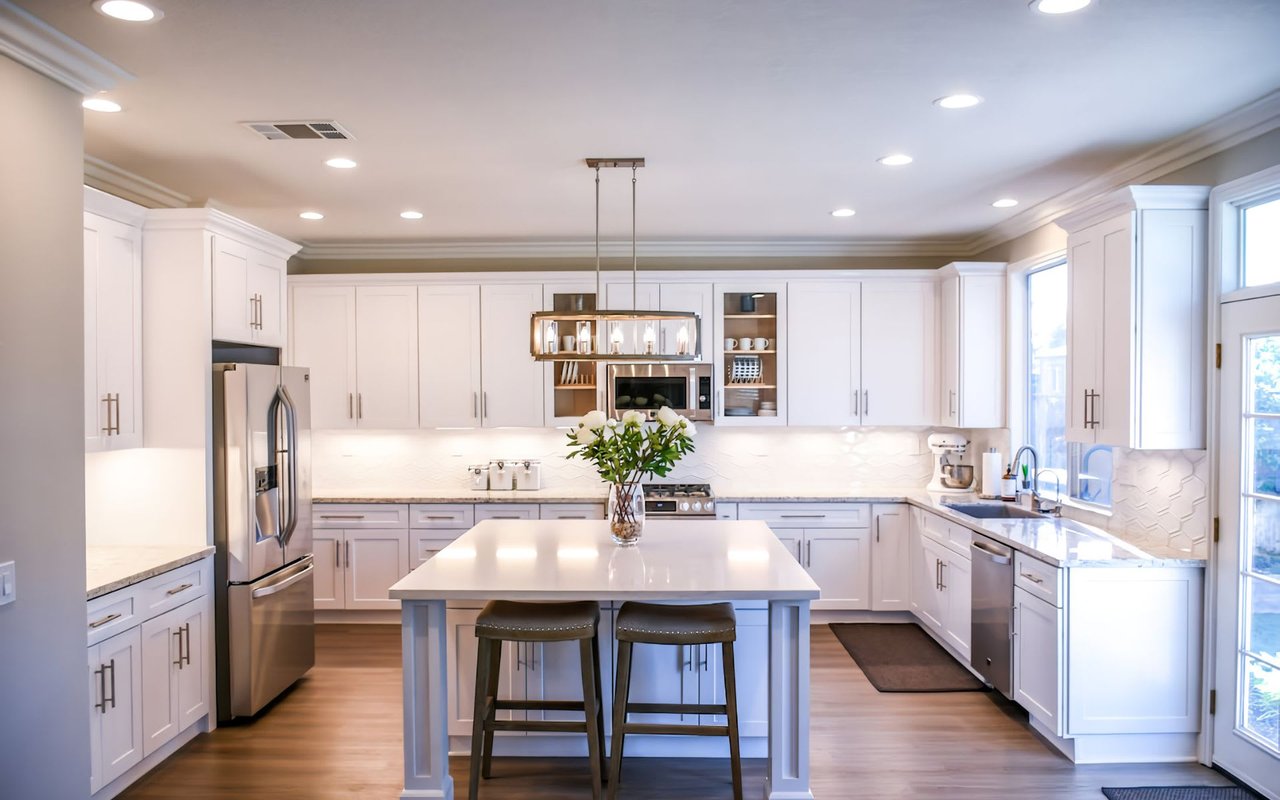
Ambient lighting forms the foundation of your lighting design. It provides general illumination that allows you to comfortably move throughout a room. In many New Canaan homes, recessed lighting, elegant chandeliers, or ceiling fixtures distribute light evenly across living areas.
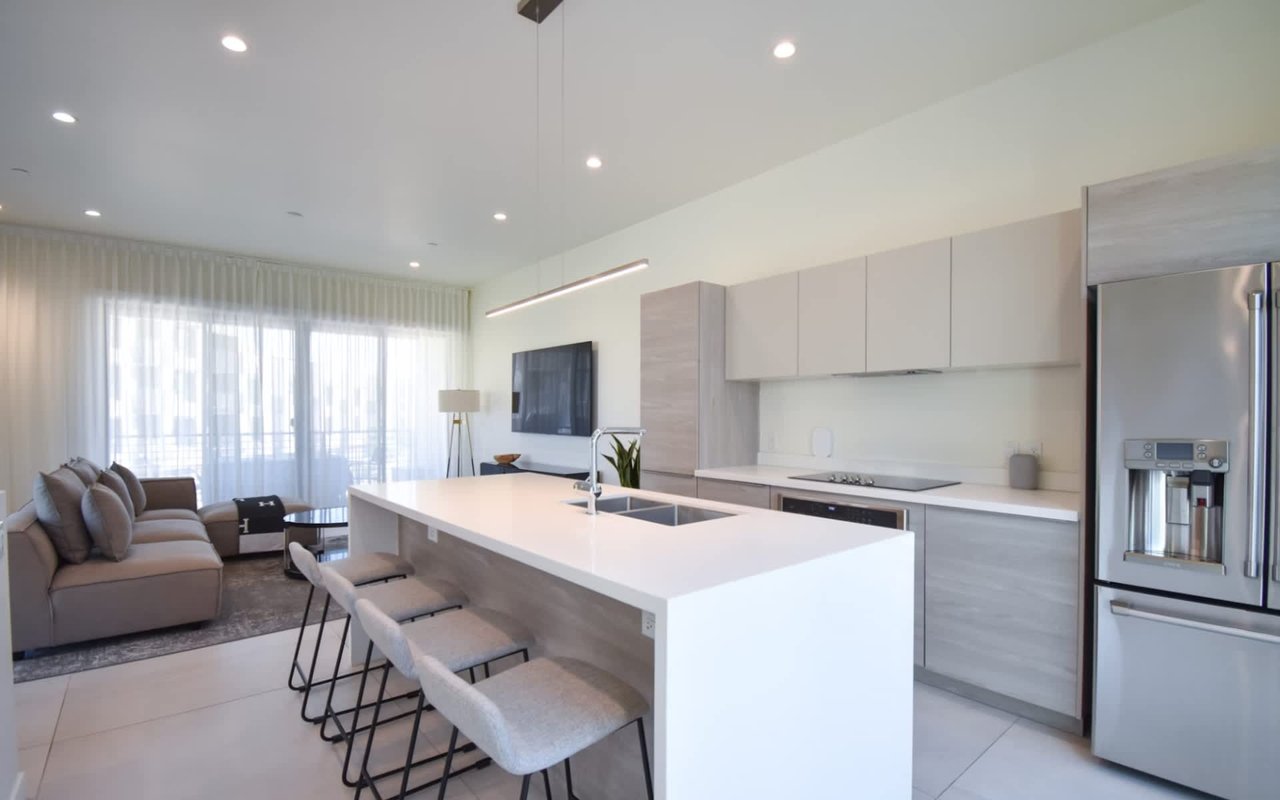
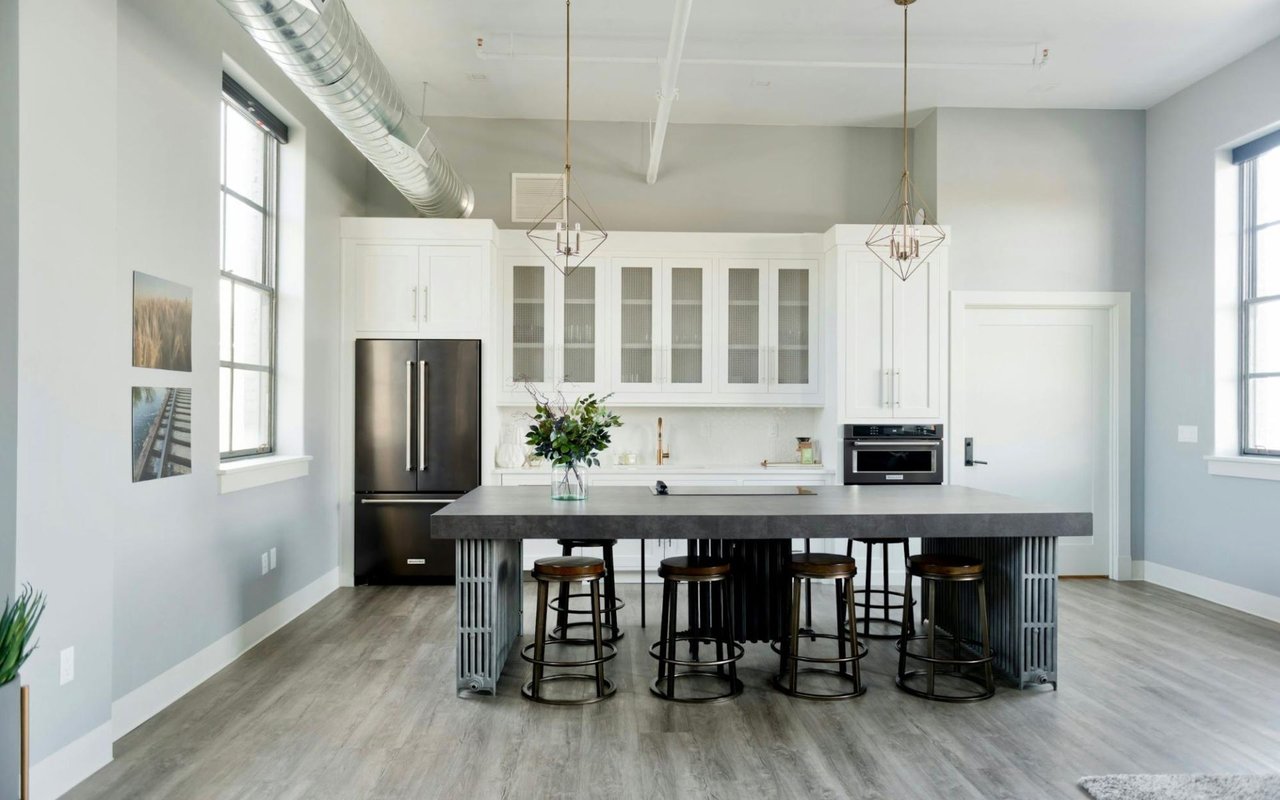
Task lighting adds precision. These lights focus on specific activities, such as reading, cooking, or working. You will often see pendant lighting above kitchen islands, reading lamps beside seating areas, or under-cabinet lights that brighten countertops.
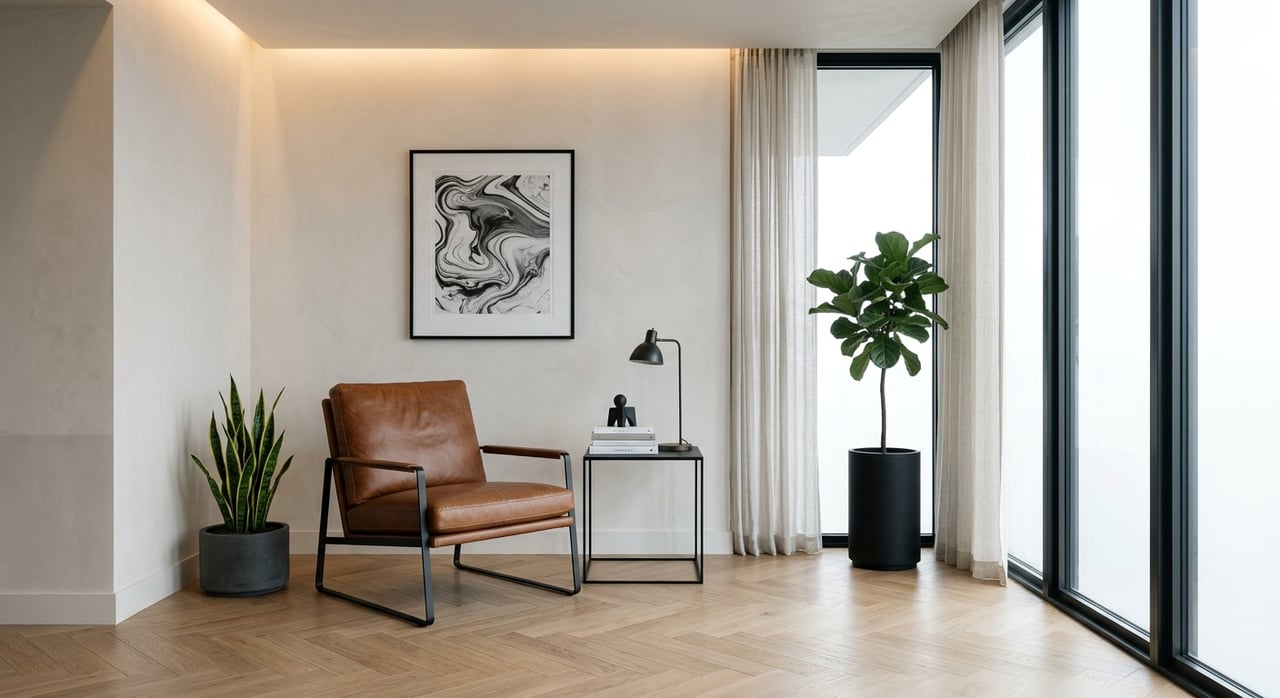
Accent lighting introduces dimension and drama. It draws attention to artwork, built-in shelving, fireplaces, or architectural details. Without accent lighting, these elements can fade into the background. When layered properly, accent lighting transforms a room from simple to visually striking.
Ambient lighting forms the foundation of your lighting design. It provides general illumination that allows you to comfortably move throughout a room. In many New Canaan homes, recessed lighting, elegant chandeliers, or ceiling fixtures distribute light evenly across living areas.
Task lighting adds precision. These lights focus on specific activities, such as reading, cooking, or working. You will often see pendant lighting above kitchen islands, reading lamps beside seating areas, or under-cabinet lights that brighten countertops.
Accent lighting introduces dimension and drama. It draws attention to artwork, built-in shelving, fireplaces, or architectural details. Without accent lighting, these elements can fade into the background. When layered properly, accent lighting transforms a room from simple to visually striking.
Key Elements Of Layered Lighting
- Ambient lighting provides overall brightness throughout a space.
- Task lighting focuses illumination for activities like reading or cooking.
- Accent lighting showcases artwork, textures, and architectural features.
- Layered lighting creates visual depth and improves functionality.
- Combining these lighting types helps rooms feel more polished and intentional.
Choosing The Right Fixtures For Each Space
Lighting fixtures influence both the functionality and personality of a room. The right fixture can serve as a centerpiece while also delivering the illumination that a space needs.
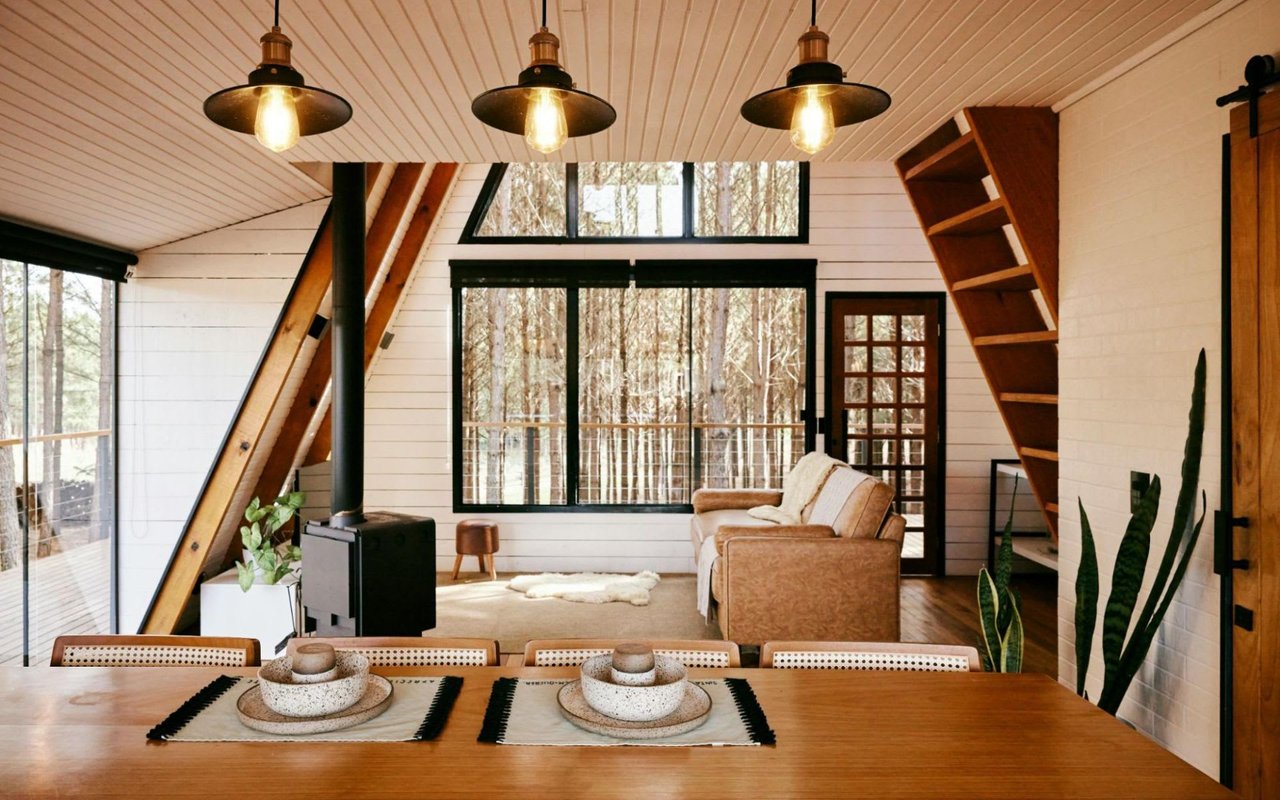
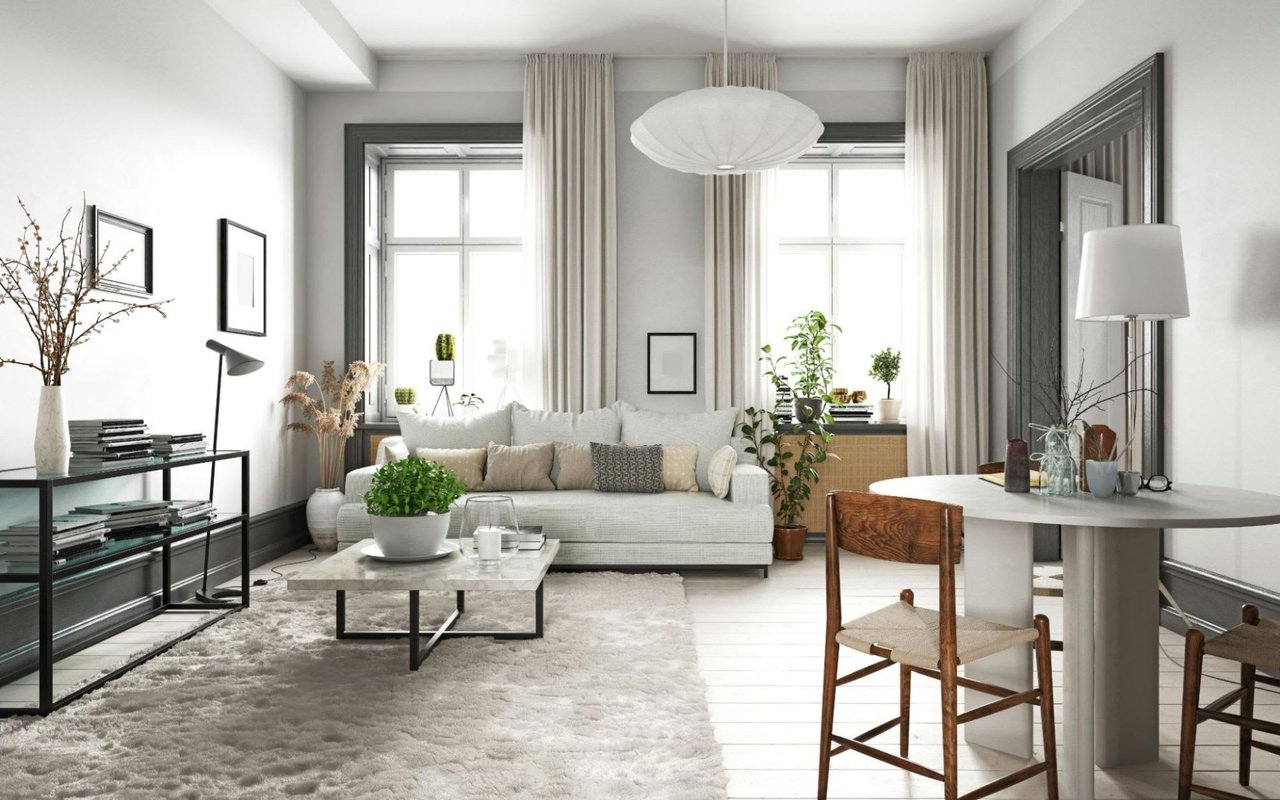
In living rooms or dining areas, statement chandeliers immediately capture attention. Many New Canaan homes feature high ceilings, which make larger fixtures particularly effective. A thoughtfully chosen chandelier draws the eye upward and anchors the room’s design.
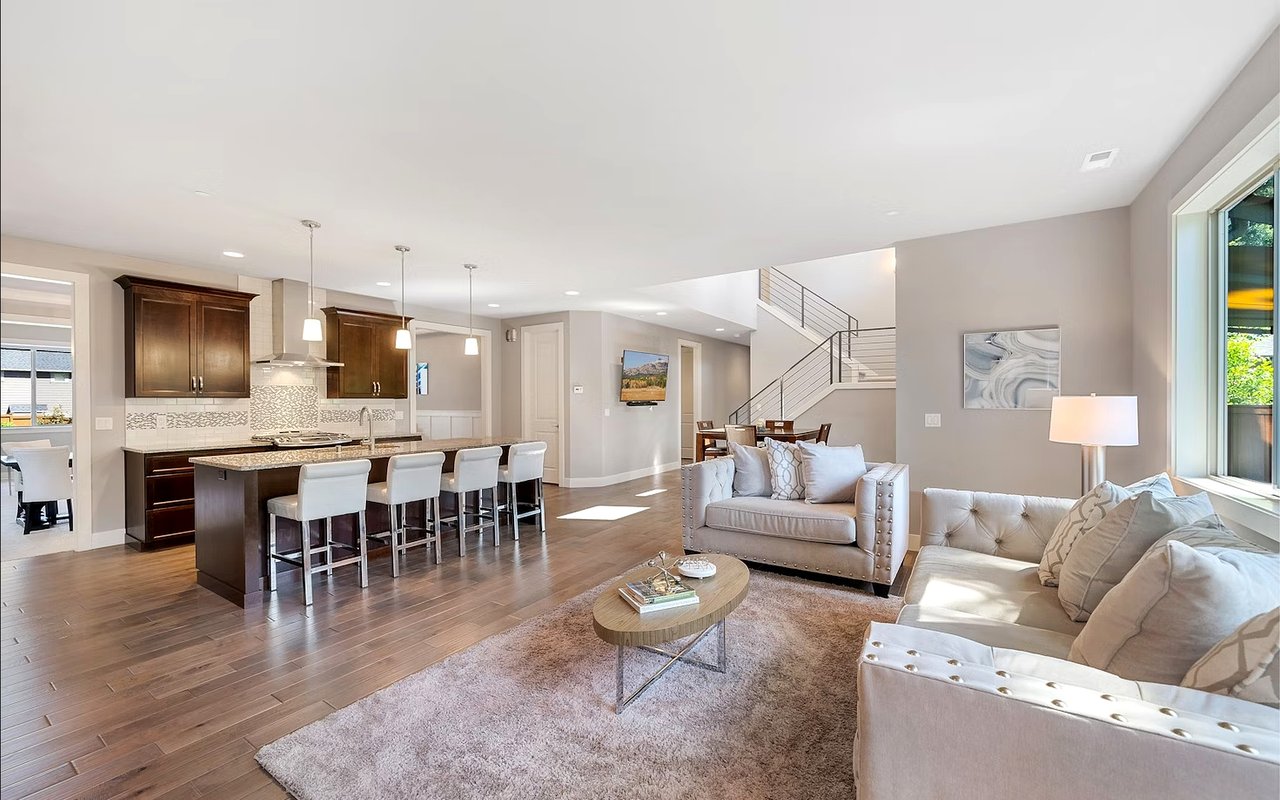
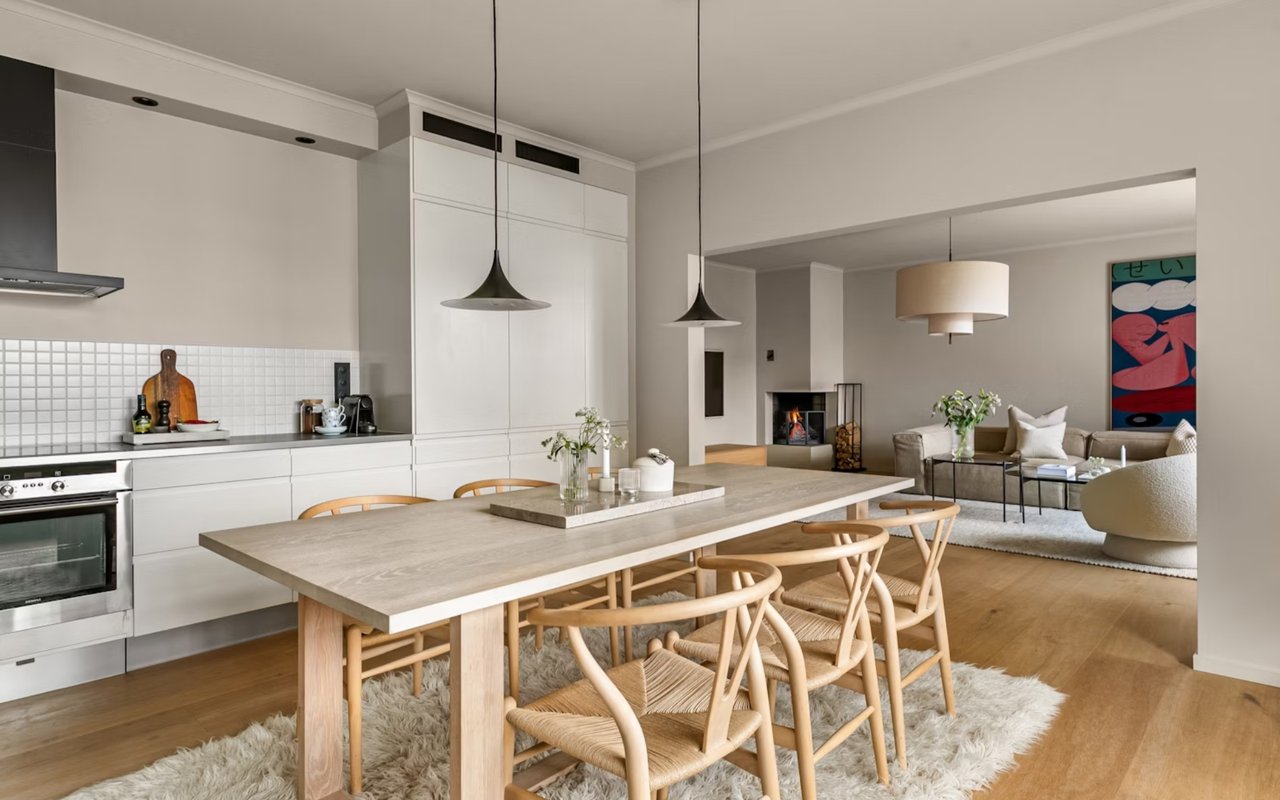
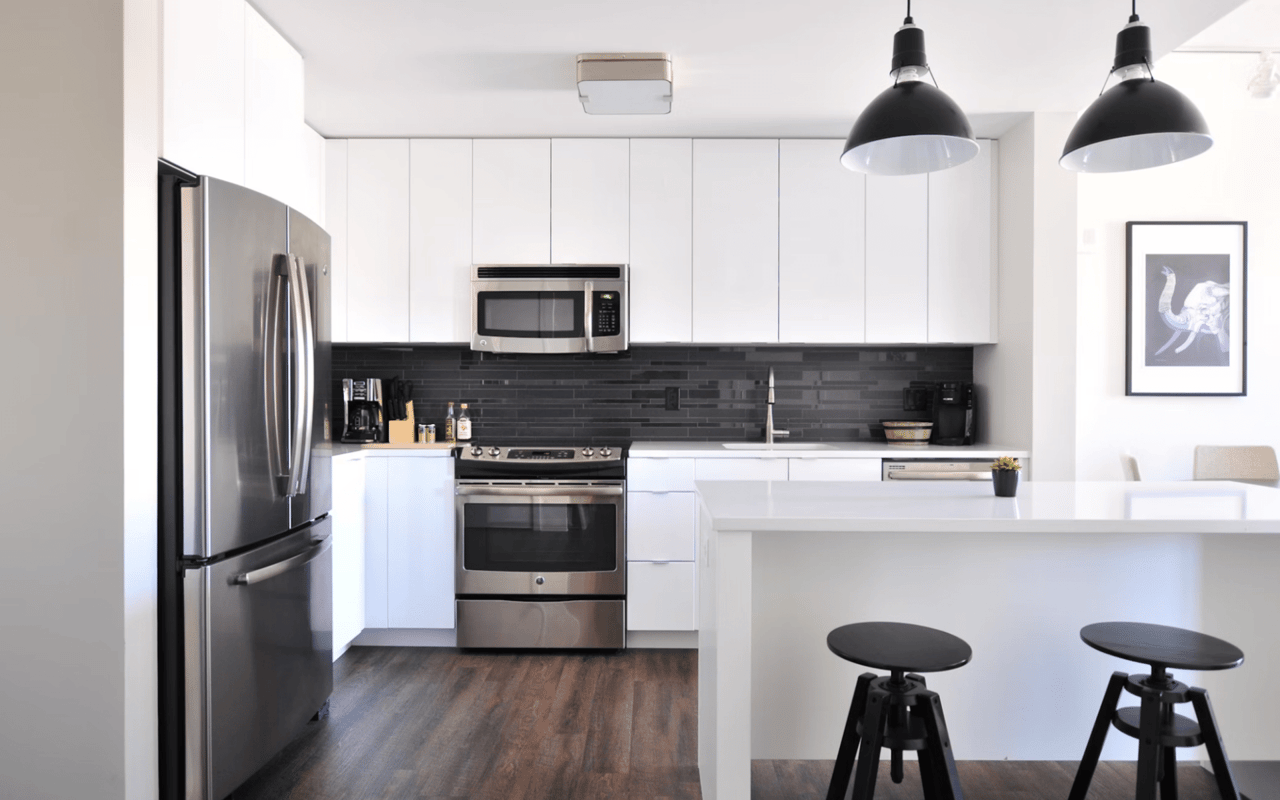
Kitchens benefit from pendant lighting above islands or breakfast bars. These fixtures provide focused illumination for meal preparation while contributing to the room’s style. The shape, material, and finish of pendant lights can reinforce either a modern or classic aesthetic.
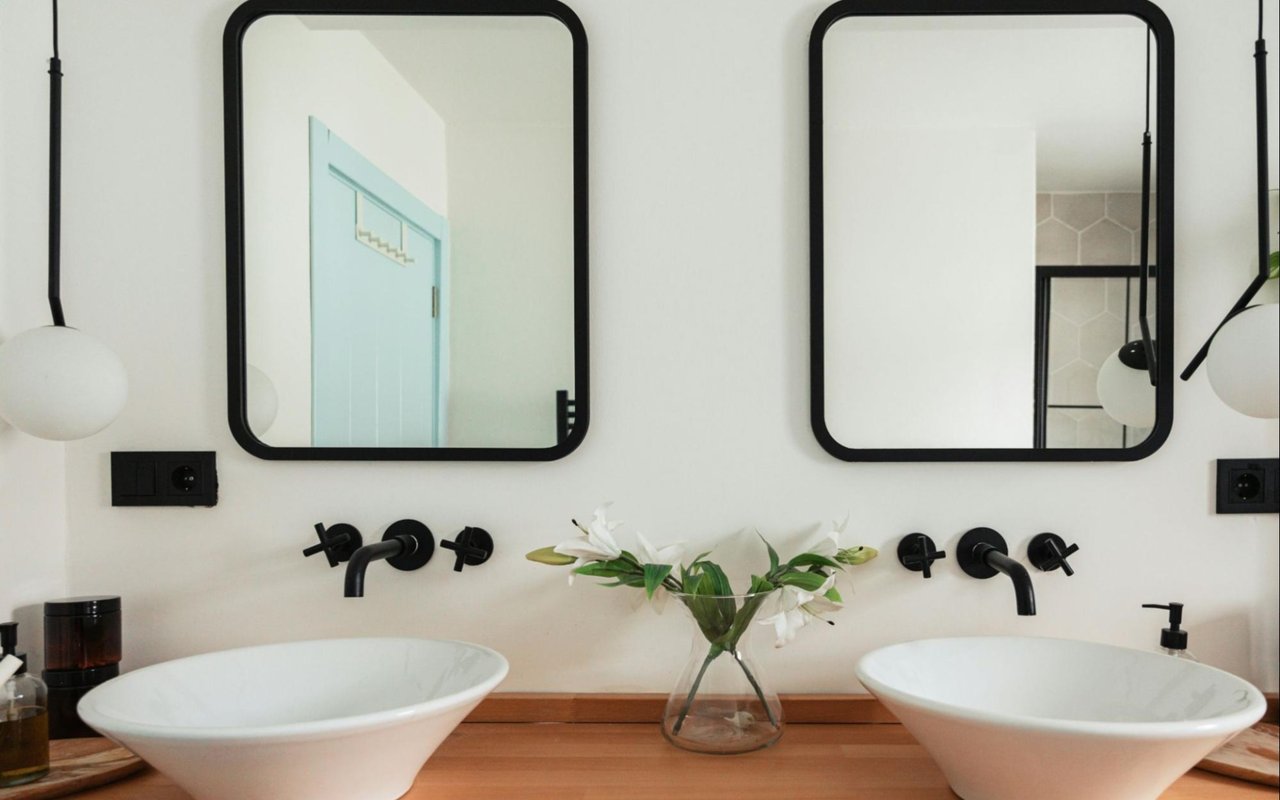
Bedrooms and bathrooms often call for softer, more flexible lighting. Wall sconces, bedside lamps, and dimmable overhead lights allow you to adjust brightness depending on the time of day. This layered approach helps create a calm and balanced atmosphere.
Scale remains essential when selecting fixtures. A piece that is too large can overwhelm the room, while something too small may feel visually lost. The goal is to choose lighting that complements the room’s proportions and architectural style.
In living rooms or dining areas, statement chandeliers immediately capture attention. Many New Canaan homes feature high ceilings, which make larger fixtures particularly effective. A thoughtfully chosen chandelier draws the eye upward and anchors the room’s design.
Kitchens benefit from pendant lighting above islands or breakfast bars. These fixtures provide focused illumination for meal preparation while contributing to the room’s style. The shape, material, and finish of pendant lights can reinforce either a modern or classic aesthetic.
Bedrooms and bathrooms often call for softer, more flexible lighting. Wall sconces, bedside lamps, and dimmable overhead lights allow you to adjust brightness depending on the time of day. This layered approach helps create a calm and balanced atmosphere.
Scale remains essential when selecting fixtures. A piece that is too large can overwhelm the room, while something too small may feel visually lost. The goal is to choose lighting that complements the room’s proportions and architectural style.
Fixture Ideas That Elevate Your Space
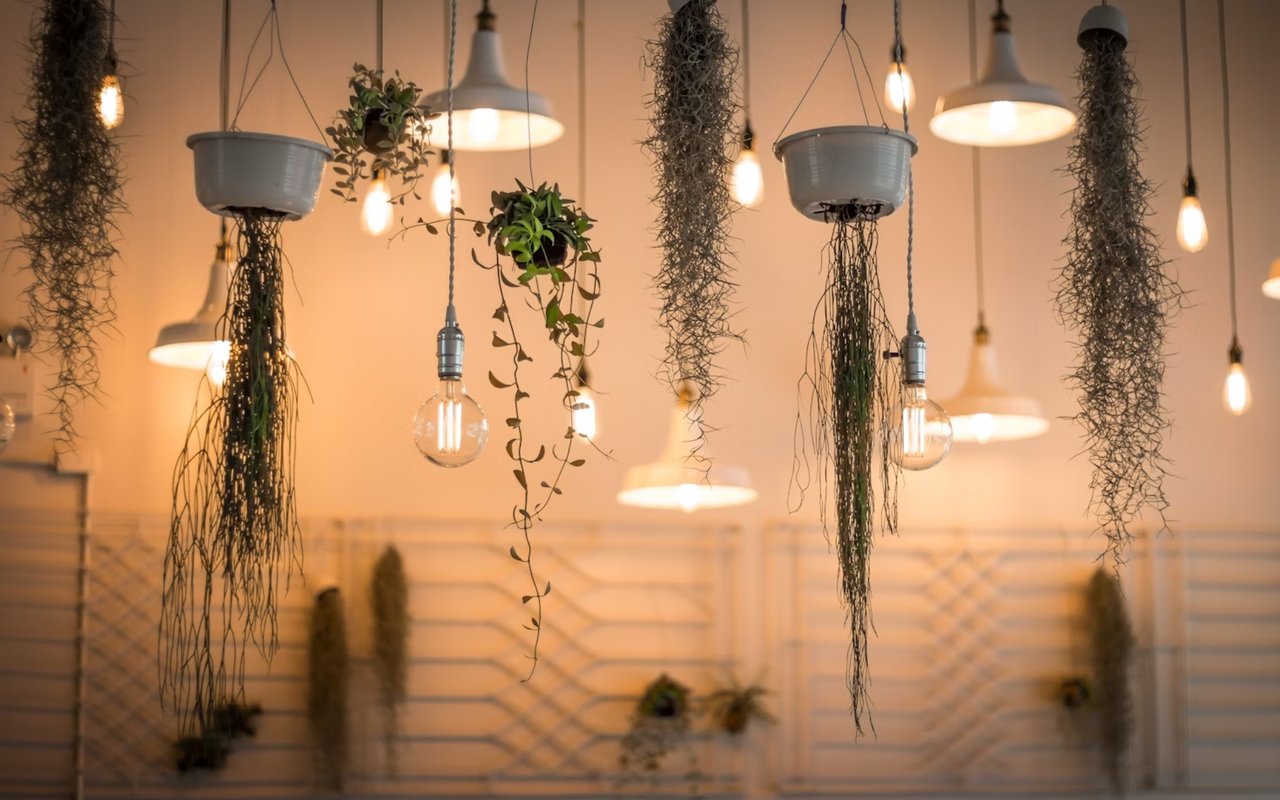
- Chandeliers create a dramatic focal point in living rooms and dining areas.
- Pendant lights provide style and targeted lighting above kitchen islands.
- Wall sconces introduce soft lighting in bedrooms, hallways, and bathrooms.
- Recessed lighting offers a clean and modern ceiling profile.
- Floor and table lamps add warmth and flexibility.
Using Lighting To Emphasize Architectural Features
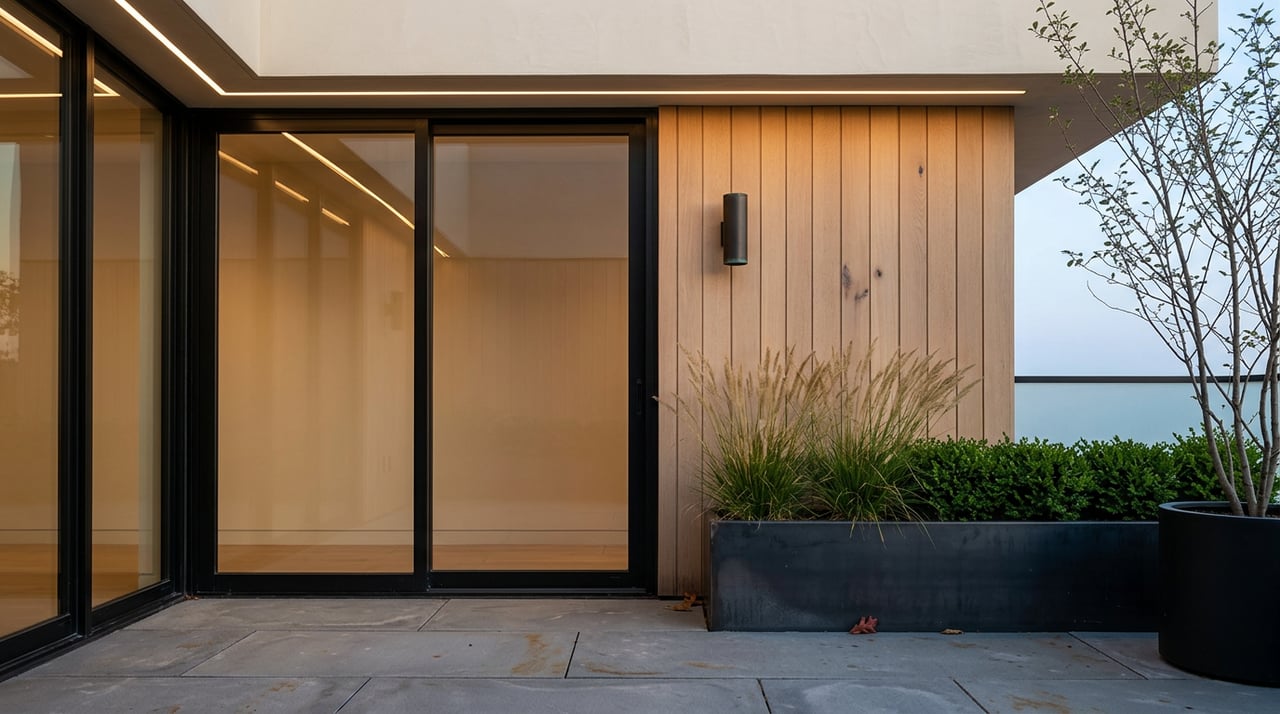
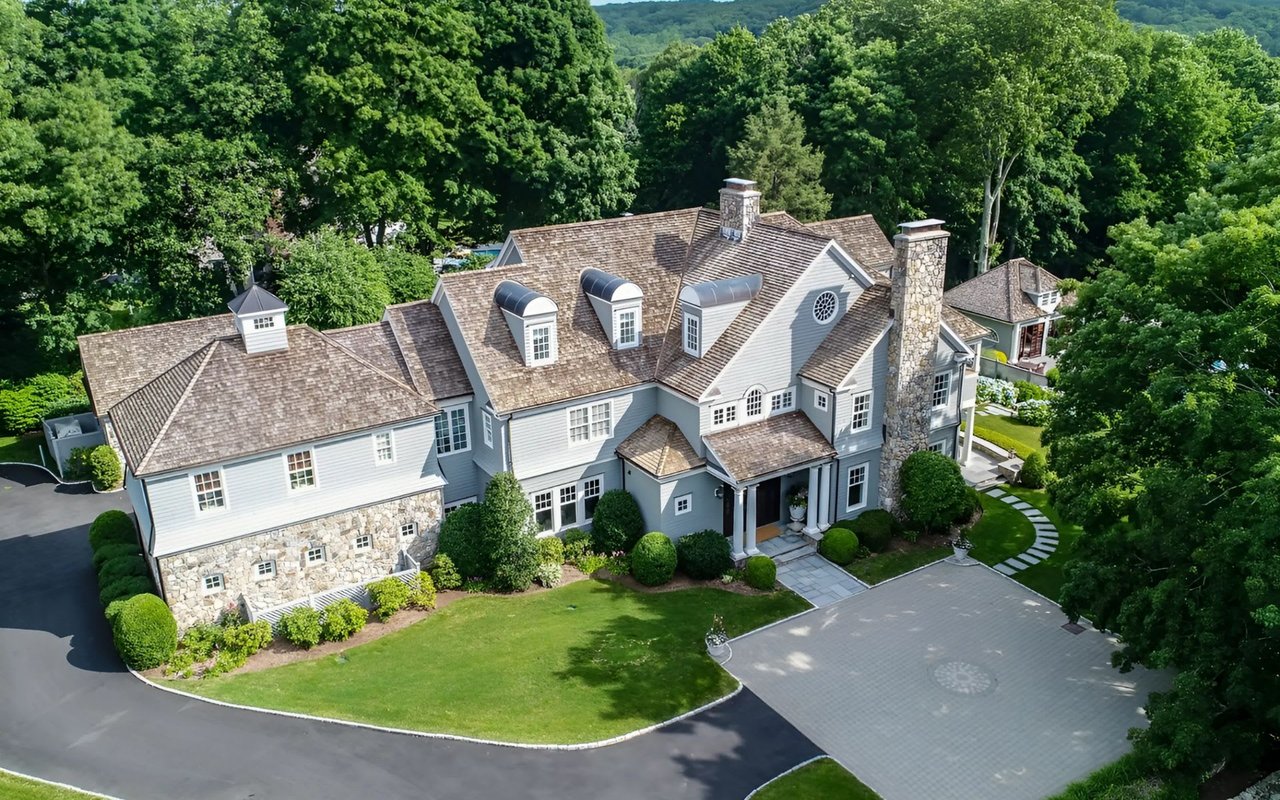
Lighting can draw attention to the architectural details that make your home distinctive. Many properties in New Canaan feature alluring elements like vaulted ceilings, exposed beams, custom millwork, and expansive windows. Strategic lighting helps accentuate these features.
Wall washing is one technique designers often use to show off textured surfaces. By placing lights so that they cast even illumination across a wall, you highlight subtle textures, such as stone fireplaces or decorative paneling.
Uplighting is another compelling approach. When light is directed upward from the floor, it visually expands the room and highlights vertical space. This technique works especially well in rooms with high ceilings or dramatic architectural angles.
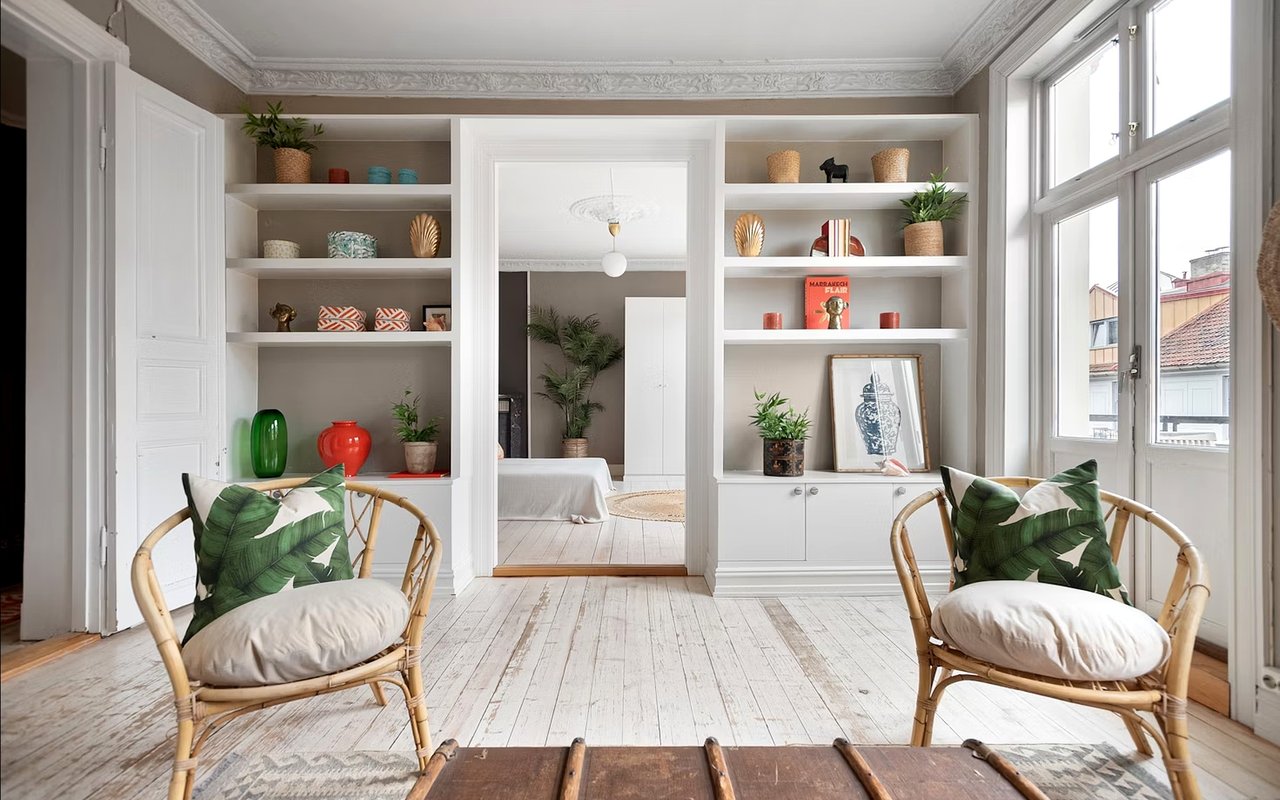
Built-in shelving and display cabinets also benefit from subtle lighting. Small LED strips or puck lights illuminate objects while creating depth and visual interest.
Wall washing is one technique designers often use to show off textured surfaces. By placing lights so that they cast even illumination across a wall, you highlight subtle textures, such as stone fireplaces or decorative paneling.
Uplighting is another compelling approach. When light is directed upward from the floor, it visually expands the room and highlights vertical space. This technique works especially well in rooms with high ceilings or dramatic architectural angles.
Built-in shelving and display cabinets also benefit from subtle lighting. Small LED strips or puck lights illuminate objects while creating depth and visual interest.
How To Showcase Architectural Details
- Wall washing emphasizes textured surfaces and feature walls.
- Uplighting draws attention to the ceiling height and vertical lines.
- LED strips inside shelving create subtle, elegant illumination.
- Directional spotlights focus on artwork or sculptures.
- Accent lighting enhances fireplaces and statement walls.
FAQs
How Many Types Of Lighting Should A Room Have?
Most well-designed rooms incorporate three layers of lighting: ambient, task, and accent. Combining these lighting types ensures the room feels both functional and visually balanced.
Are Recessed Lights Better Than Lamps?
Recessed lighting provides clean overhead illumination, while lamps add warmth and flexibility. Most well-designed spaces include both to create layered lighting.
How Can Lighting Make A Room Look Larger?
Lighting techniques, such as uplighting, wall washing, and evenly distributed ceiling lights, help reduce shadows and highlight vertical space, making rooms appear more open and inviting.
Elevate Your Home With Thoughtful Lighting
Lighting is one of the most powerful tools you can use to elevate your living space. With the right combination of fixtures, thoughtful placement, and layered lighting, your home can feel more sophisticated, refined, and visually striking.
If you are considering buying or selling a beautiful home in New Canaan, having the right guidance can make all the difference. Working with a knowledgeable real estate professional helps you identify homes with exceptional design potential and showcase your property at its best. Work with me, Fatou Niang, for expert real estate guidance in New Canaan and the surrounding Connecticut communities.
If you are considering buying or selling a beautiful home in New Canaan, having the right guidance can make all the difference. Working with a knowledgeable real estate professional helps you identify homes with exceptional design potential and showcase your property at its best. Work with me, Fatou Niang, for expert real estate guidance in New Canaan and the surrounding Connecticut communities.