Tips for Hiring a Remodeling Contractor in Fairfield County CT
Hiring a remodeling contractor in Fairfield County, CT requires verifying Connecticut Department of Consumer Protection (DCP) registration, securing proof of liability and workers' compensation insurance, establishing a 10% to 20% budget contingency, and executing an itemized contract. In luxury markets across New Canaan, Westport, Darien, and Greenwich, obtaining at least three detailed written estimates ensures quality craftsmanship and protects home resale value.
Evaluation Step | Key Action Item | Impact on Project Success |
|---|
1. Vision & Budgeting | Define explicit scope and reserve a 10% to 20% emergency contingency fund. | Prevents cost overruns from unexpected structural or mechanical surprises. |
2. Credentials Check | Confirm active CT DCP Home Improvement Contractor registration & coverage. | Ensures legal compliance, municipal code adherence, and homeowner liability protection. |
3. Estimates & Interviews | Interview 3+ local contractors; request itemized labor, material, & permit bids. | Establishes fair market valuation and reveals potential hidden costs or vague bids. |
4. Written Contract | Specify payment milestones, completion dates, change order terms, and warranties. | Protects financial investment and establishes legally binding accountability. |
Planning a Renovation in New Canaan or Westport?
Discover which home improvements yield the highest return on investment, connect with vetted Fairfield County contractors, and evaluate neighborhood market trends with Fatou Niang.
Quick-Take Summary and Contractor Selection Overview
Hiring a remodeling contractor is one of the most consequential decisions you will make when upgrading your property. The right professional transforms architectural vision into reality with precision, efficiency, and exceptional craftsmanship, while the wrong choice can lead to costly delays and unnecessary stress.
Whether renovating a primary bathroom in New Canaan or executing a full-scale estate expansion in Westport, success relies on systematic planning and thorough candidate evaluation. Learn more about successful home renovation strategies with Fatou Niang.
Contractor Evaluation & Verification Checklist Matrix
In high-value markets across Fairfield County, selecting a licensed and insured contractor safeguards equity and ensures long-term property marketability.
Pre-Hiring Preparation and Credential Verification
Establishing Project Vision and Budget Contingencies
Before soliciting contractor proposals, define clear design priorities and project boundaries. Gathering architectural inspiration from digital galleries helps articulate exact scope expectations, allowing builders to formulate accurate material and labor estimates.
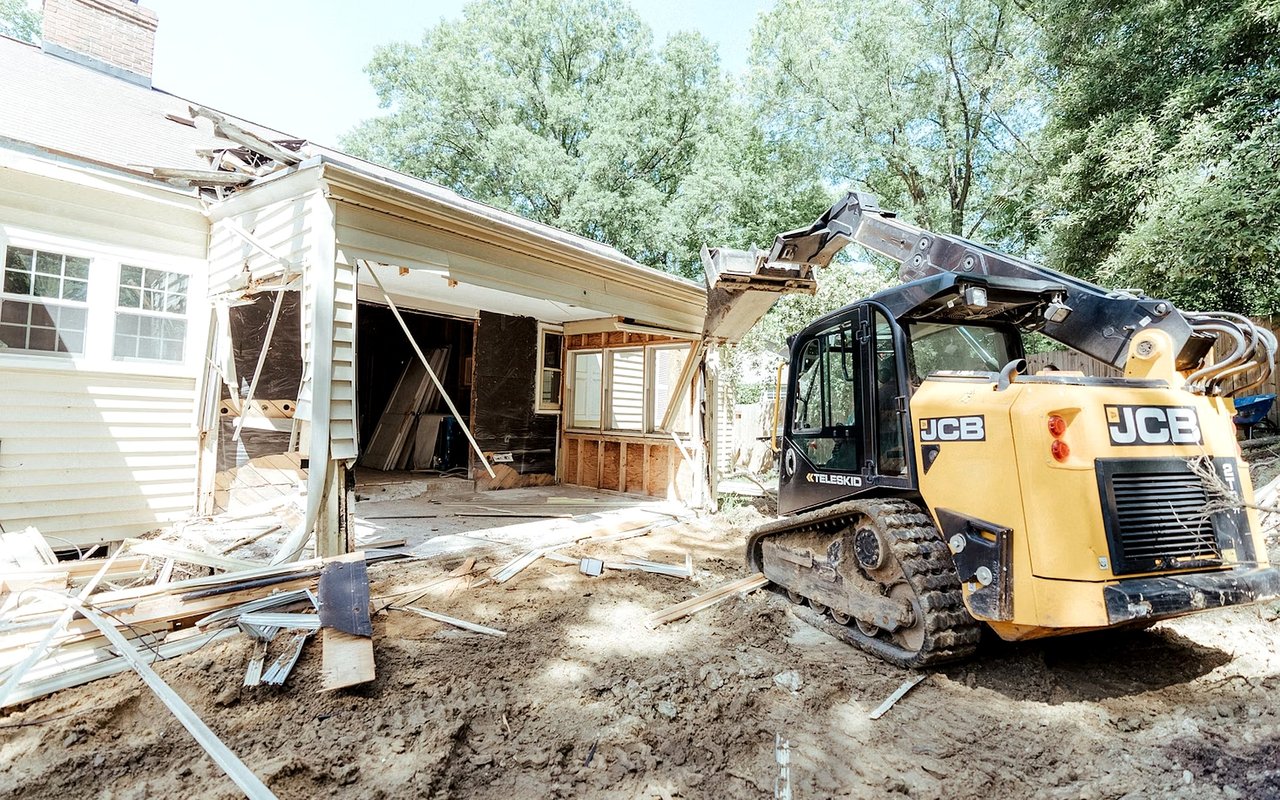
Establish your overall budget early and reserve a mandatory contingency fund of 10% to 20% for unforeseen structural, electrical, or plumbing adjustments. Surprises such as outdated wiring or hidden water damage frequently arise once demolition begins, making financial buffers essential.
Verifying Connecticut DCP Contractor Registration and Insurance
A reputable contractor must hold valid state registrations and comprehensive insurance. In Connecticut, residential remodeling contractors must be actively registered with the Department of Consumer Protection (DCP) as Home Improvement Contractors (HIC).
Always request written proof of state registration, general liability insurance, and workers' compensation coverage. Licensing confirms compliance with Connecticut building codes, while insurance shields homeowners from personal liability in the event of property damage or job-site injury.
Reviewing Portfolios and Interviewing Multiple Candidates
A contractor's portfolio demonstrates craftsmanship quality and stylistic versatility. Request photographic documentation of completed projects similar in scale and aesthetic to your proposed remodel.
Interview at least three qualified candidates to evaluate communication style, business history, and supervisory structure. Inquire about on-site project management, subcontractor oversight, and typical resolution protocols for unexpected obstacles.
Contracts, Estimates, and Construction Execution
Itemized Written Proposals and Scope Transparency
Following initial site consultations, obtain detailed written bids from each candidate. Comprehensive proposals must itemize labor rates, building material specifications, municipal permit fees, estimated completion schedules, and warranty coverage.
Exercise caution regarding unrealistically low bids, as drastic undercutting often indicates substandard materials or unstated change-order charges later. Focus on overall transparency and value rather than raw price competition.
Essential Contractual Protections and Change Order Terms
Before work commences, execute a comprehensive written contract detailing project start and completion dates, milestone payment structures, material descriptions, site cleanup responsibilities, and formal change-order procedures.
Never rely on verbal agreements. A legally binding written agreement protects both parties, establishes milestone accountability, and ensures complete clarity regarding expectations.
Active On-Site Communication and Red Flag Warning Signs
Maintain open, professional dialogue throughout construction without micromanaging daily labor. Schedule regular walkthroughs to review progress and maintain organized digital records of all contracts, change orders, and material invoices.
Be alert to critical red flags, including requests for excessive upfront cash deposits, reluctance to provide written estimates, lack of verifiable local references, or vague answers regarding municipal building permits.
Why Working with a Fairfield County Real Estate Expert Matters
Whether remodeling to personalize your primary residence or preparing an estate for sale, understanding local buyer preferences and high-ROI upgrades protects your equity. Fatou Niang provides homeowners across New Canaan, Westport, Darien, and Greenwich with strategic guidance and trusted contractor connections.
For more local market resources, explore our Westport Neighborhood Directory, read our Seasonal Home Maintenance Checklist, or check our Real Estate Negotiation Guide.
Source Notes: Contractor licensing regulations, consumer protection standards, and home renovation ROI statistics verified via Connecticut Department of Consumer Protection (DCP), National Association of REALTORS® (NAR) Remodeling Impact Reports, and SmartMLS transaction indexes as of August 2026.
Related Reading and Fairfield County Real Estate Guides
About Fatou Niang | William Pitt Sotheby's International Realty
Fatou Niang is a premier Fairfield County real estate professional with William Pitt Sotheby's International Realty, representing buyers and sellers across New Canaan, Westport, Darien, Rowayton, and Greenwich. Combining extensive luxury market expertise, staging advisory, and deep local professional networks, Fatou consistently delivers exceptional real estate outcomes. Contact Fatou Niang today to discuss your real estate and remodeling goals.
Frequently Asked Questions: Hiring Remodeling Contractors
How do I verify if a remodeling contractor is licensed in Connecticut?
You can verify a contractor's Home Improvement Contractor (HIC) registration status directly through the Connecticut Department of Consumer Protection (DCP) online license lookup portal prior to signing any agreement.
What percentage contingency fund should I budget for home remodeling?
Homeowners should reserve a minimum 10% to 20% budget contingency above the estimated construction cost to cover unexpected structural, electrical, or plumbing issues that emerge during demolition.
How many contractor estimates should I get for a home renovation?
It is recommended to obtain written, itemized proposals from at least three licensed contractors to compare labor rates, material specifications, and project timelines accurately.
What are the biggest red flags when hiring a remodeling contractor?
Major red flags include demands for large upfront cash deposits, refusal to provide written contracts or itemized bids, lack of verifiable local references, and inability to show active CT DCP registration and insurance coverage.