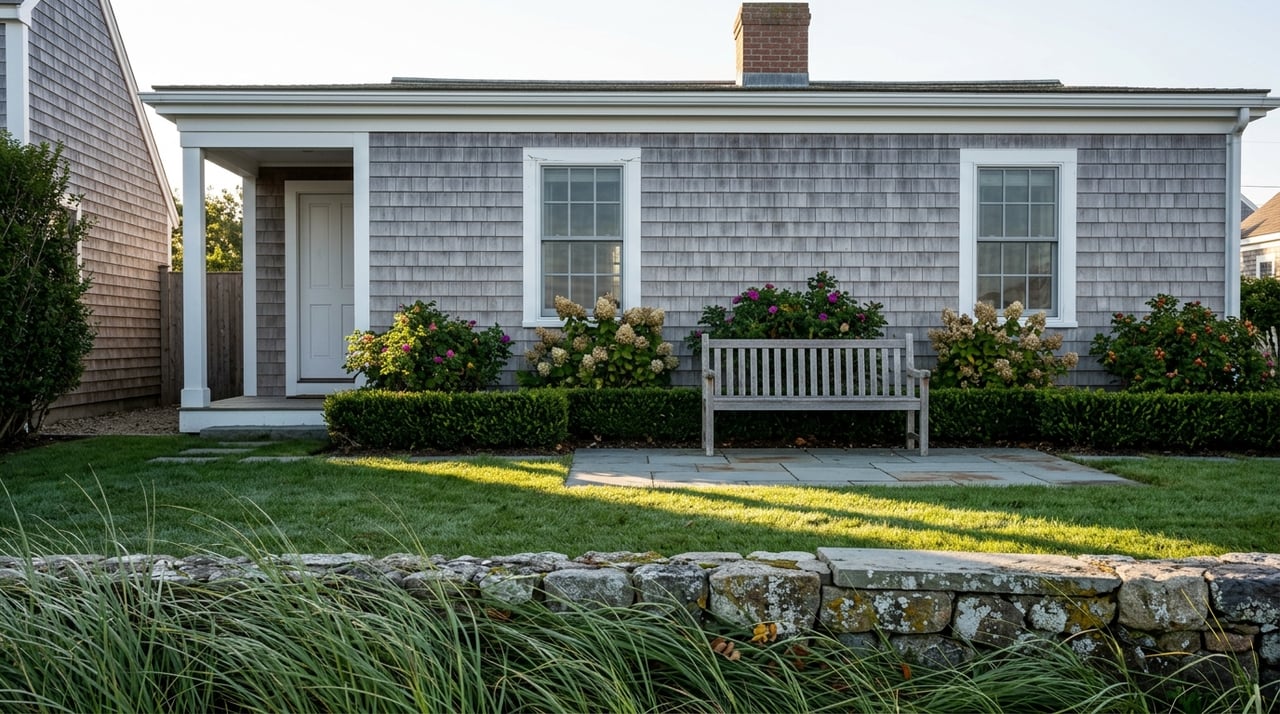
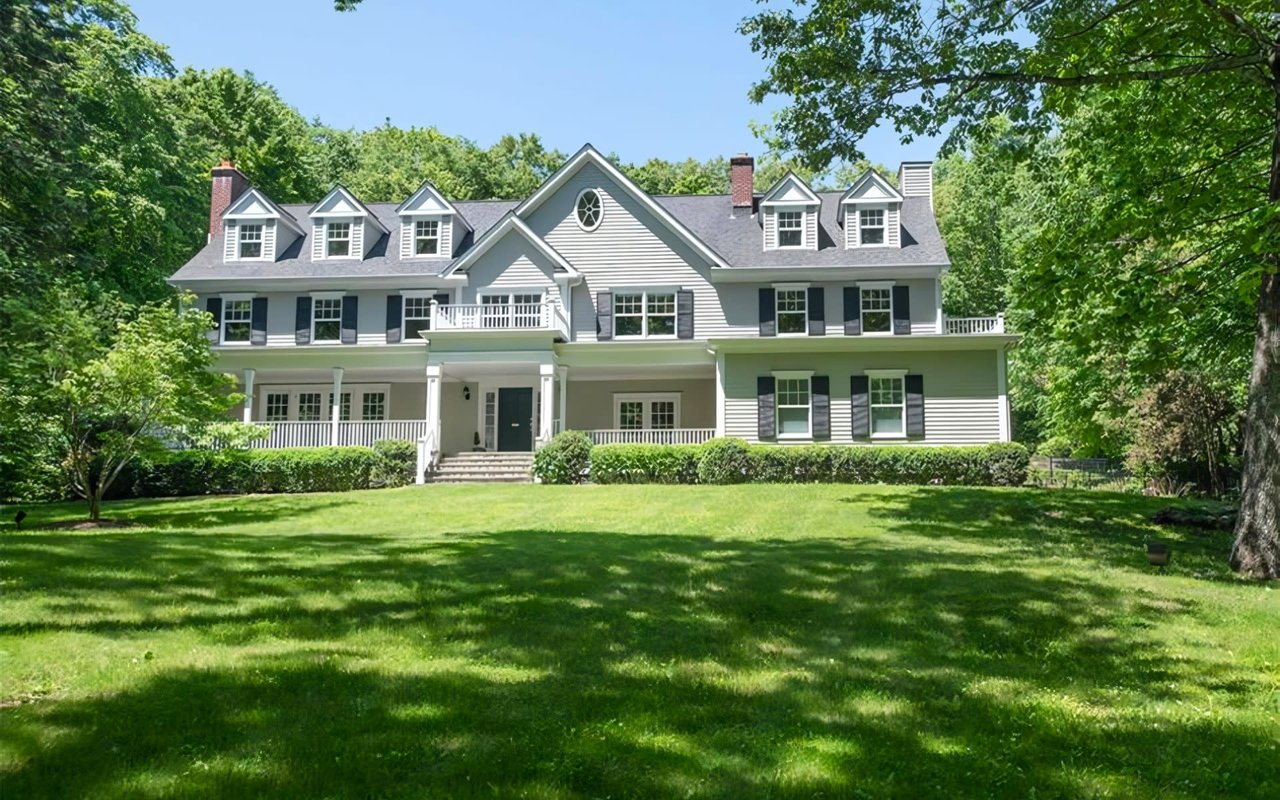
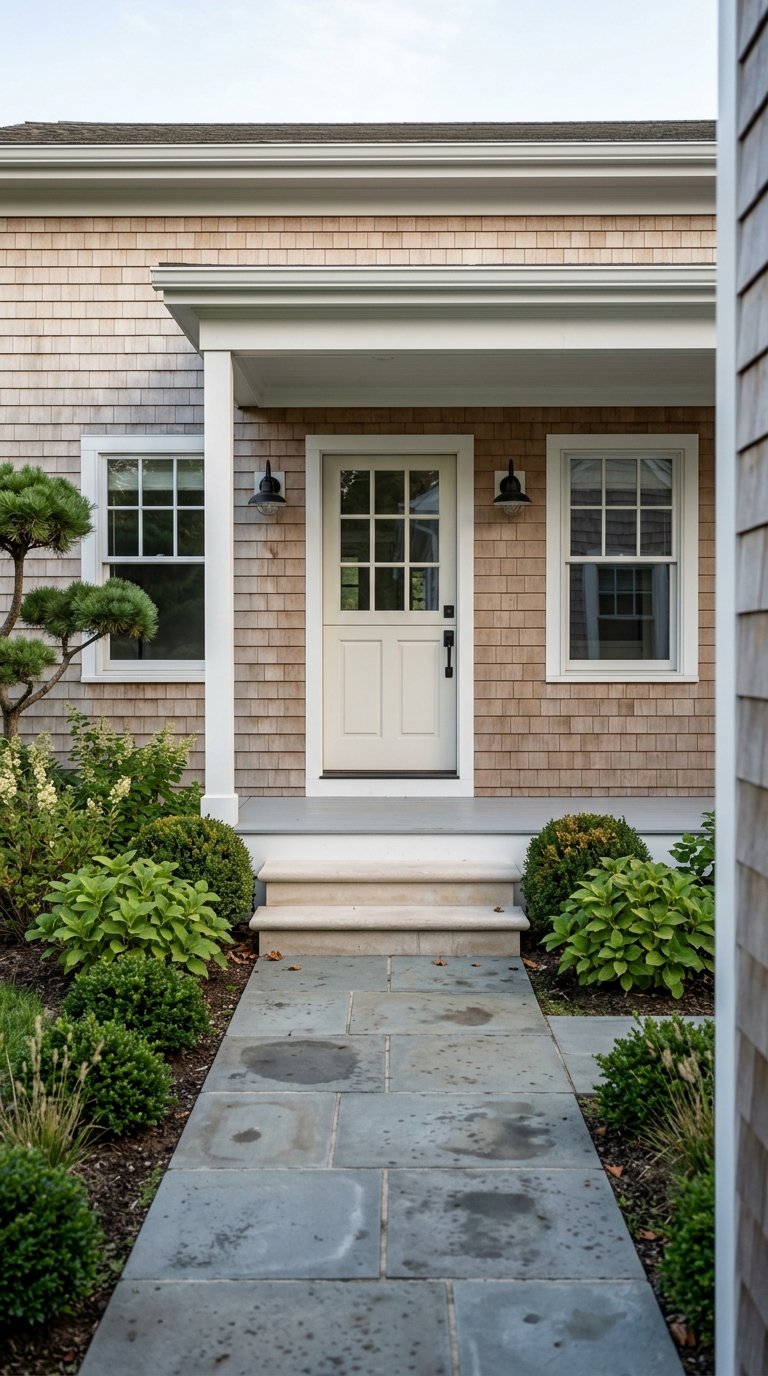
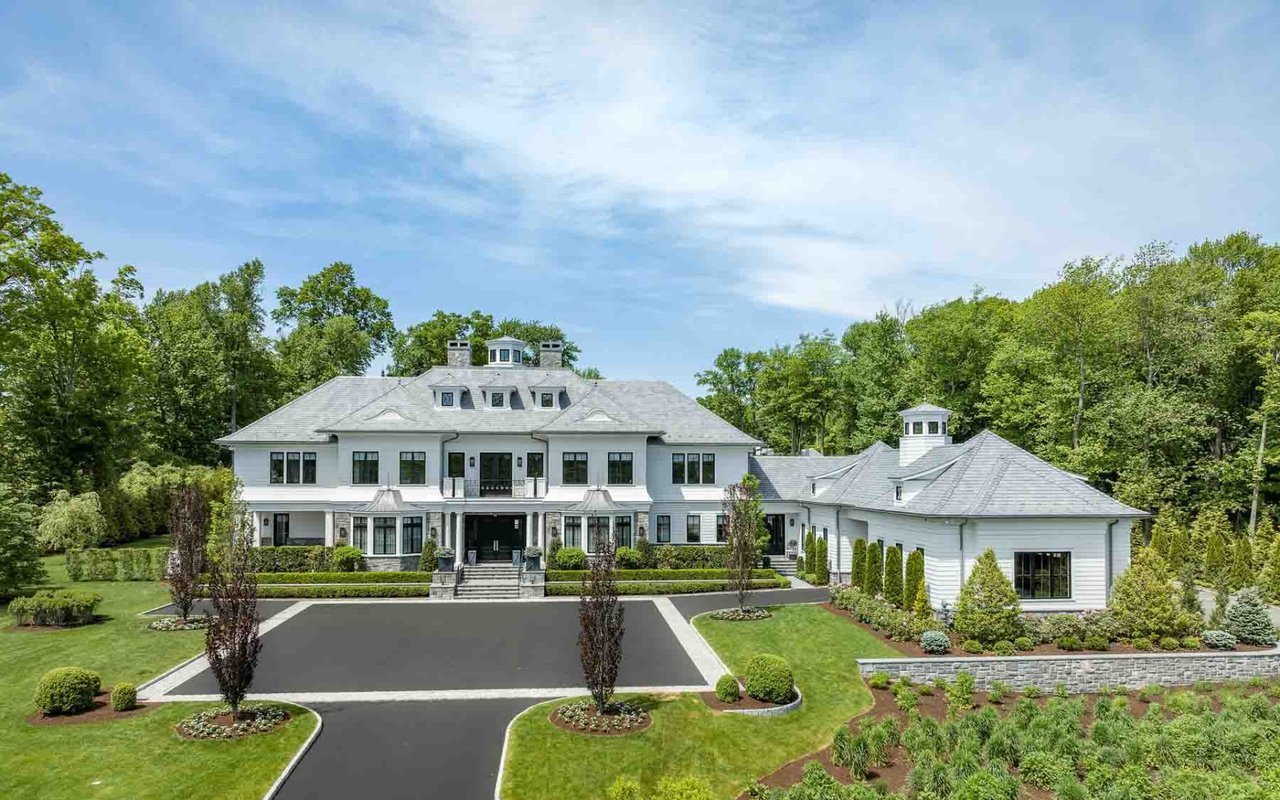
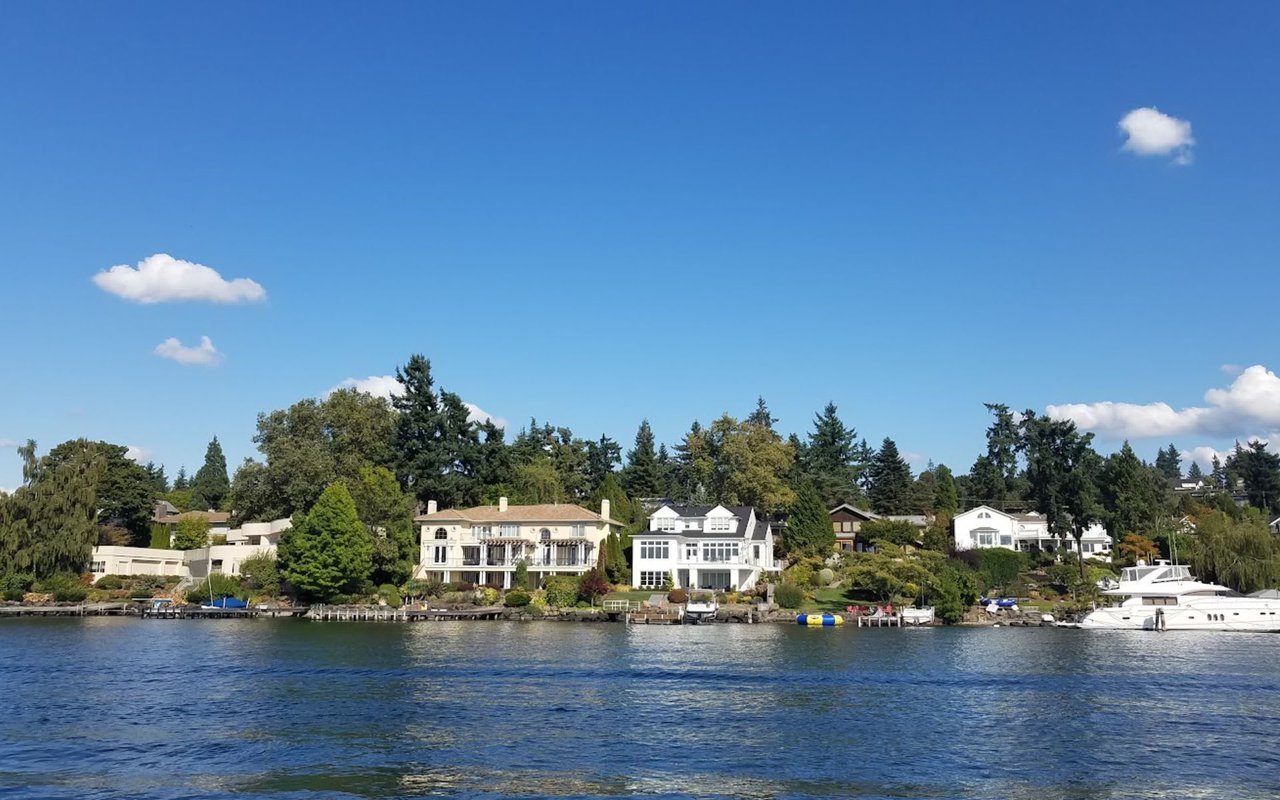
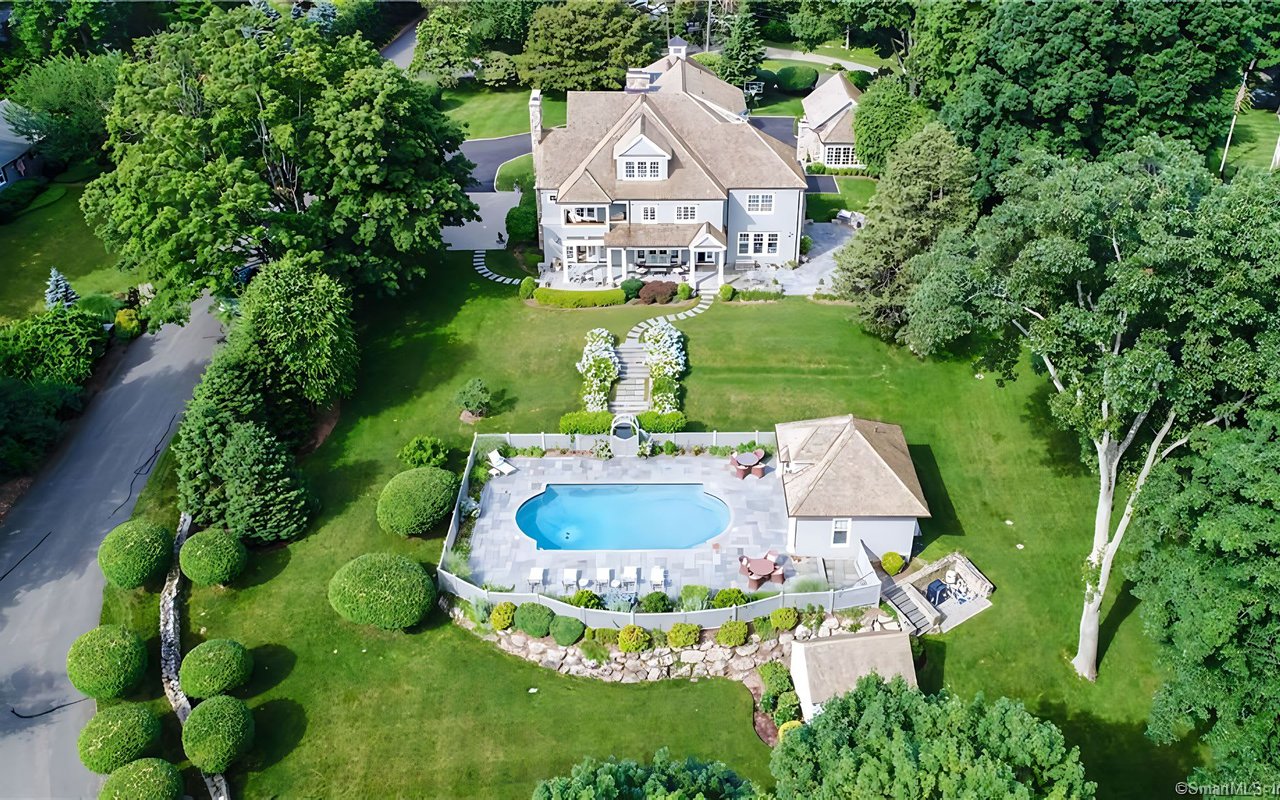
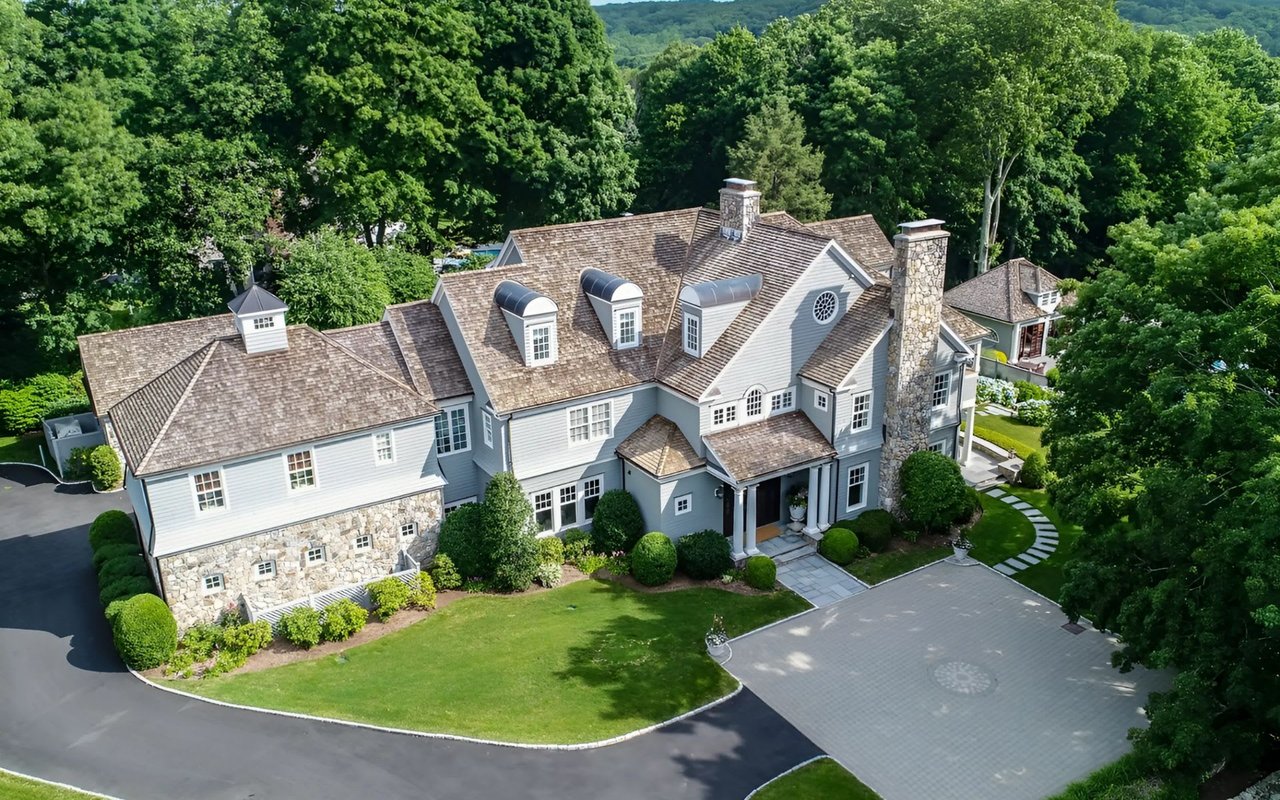
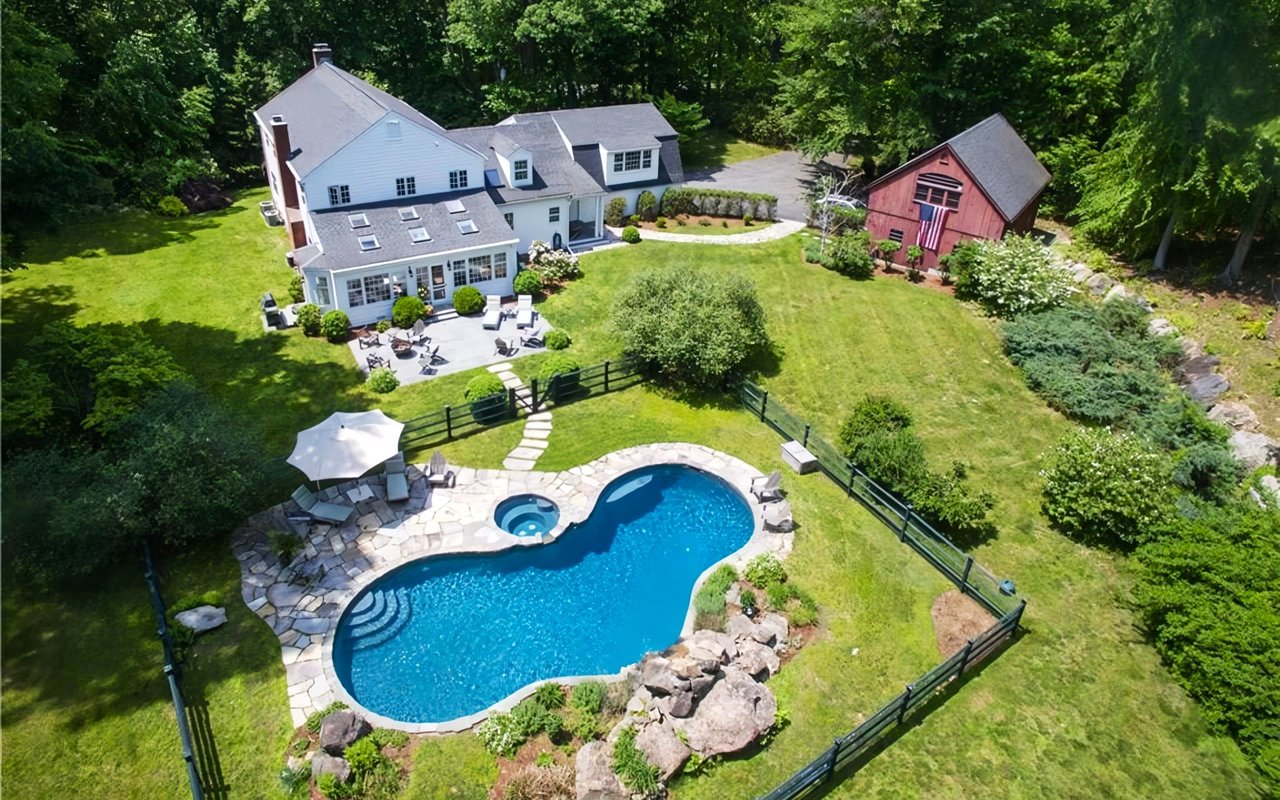
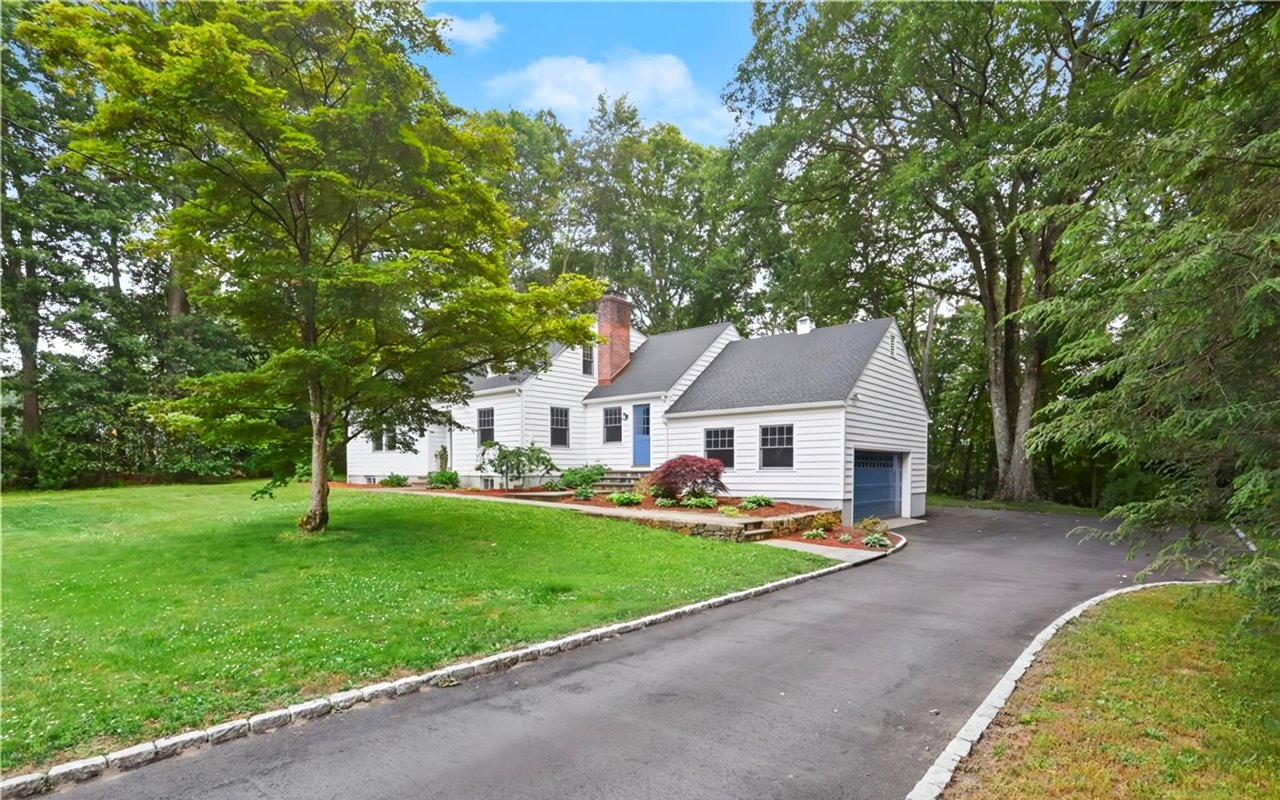
Choosing a Fairfield neighborhood can feel simple at first, until you realize how much can change from one address to the next. In this town, commute access, housing style, shoreline exposure, and even renovation rules can vary in meaningful ways. If you are trying to decide where to focus your home search, this guide will help you compare Fairfield’s key neighborhood choices with more clarity and confidence. Let’s dive in.
Start With Your Daily Priorities
Fairfield spans 31.3 square miles along Long Island Sound, and your day-to-day experience can look very different depending on where you land. The town is served by I-95, the Merritt Parkway, and Metro-North, and town materials note three rail stations. That means commute planning is highly address-specific, not something you can judge by town name alone.
For most buyers, the biggest neighborhood questions come down to a few practical issues. You will usually want to weigh station access, housing character, lot size and setting, shoreline exposure, and whether a property falls within a historic district. When you organize your search around those priorities first, the right area often becomes much easier to identify.
Fairfield Neighborhoods at a Glance
Town materials distinguish areas such as Southport, Fairfield Beach, and Greenfield Hill as separate neighborhoods. Each offers a different lifestyle rhythm and different trade-offs. While no official town ranking says one is better than another, official materials make it clear that these areas serve different buyer goals.
A simple way to think about them is this: Southport tends to appeal to buyers who want village character and train convenience, Fairfield Beach tends to suit buyers who value shoreline access, and Greenfield Hill often fits buyers looking for a quieter and more spread-out setting. The best choice depends on how you want to live, not just what looks good on a map.
Southport: Village Feel and Station Access
Why buyers consider Southport
Southport Historic District includes more than 150 buildings, and town materials note that railroad service helped shape the village’s character. The district was expanded in 2007 to include Southport’s two railroad station buildings, which reinforces how closely the area is tied to rail access and village life.
If you want a setting that feels more walkable and station-oriented, Southport is often a natural place to start. Town property listings also describe certain Southport properties as being within walking distance or a short walk to the train station, restaurants, and fitness options. For buyers who expect a more connected daily routine, that can be a strong advantage.
What the housing feel is like
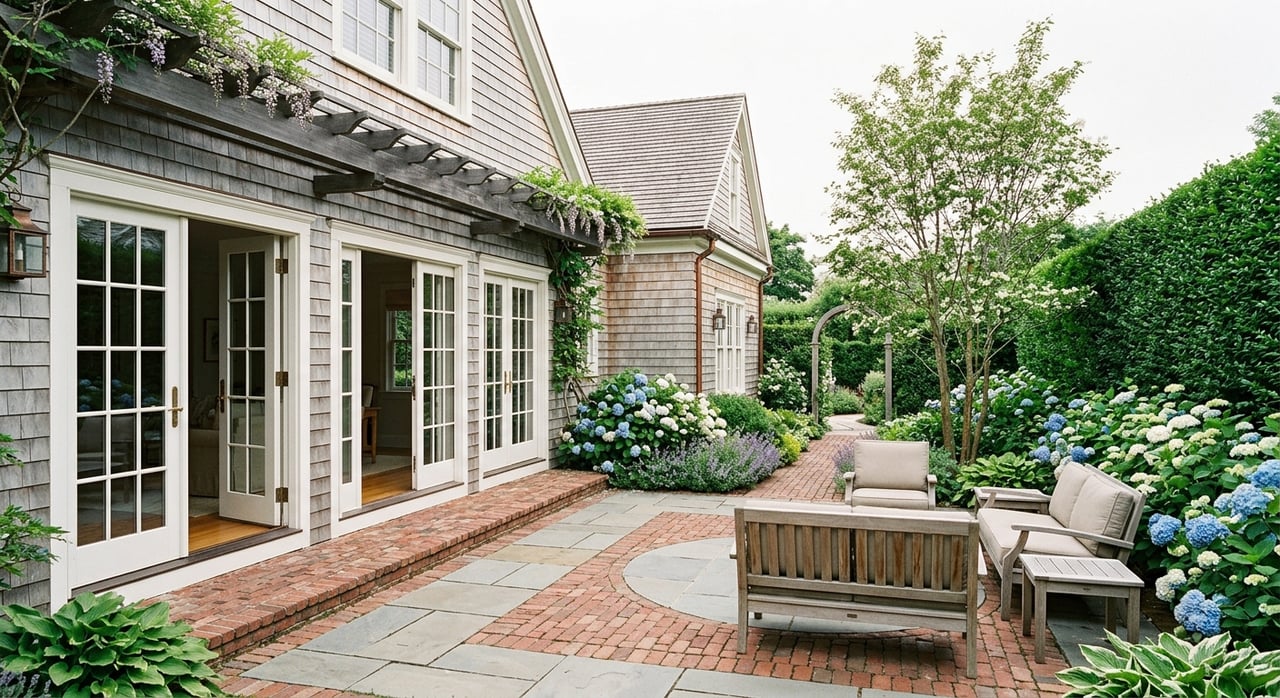
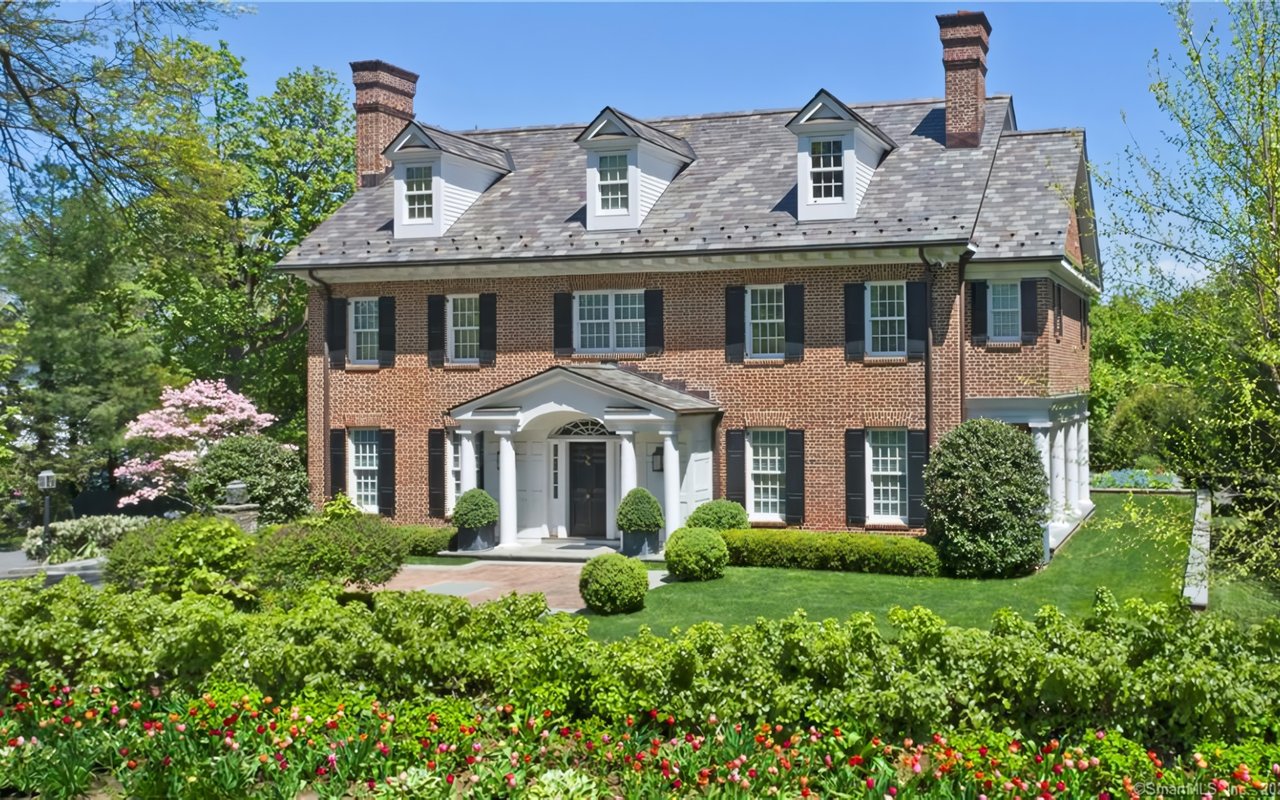
Southport is known for historic village fabric and generous-sized lots in parts of the district. In practical terms, that often means a setting with more architectural character and a traditional neighborhood pattern than you may find elsewhere. If charm, village identity, and a more established streetscape matter to you, Southport may feel especially compelling.
What to verify before you buy
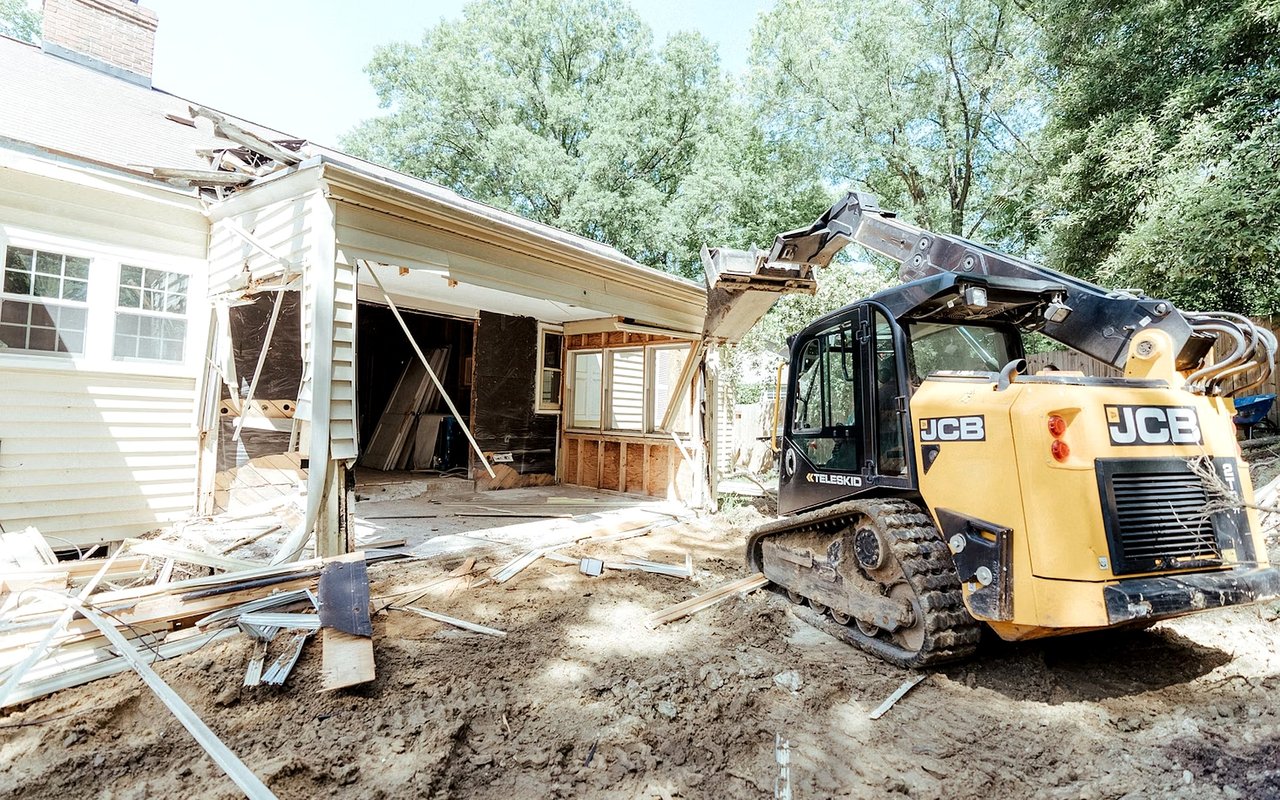
Southport’s biggest trade-off is that some properties may be subject to historic-district review for exterior changes. If you are thinking about renovations, additions, or significant exterior updates, confirm whether the home is within district boundaries before you move forward. That one step can save you time and help you plan more realistically.
Fairfield Beach: Shoreline Living With More Due Diligence
Why buyers consider Fairfield Beach
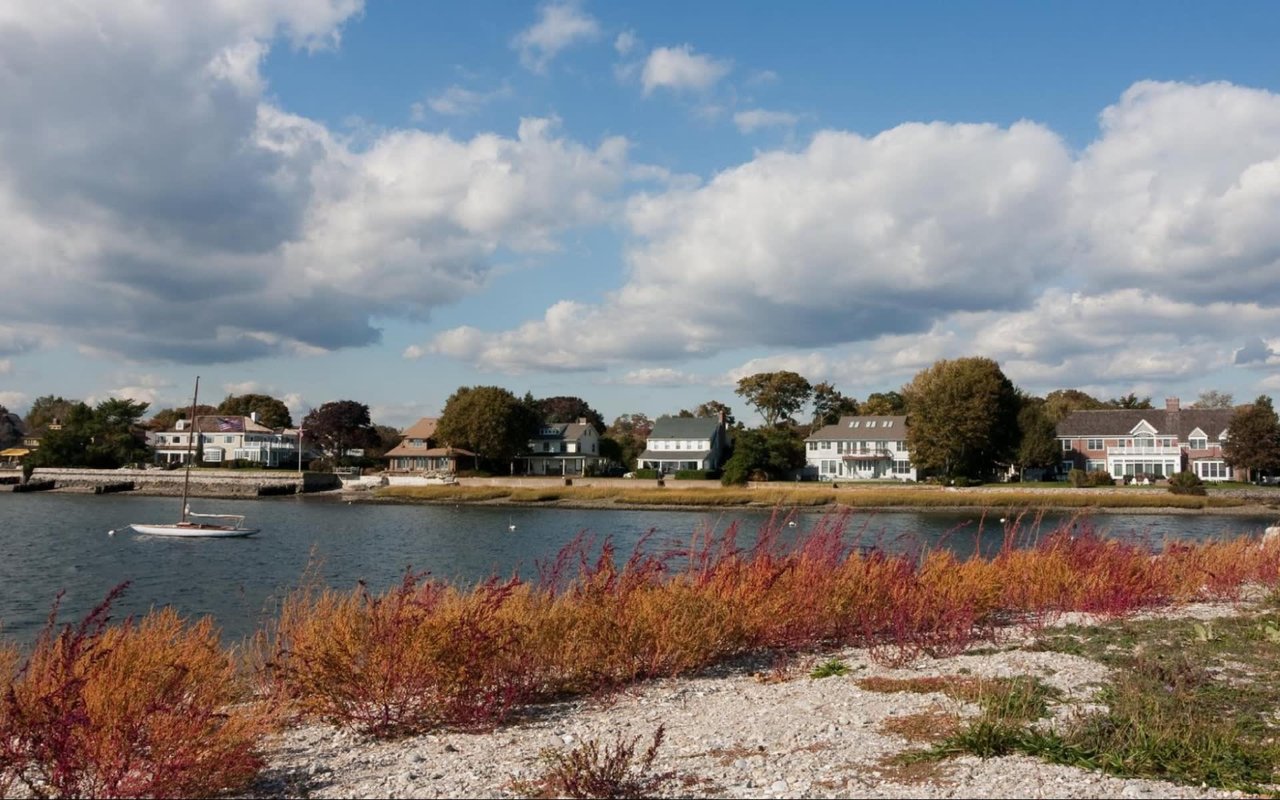
Fairfield’s coastal identity is a major part of the town’s appeal. The town notes five miles of coastline, five public beaches, one inland lake, two pavilions, and two marinas, and its coastal planning documents describe Fairfield as a community whose character and quality of life are closely tied to Long Island Sound.
The beach corridor includes several shoreline neighborhoods, including Fairfield Beach, Reef Road, Pine Creek, S Pine Creek, and Sasco Hill. If your ideal home search centers on being closer to the water, this part of Fairfield may offer the kind of setting you want. For many buyers, daily shoreline access matters more here than train-walk convenience or larger lot patterns.
What the lifestyle can look like
Specific shoreline locations such as Southport Beach and Jennings Beach help illustrate the area’s recreational appeal. Jennings Beach Park, for example, is a 28.8-acre waterfront site with a beach, pavilion, playground, restroom facilities, picnic area, and parking areas. That gives buyers useful context if they want not just a water view, but also access to an active coastal setting.
What to verify before you buy
Shoreline property comes with extra homework. Fairfield’s 2024 Sustainability Plan says that more than 3,800 homes, or 15% of homes in town, sit in a coastal flood plain. If you are considering a home near the coast, you should verify the flood zone, elevation, insurance implications, and long-term coastal exposure for that exact address.
There is another detail many buyers miss. Some beach-area streets, including Beach Road and South Benson Road, fall within the Old Post Road Historic District. So even in shoreline areas, exterior work may still require historic-district review depending on the property.
Greenfield Hill: Privacy and a Rural Feel
Why buyers consider Greenfield Hill
Greenfield Hill is described by Fairfield’s Historic District Commission as a rural community set apart from busier centers. The area is also noted for having the largest concentration of pre-Revolutionary War dwellings in Fairfield, along with reminders of the area’s farming past.
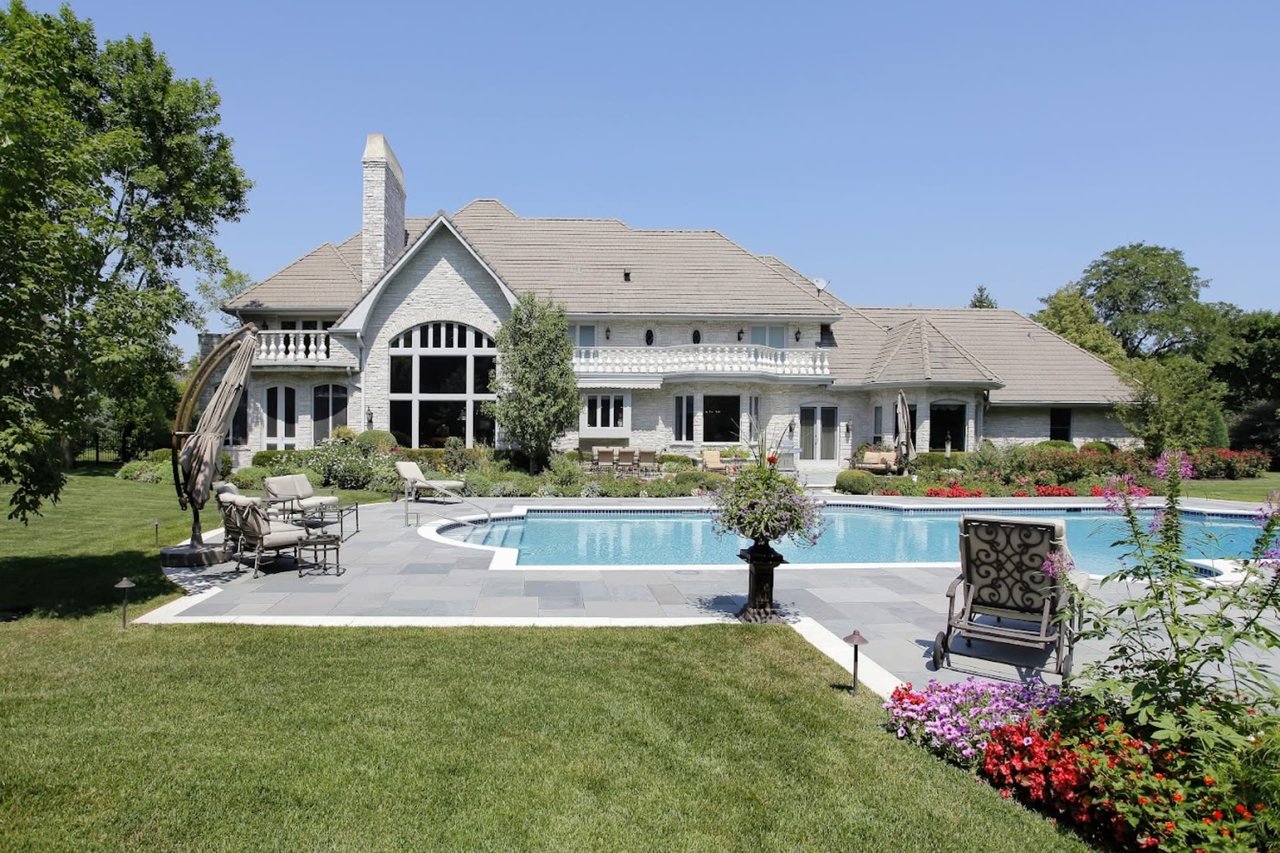
If you are looking for a neighborhood with a more private, spread-out, and quiet feel, Greenfield Hill often stands out. Buyers who want a larger-property feel frequently focus here, especially when village walkability and immediate shoreline access are not the top priorities.
How commuting works here
Greenfield Hill is generally less station-centric than Southport, but town property materials note ease of access to both the Merritt Parkway and I-95. For buyers who drive more often than they take the train, that road access may be more relevant than station proximity. As always in Fairfield, it is smart to judge commute convenience by exact address.
What to verify before you buy
Like Southport, Greenfield Hill can also involve historic-district considerations. If the property is within district boundaries, exterior changes may be subject to review. You will also want to confirm lot-specific conditions carefully, especially if the appeal for you is privacy, land, or a more expansive site.
How To Match the Right Neighborhood to You
The easiest way to choose your Fairfield neighborhood is to rank your non-negotiables before you tour too many homes. When buyers skip this step, they often fall in love with a property that works against their daily routine. A clear priority list keeps your search grounded.
Ask yourself which of these matters most:
- A village setting with stronger walkability
- Convenient train access for a regular commute
- Direct proximity to shoreline areas
- A quieter setting with more separation from busier centers
- A property with a larger-lot feel
- Flexibility for future exterior renovations
If your answers lean toward walkability and a station-centered routine, Southport may be the strongest fit. If your focus is the coast and beach access, Fairfield Beach and nearby shoreline areas may deserve more attention. If privacy and a more rural setting lead your list, Greenfield Hill may be where your search becomes most focused.
Use Address-Level Research, Not Just Neighborhood Names
One of the most important things to know about Fairfield is that neighborhood labels only get you so far. Town and school materials make it clear that important details should be confirmed at the property level. This is especially true if you are comparing commute routes, district boundaries, flood exposure, or renovation plans.
Fairfield Public Schools states that district maps are visual references only and that the Master Street List should determine attendance area. If school assignment is one of your decision factors, verify it by address rather than relying on a map or an agent remark. The same address-level mindset applies to flood zones, station access, and historic-district boundaries.
A Practical Buyer Checklist
Before you choose a Fairfield neighborhood or make an offer, take these steps:
- Confirm the exact school attendance area by street address
- Check whether the property is within a historic district
- If near the coast, verify flood zone, elevation, and insurance implications
- Compare the exact address to the nearest train station and parking situation
- Evaluate whether the home’s setting matches your everyday lifestyle, not just your wish list
These checks may sound simple, but they can shape how satisfied you feel after closing. A home can be beautiful and still be the wrong fit if the commute, maintenance, or future renovation limits do not align with your goals.
Choosing Fairfield With Confidence
Fairfield offers a rare mix of village character, shoreline living, and quieter residential settings within one town. That variety is part of what makes it such an appealing place to buy, but it also means your best neighborhood match depends on how you actually want to live. When you focus on your daily priorities and verify key details by address, you can search with much more confidence.
If you want a thoughtful, highly personalized approach to buying in Fairfield or elsewhere in lower Fairfield County, Fatou Niang offers the kind of detailed local guidance that helps you move strategically.
FAQs
How do Fairfield neighborhoods differ for homebuyers?
- Fairfield neighborhoods often differ in commute access, housing character, lot pattern, shoreline exposure, and whether a property may be subject to historic-district review.
Is Southport a good Fairfield neighborhood for commuters?
- Southport is often a strong option for buyers who want a village setting and station-oriented convenience, but commute ease should still be evaluated by exact address.
What should buyers know about Fairfield Beach homes?
- Buyers considering Fairfield Beach or other shoreline areas should do extra due diligence on flood zone, elevation, insurance implications, and any applicable historic-district rules.
What is Greenfield Hill like for Fairfield homebuyers?
- Greenfield Hill is generally known for a more rural, spread-out setting with strong road access to the Merritt Parkway and I-95, rather than a train-centered routine.
How do you confirm school attendance areas in Fairfield?
- Fairfield Public Schools says district maps are only visual references, so you should confirm the attendance area using the Master Street List for the specific address.
Why is address-level research important in Fairfield?
- Address-level research matters because station access, school assignment, flood exposure, and historic-district boundaries can vary significantly even within the same neighborhood.