By Fatou Niang
New Canaan has long attracted buyers who understand that real estate is one of the most reliable paths to building lasting wealth. Situated in Fairfield County and surrounded by some of Connecticut's most prestigious communities, this town offers a combination of excellent property values, consistent demand, and a housing stock that holds its appeal over time. For anyone considering real estate investment here, the opportunity is real — and so is the need for a thoughtful, well-prepared approach.
Investing in New Canaan real estate looks different depending on your goals. Some buyers are acquiring a primary residence with long-term appreciation in mind. Others are building a rental income stream or expanding a portfolio through strategic acquisitions. Whatever your objective, the fundamentals remain the same: know the market, prepare your finances, and move with clarity. This guide will walk you through exactly how to do that.
Key Takeaways
- New Canaan's compelling demand and limited inventory make it a reliable market for long-term appreciation.
- Defining your investment strategy before you begin the search is essential to evaluating properties accurately.
- Financial preparation goes well beyond the down payment and includes carrying costs, reserves, and financing structure.
- Property management decisions have a direct impact on your investment's performance and your own workload.
Why New Canaan Is a Dynamic, Promising Market for Successful Real Estate Investment
New Canaan's appeal as a real estate market isn't accidental. The town has consistently maintained property values that reflect both its prime location and the top-notch quality of life it offers. With easy train access to New York City, a convenient downtown, and a housing stock that skews toward substantial single-family homes, the town draws a professional and financially stable buyer pool year after year.
Inventory in New Canaan tends to be limited relative to demand. That dynamic supports prices over time and reduces the risk of significant depreciation, which is a notable advantage for investors thinking about long-term holds. When fewer properties are available and buyer interest remains steady, your asset tends to retain and build value. From an investment perspective, the town also benefits from its proximity to Greenwich, Darien, and Stamford.
What Makes New Canaan Stand Out for Investors?
- The town's proximity to Metro commuter rail makes it attractive to professionals who need reliable New York City access, which supports both purchase and rental demand.
- A limited supply of available homes relative to buyer interest has historically supported solid appreciation in well-positioned properties.
- New Canaan's downtown corridor offers retail, dining, and services that increase the lifestyle appeal of the area, which translates directly into property values.
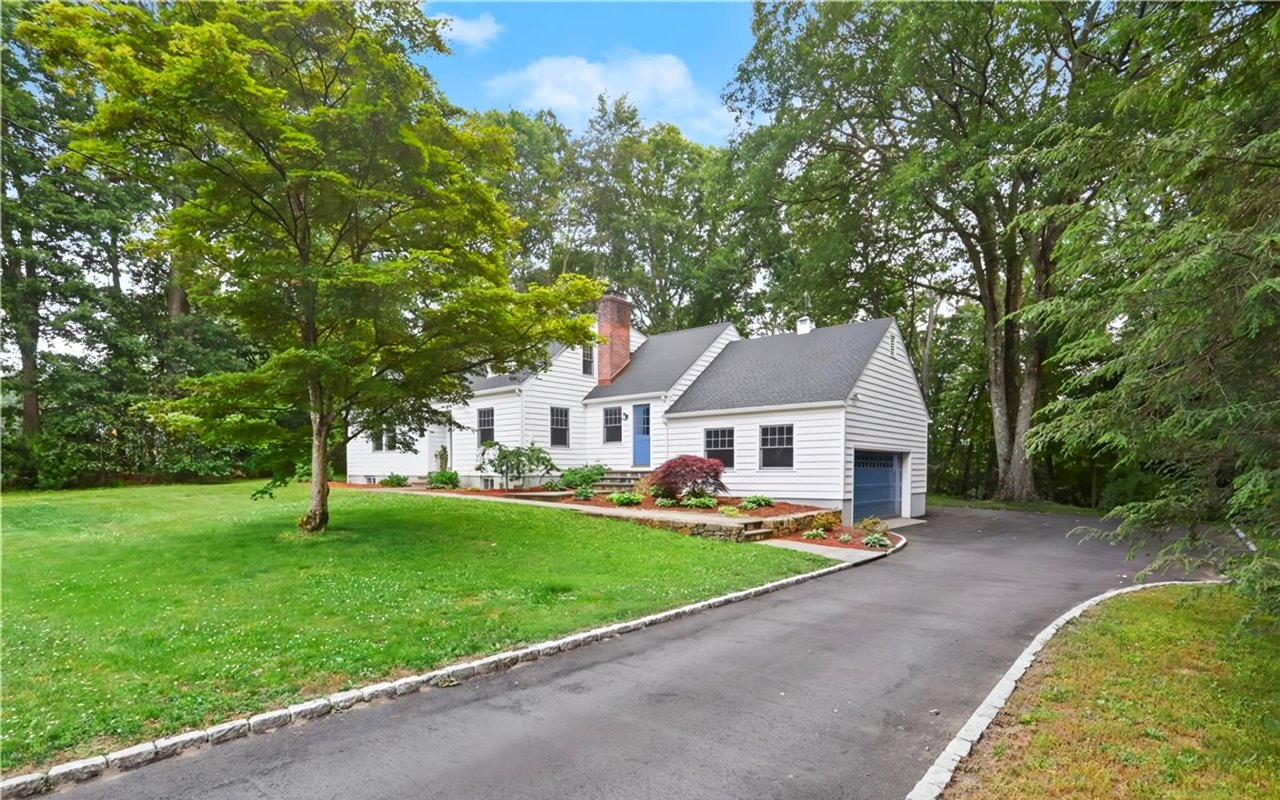
- The town's architectural variety, including historic colonials, mid-century modern homes, and newer construction, gives investors options across multiple price points.
Defining Your Investment Strategy
Before you begin touring properties, you need to be clear on what you're trying to accomplish. Real estate investment in New Canaan can take several forms, and the strategy you choose will determine which properties make sense, how you structure your financing, and how you manage the asset over time.
Long-term appreciation is one of the most common approaches in a dynamic, competitive market like New Canaan. You acquire a property, maintain it well, and benefit from the compounding effect of rising values over the years. This works particularly well in markets with constrained supply and sustained demand, which describes New Canaan accurately.
Rental income is another route, though it requires a more active management posture. Single-family rentals in Fairfield County can generate substantial cash flow. Understanding gross rental yield and net operating income before you purchase is essential to knowing whether a given property makes sense as a rental opportunity.
Questions to Answer Before You Start Your Search
- What is your target hold period, and are you optimizing for appreciation, cash flow, or both?
- Will this be a primary residence with investment upside, a rental, or a second home you plan to eventually sell?
- How involved do you want to be in day-to-day property management, and does your timeline support a hands-on approach?
- What is your exit strategy, and how does the property type you're considering align with buyer demand?
Financially Preparing for a New Canaan Real Estate Investment
Getting your finances in order before you make an offer is one of the most crucial steps in the investment process. In a competitive market, sellers are looking for buyers who can close reliably, and that means having your financial position documented and ready before you engage seriously with any listing.
Start with your down payment, but don't stop there. Investment properties typically require a larger down payment than primary residences, often in the 20 to 25 percent range for conventional financing. Beyond that, you need reserves to cover carrying costs during any period when the property isn't generating income, maintenance and capital expenditures over time, and transaction costs on both the purchase and eventual sale.
Your debt-to-income ratio will affect the financing options available to you. Lenders evaluate this carefully for investment properties, so reviewing your full financial picture with a lender before you search will help you understand exactly how much you can responsibly invest and what loan products apply to your situation.
Financial Benchmarks to Address Before You Invest
- Confirm your down payment amount and ensure that it doesn't deplete the reserves you'll need for carrying costs and property upkeep.
- Get pre-approved with a lender who has experience with investment properties in Connecticut.
- Build a realistic cash flow projection that accounts for property taxes, insurance, potential vacancy periods, and maintenance costs so that you understand the true cost of ownership.
- Understand the difference between gross yield and net yield, and evaluate properties on their net return after expenses rather than the headline rental rate.
Managing Your Investment Property
Once you've acquired a property, how you manage it will have a direct effect on its performance. This is true whether you're renting it out or holding it as a long-term appreciation play.
For rental properties, you have two primary options: self-management or engaging a professional property management company. Self-management keeps costs lower but requires time, availability, and a willingness to handle tenant relationships, maintenance coordination, and lease compliance. A property management firm takes those responsibilities off your plate in exchange for a management fee.
Regardless of which approach you take, routine maintenance is non-negotiable. In Connecticut's climate, this means staying ahead of seasonal maintenance tasks, including HVAC servicing, roof and gutter inspection, and winterization of exterior systems. A well-maintained property retains its value, attracts tenants, and requires fewer costly emergency repairs over time.
Ongoing Property Management Priorities
- Schedule preventive maintenance on a regular basis rather than waiting for systems to fail; HVAC, roofing, and plumbing are the most common cost drivers in Fairfield County homes.
- Keep detailed records of all expenses, improvements, and repairs, as these documents matter both for financial planning and at resale.
- Maintain the exterior of the property, including landscaping and the driveway, as curb appeal directly affects perceived value.
FAQs
Is New Canaan a Good Place to Buy an Investment Property?
New Canaan has a strong track record as a market for long-term property appreciation. Limited inventory, consistent buyer demand, and proximity to New York City make it a compelling option for investors focused on value preservation and growth. The rental market also benefits from the town's appeal to relocating professionals and commuters.
How Do I Know if a Property Will Appreciate Over Time?
No property comes with a guarantee, but several factors support appreciation in New Canaan: location relative to transit and downtown, lot quality and home condition, and how the property is priced relative to comparable sales. Reviewing market trends before you purchase gives you a much clearer picture of a property's long-term potential.
Should I Hire a Property Manager or Self-Manage a Rental?
Both approaches work depending on your availability and investment goals. If you live locally and have time to handle tenant communication and maintenance coordination, self-management can improve your net return. If you're investing from out of the area or simply prefer a hands-off approach, a professional property manager can handle day-to-day operations and reduce the risk of issues going unaddressed.
Your Next Move in New Canaan Real Estate
Investing in New Canaan real estate is a meaningful financial commitment, and the decisions you make at the beginning of the process have a lasting impact. The buyers and investors who do best here are the ones who come prepared: with a clear strategy, a realistic financial picture, and a deep understanding of what works.
When you're ready to take the next step, I'm here to help you navigate the New Canaan real estate market with the insight and expertise your investment deserves. Reach out to me, Fatou Niang, to get started.