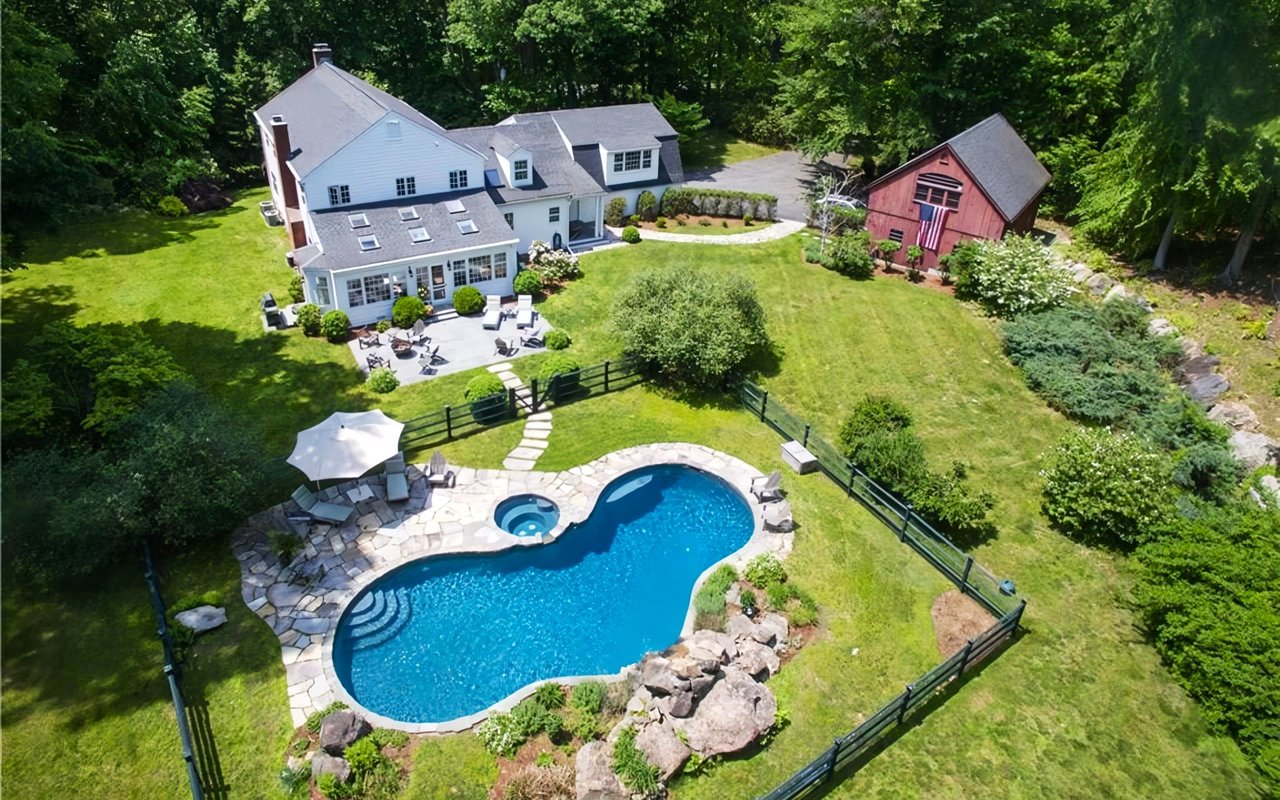
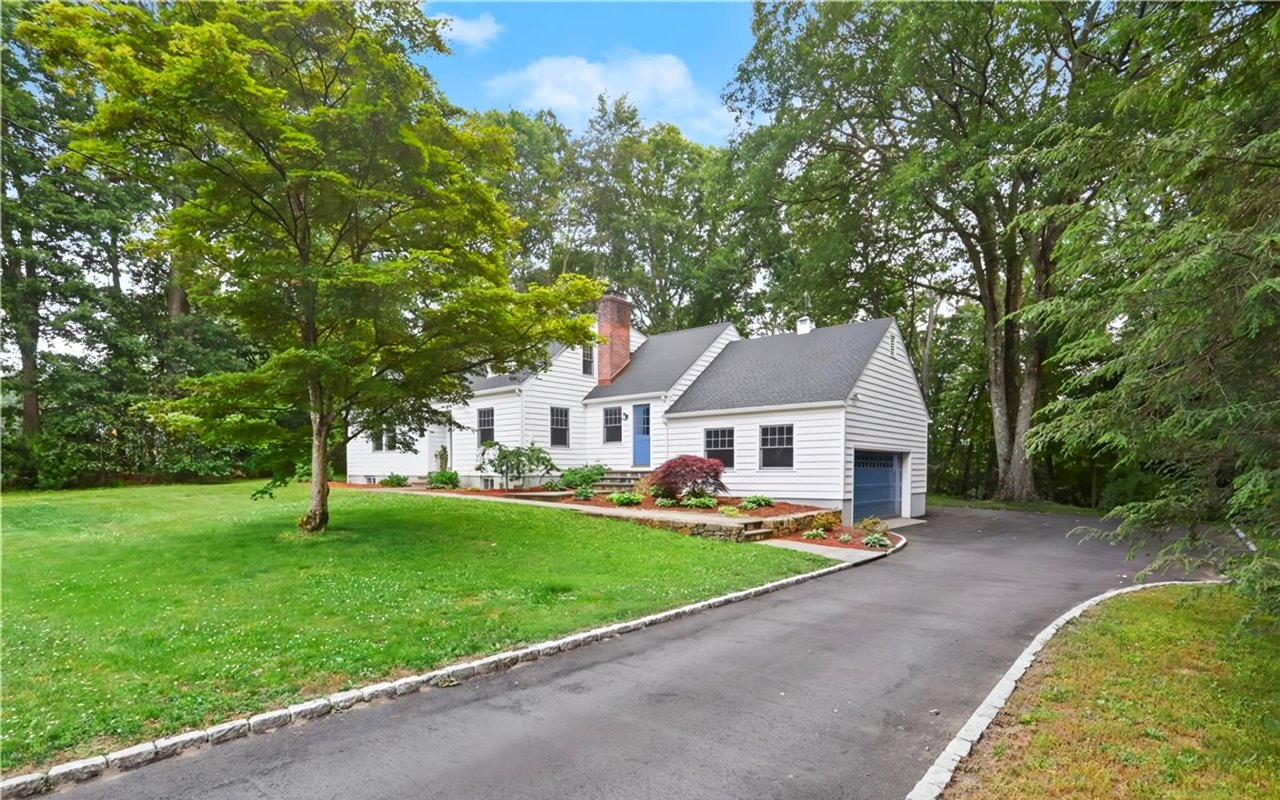
If your workweek still points toward Manhattan but your housing goals point toward more space, Wilton is worth a serious look. For many NYC commuters, the real question is not whether Wilton is close to the city, but whether the tradeoff feels right for your daily life. If you want a quieter setting, larger lots, and a more suburban rhythm, this town may fit better than a shorter-ride suburb. Let’s dive in.
Wilton at a glance for commuters
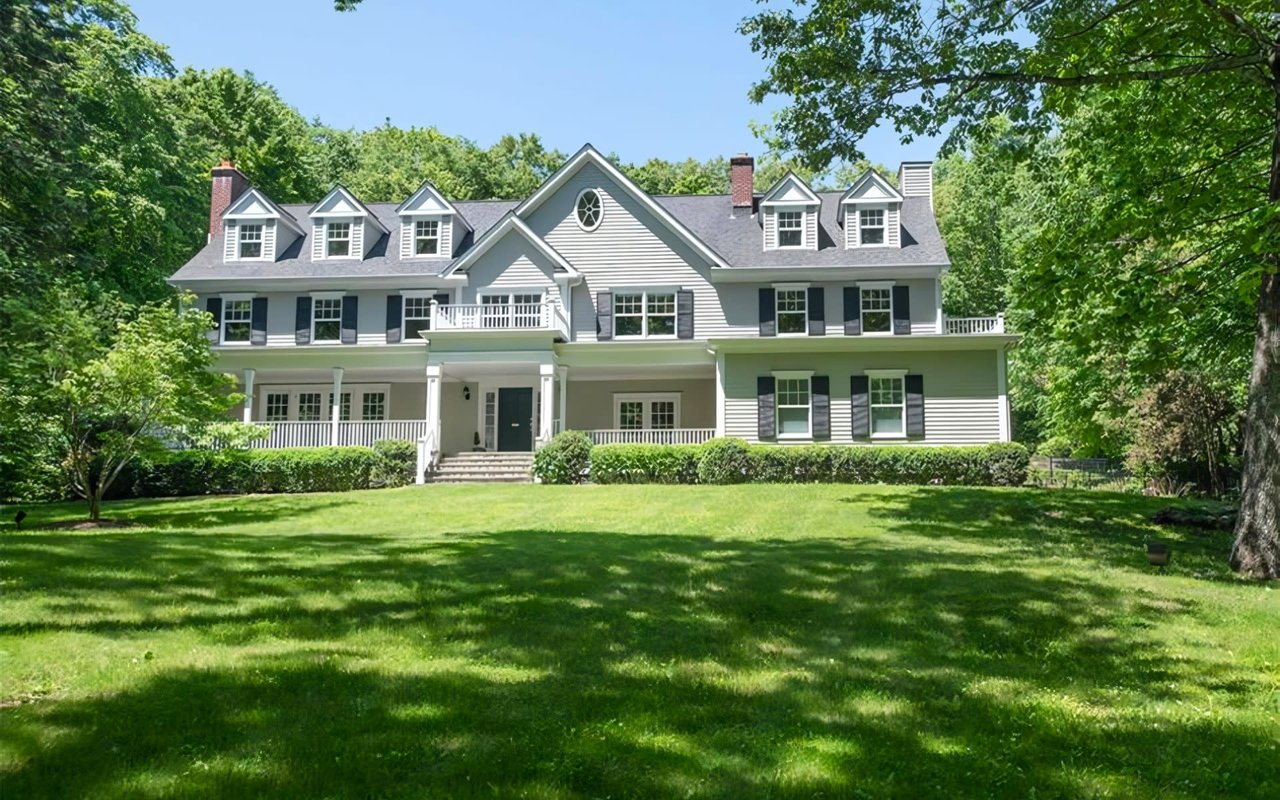
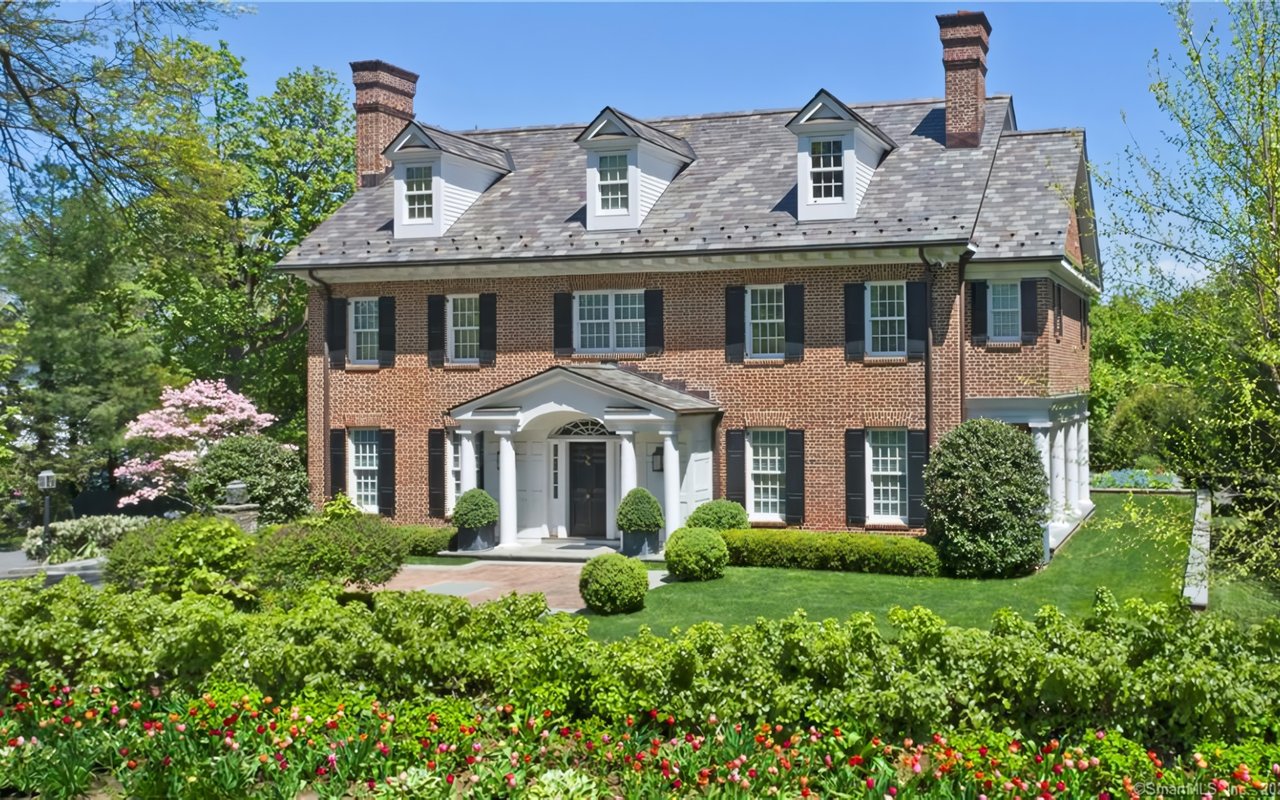
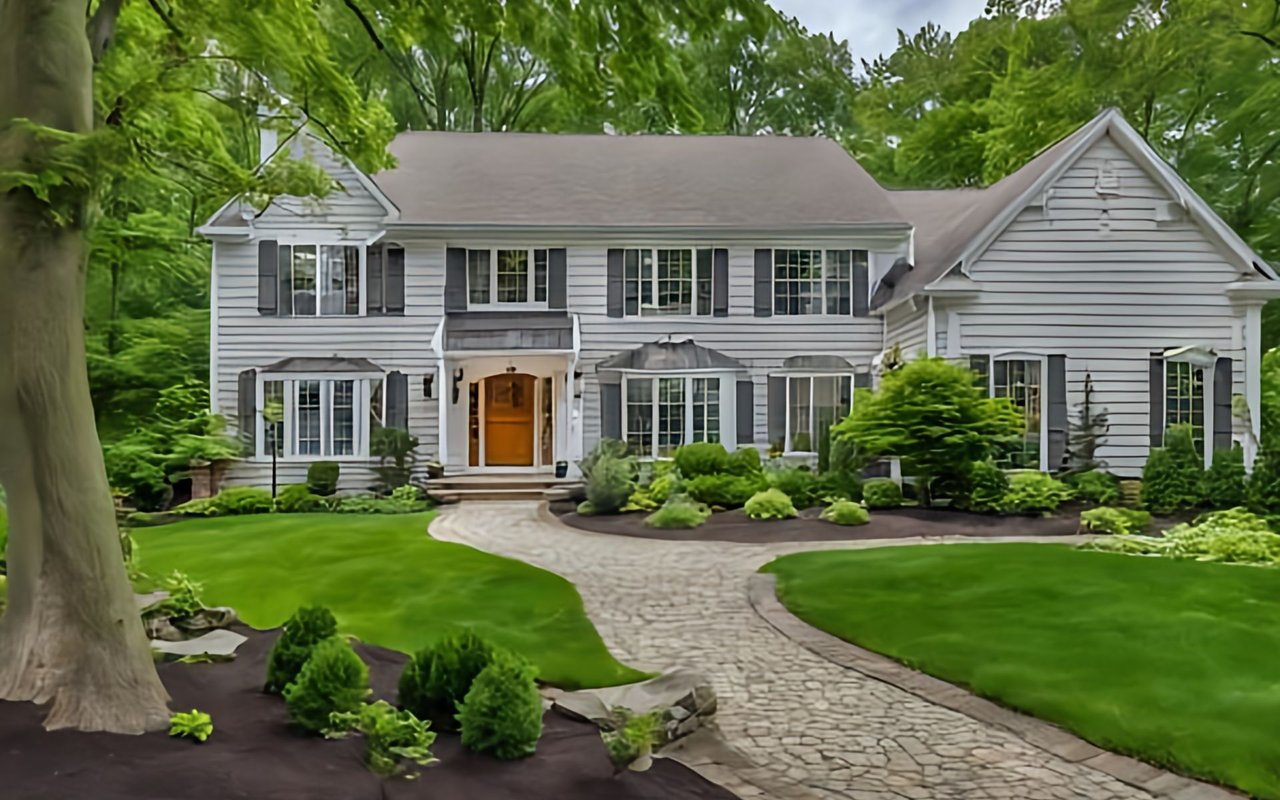
Wilton is a small town of about 19,435 residents in Fairfield County, and its housing profile tells you a lot about the lifestyle. With an owner-occupied housing rate of 88.6% and a median owner-occupied home value of $928,800, it reads as an established, owner-focused market rather than a dense commuter hub.
That matters if you are moving out of the city for a different kind of day-to-day experience. In Wilton, the appeal is typically more house, more land, and a calmer setting, not a fast or highly urban commute.
How the NYC commute works from Wilton
The main rail option is Wilton station on Metro-North’s Danbury Branch. The station is ramp-accessible, has one ticket machine, no ticket office, and connections listed for HARTransit and Norwalk Transit. Cannondale is Wilton’s second station, and it is also ramp-accessible, though it does not have a ticket machine.
On current weekday morning schedules, several southbound trains from Wilton reach Grand Central in about 1 hour 20 minutes to 1 hour 40 minutes. Later trips can take longer, and the broader practical range for Wilton-to-Grand Central is often about 1 hour 25 minutes to 2 hours depending on the train.
Weekend service is also less frequent. If your schedule is highly predictable and centered on weekday office trips, that may be workable. If you need frequent off-peak flexibility, it is important to weigh that upfront.
What that commute feels like in real life
Wilton is best for buyers who see commuting as one part of a bigger lifestyle decision. You are not choosing it because it offers one of the shortest rides into Manhattan. You are choosing it because the home environment on the other end may feel more aligned with the way you want to live.
That distinction is important. If your top priority is getting into the city as quickly as possible every day, Wilton may feel like a stretch. If you are comfortable with a roughly 1.5- to 2-hour one-way rail trip in exchange for more space and lower density, it becomes much more compelling.
Wilton Center offers the easiest setup
For many NYC commuters, Wilton Center is the most practical part of town to explore first. It offers the strongest relationship to the station area and the town’s most walkable setting.
The town completed streetscape upgrades in the center in 2017 and has also designed a pedestrian bridge linking Wilton Center to the train-station area. Planning efforts there have supported a more pedestrian-friendly mixed-use pattern, which helps explain why this area feels more village-oriented than other parts of town.
If you want the shortest daily routine and the ability to be closer to shops, services, and the station environment, Wilton Center is likely the clearest match. It is the part of town that most directly supports a commuter lifestyle with less dependence on the car for every small errand.
South Wilton fits drivers and convenience seekers
South Wilton tends to appeal to buyers who prioritize road access and commercial convenience. Danbury Road, also known as Route 7, is the town’s main spine, and traffic volumes in South Wilton exceed 30,000 vehicles per day.
This is also the highest-density development area in town, according to Wilton’s planning documents. In practical terms, South Wilton often makes sense if you expect to drive often, value easy access along Route 7, and are comfortable with a more auto-oriented daily routine.
For commuters, that can mean a useful setup if you plan to drive to the station, drive for errands, and keep your schedule tightly organized. It is usually less about walkability and more about access and convenience.
North Wilton brings more space and privacy
North Wilton is the strongest fit if your move is really about land, privacy, and a more rural feel. The town describes Danbury Road north of Cannon Road as primarily rural in character, and the zoning structure reinforces that lower-density pattern.
From a commuter standpoint, North Wilton is the least likely to feel village-centric or walk-to-train. But if your priority is a larger property and a quieter home environment, this part of town may offer the tradeoff you actually want.
For some buyers, especially those who only commute a few days a week, that balance can make a lot of sense. You accept a more car-dependent routine in return for a property that feels meaningfully different from closer-in suburban options.
Why Wilton feels spread out
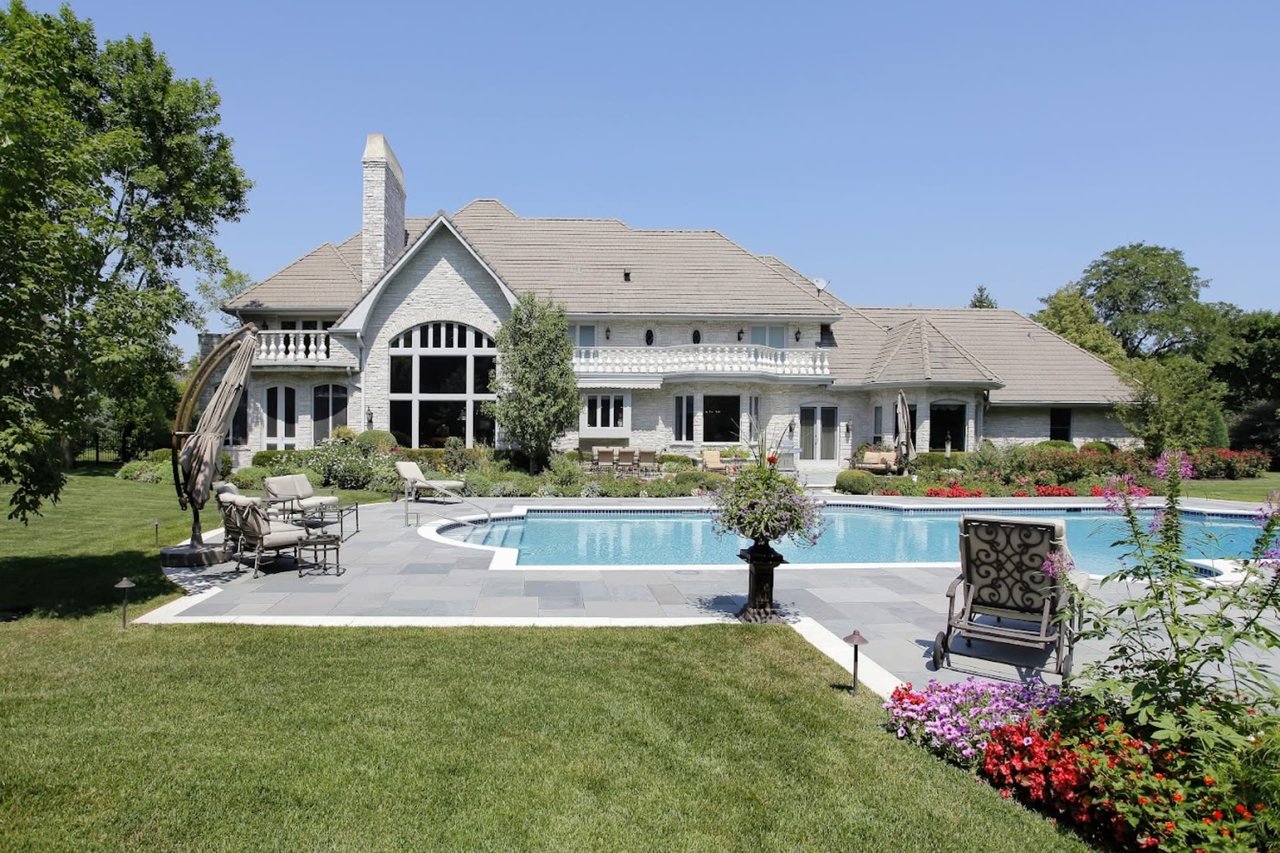
A big reason Wilton feels different from more compact commuter towns is its zoning pattern. Single-family districts often require substantial minimum lot sizes, including 1 acre in R-1A districts and 2 acres in R-2A districts.
The town’s planning approach is designed to preserve lower-density residential areas while allowing some more varied housing types closer to village centers. That structure supports Wilton’s spacious character, but it also means many homes sit in areas where driving is part of everyday life.
For NYC buyers, this is often the heart of the decision. If you want a suburban setting that truly feels lower density, Wilton delivers that. If you want a tighter, more walkable town fabric across most of the market, you may find it less convenient.
Lifestyle perks beyond the commute
A move to Wilton is not just about the train schedule. It is also about what your non-working hours look like once you are home.
The town offers a village-scale feel paired with meaningful access to open space. Wilton Library serves as a major cultural resource in town, while Merwin Meadows includes a swimming pond, beach, playground, and athletic field. Schenck’s Island, in Wilton Center, adds walking trails and river access.
Wilton also highlights trails and open spaces for walking, hiking, biking, and horseback riding. If your goal is to trade intensity for breathing room, those everyday quality-of-life features can matter just as much as the station.
Who Wilton is right for
Wilton may be a strong fit if you:
- Work in NYC but do not need the shortest possible train ride
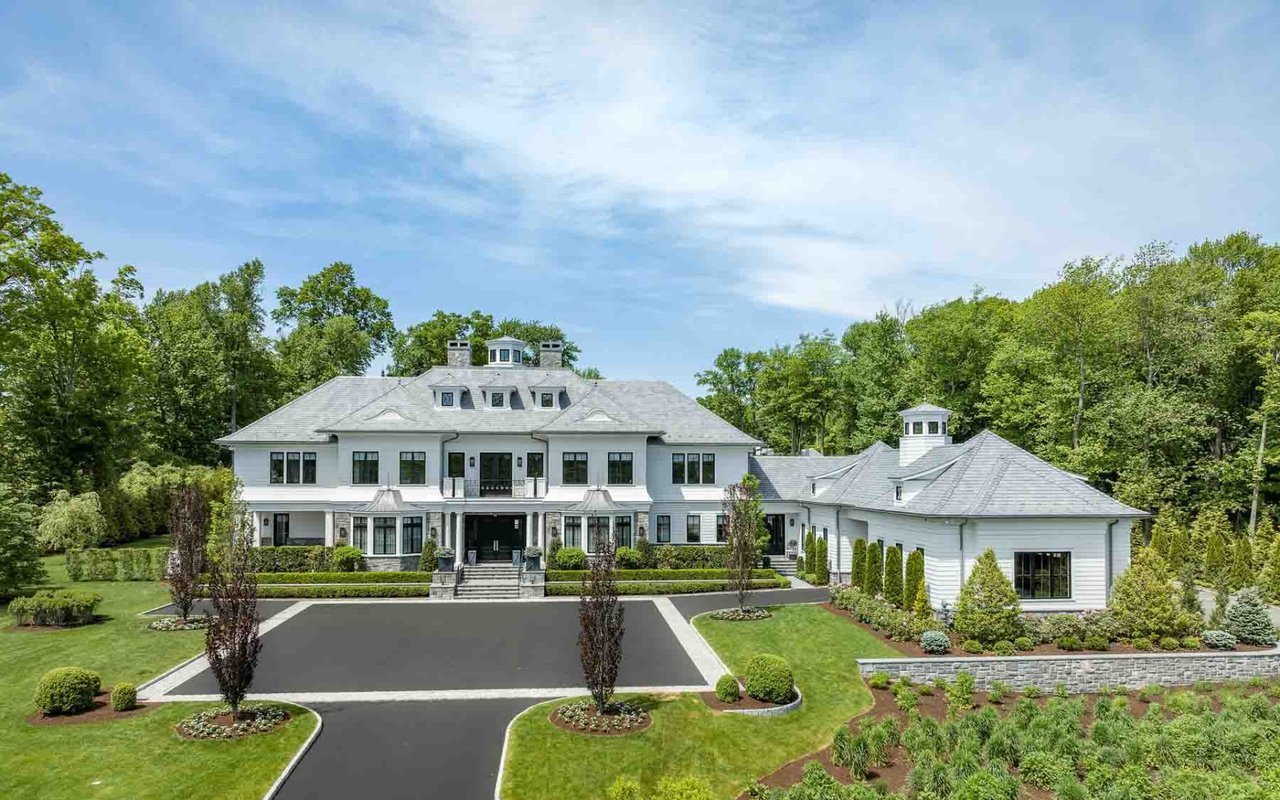
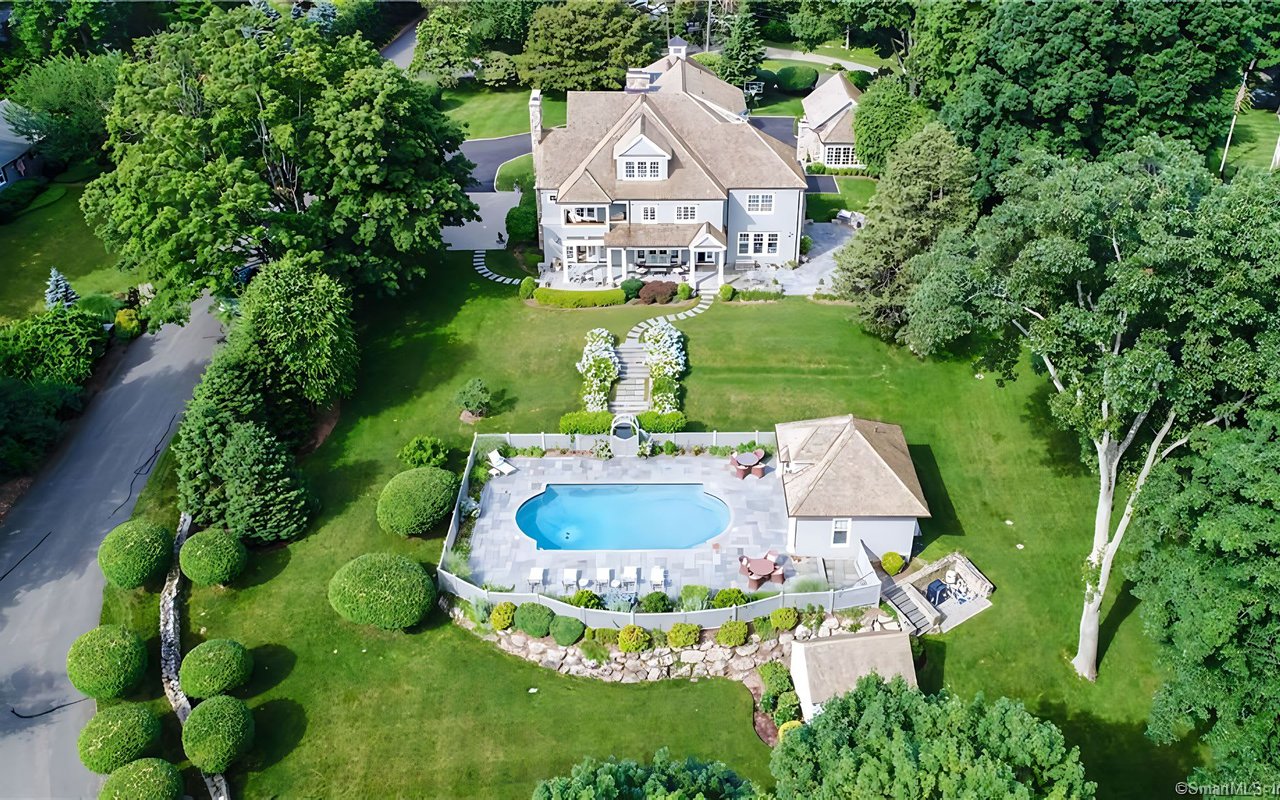
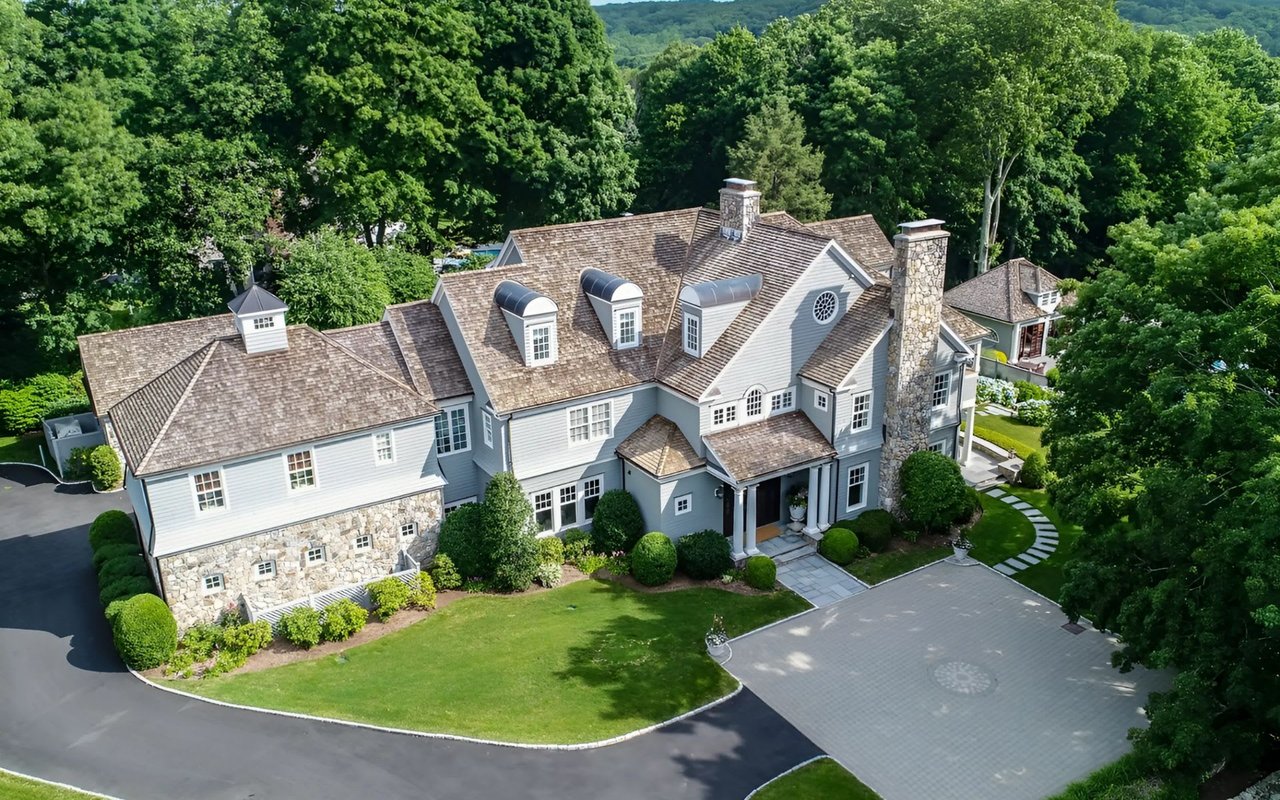
- Want more house, more land, and lower density
- Are comfortable using a car as part of daily life
- Value a village feel, open space, and a quieter home base
- Commute on a predictable weekday schedule rather than relying heavily on weekend rail flexibility
It may be less ideal if you:
- Need a short and simple Manhattan commute above all else
- Want frequent weekend train options
- Prefer a highly walkable town layout across most neighborhoods
- Want an urban-style environment with less car dependence
The bottom line on Wilton for NYC commuters
Wilton can absolutely work for NYC commuters, but it works best when you choose it for the full lifestyle package, not just the rail line. The town offers a clear tradeoff: a longer commute in exchange for more space, a lower-density setting, and a strong suburban-village feel.
For the right buyer, that tradeoff is worth it. If your goal is to create more room in your daily life while staying connected to Manhattan, Wilton deserves a place on your shortlist.
If you are comparing Wilton with other lower Fairfield County options, Fatou Niang can help you weigh commute patterns, neighborhood character, and property types with the kind of local guidance that makes a move feel strategic and clear.
FAQs
Is Wilton, CT a good choice for NYC commuters?
- Wilton can be a good choice if you are comfortable trading a longer commute for more space, larger lots, and a lower-density suburban lifestyle.
How long is the train from Wilton to Grand Central?
- Current weekday trips from Wilton to Grand Central commonly run about 1 hour 25 minutes to 2 hours, with several morning trains landing around 1 hour 20 minutes to 1 hour 40 minutes.
Which part of Wilton is best for commuting to NYC?
- Wilton Center is generally the most commute-friendly area because it has the strongest connection to the station area and the town’s most walkable environment.
Is Wilton walkable for daily errands and train access?
- Some parts are more walkable than others, but Wilton overall is not defined by a highly walkable townwide layout, and many residents rely on a car for errands and station access.
Is South Wilton good for NYC commuters?
- South Wilton can work well if you prioritize Route 7 access, commercial convenience, and a more car-oriented routine over a village-style setting.
Is North Wilton too far for Manhattan commuters?
- North Wilton can still work for Manhattan commuters, especially if you commute less frequently, but it is typically the most rural and car-dependent part of town.
What kind of housing should you expect in Wilton?
- Wilton is largely an owner-occupied market with many lower-density residential areas, including zoning districts with 1-acre and 2-acre minimum lot sizes, plus some more compact housing options near village centers.