By Fatou Niang
There is something deeply rewarding about gathering people around a table you've set with care, feeding them well, and sending them home happy. A dinner party done right feels effortless from the outside, even when you know how much thought went into it behind the scenes. And that's really the art of it: the planning and preparation happen well in advance so that by the time your guests arrive, you can be fully present rather than frantically finishing in the kitchen.
Whether you're hosting close friends in your New Canaan dining room or throwing a larger gathering that spills out onto the patio, the principles of a standout dinner party are the same. You don't need a professional catering team or a sprawling estate kitchen. What you need is a clear plan, a menu you're confident in, and a hosting mindset that prioritizes warmth over perfection.
The most memorable evenings are rarely the ones where everything went flawlessly; they're the ones where the host was relaxed, the conversation flowed, and the food was delicious. This guide will walk you through everything, from the guest list to the goodbye, so you can host with confidence and actually enjoy your own party.
Key Takeaways
- A well-planned timeline is the most important tool a host has, since it removes the guesswork and keeps the evening running smoothly.
- Choosing a menu you've made before, rather than attempting new recipes on the night of, dramatically reduces stress and improves the food.
- Atmosphere, including lighting, music, and table setting, does as much work as the food in creating a memorable evening.
- Preparing as much as possible in the days before the party means you can spend more time with your guests and less time in the kitchen.
- Thoughtful touches, such as personalized place cards, a signature cocktail, or a handwritten menu, elevate a dinner party from pleasant to truly special.
Start With the Guest List and the Invitation
The foundation of a great dinner party is the right mix of people. You don't need everyone to know each other beforehand; in fact, some of the best dinner parties bring together guests from different parts of your life. What matters is that you've thought about the dynamics. Consider who will spark interesting conversation, who tends to put others at ease, and how the energy of the group will feel around the table. A seated dinner of six to ten guests tends to allow for a single cohesive conversation, while larger groups might naturally splinter into smaller ones.
Send invitations at least two to three weeks in advance for a dinner party. Digital invitations work well for casual gatherings, but a mailed card adds a lovely note of intention for more formal evenings. Include the date, start time, dress code if relevant, and any information guests need about parking or the nature of the evening. Ask about dietary restrictions when you invite, so you have plenty of time to plan your menu accordingly.
Once your RSVPs are in, finalize your headcount and resist the urge to keep adding people. A dinner party has a natural capacity, and overcrowding your space makes the evening feel chaotic rather than convivial. Trust the guest list you've built, and focus your energy on making those guests feel welcomed.
Invitation Essentials
- Send invites two to three weeks out to give guests enough notice, particularly for weekend dates.
- Ask about dietary restrictions or allergies in the invitation itself so you're not scrambling later.
- Specify a start time and, if it's a seated dinner, a general idea of the timeline so guests know when to plan their evening.
- Consider a printed or digital menu card as a detail that sets the tone even before guests arrive.
- Follow up with a reminder a few days before for larger gatherings, since it's a useful courtesy and helps you finalize your headcount.
Plan a Menu That Works for You
The biggest mistake hosts make is choosing a menu designed to impress rather than one designed to succeed. An ambitious dish you've never made before is a risk you don't need to take on the night you're also managing guests, timing courses, and pouring wine. The most consistently excellent dinner parties are built around a menu the host has made multiple times and knows well.
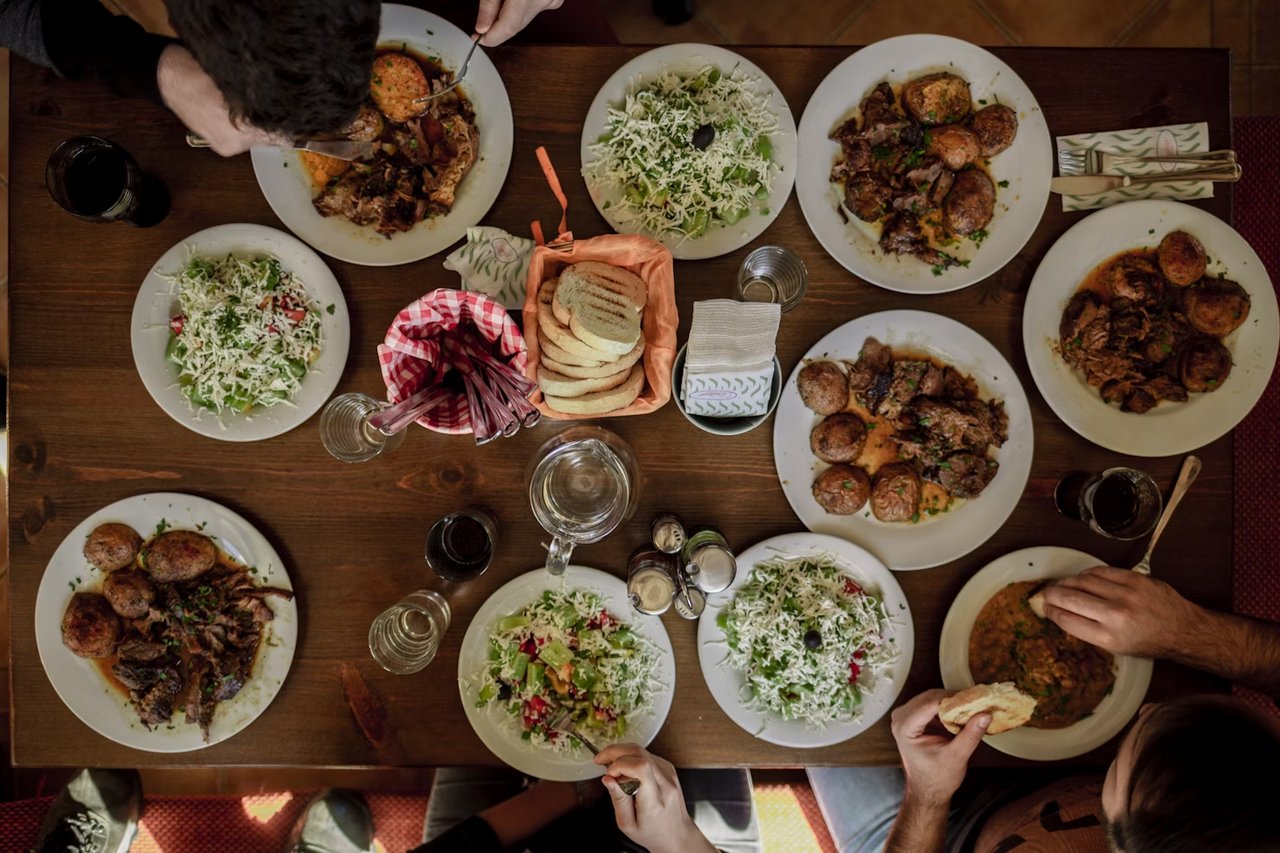
Choose dishes where the majority of the work can be done in advance. Braises, roasted meats, and casseroles that hold well in the oven are ideal for main courses. Salads can be prepped and dressed at the last minute. Desserts like tarts, mousses, and cookies can be made entirely the day before. The goal is to have as little active cooking as possible once your guests arrive so that you can be in the room with them rather than tethered to the stove.
Build your menu with a clear through-line in terms of flavor and season. A spring dinner in New Canaan might lean into fresh herbs, light proteins, and early vegetables, while an autumn gathering calls for heartier, more warming flavors. Think about how each course sets up the next, and aim for variety in texture and temperature so the meal feels dynamic from start to finish.
Menu Planning Principles
- Choose a main course you've prepared at least twice before, since familiarity is far more valuable than novelty on the night of a dinner party.
- Plan for one or two dishes that can be made entirely in advance, such as a soup, a salad component, or a cold appetizer.
- Keep the number of courses manageable: a light starter, a generous main with sides, and a dessert.
- Account for all dietary restrictions when building your menu, and make sure every guest has something substantial to eat at every course.
- Choose wines and cocktails that complement the food, and plan quantities generously, since running out of wine mid-dinner is a scenario worth avoiding.
Set the Scene Before Guests Arrive
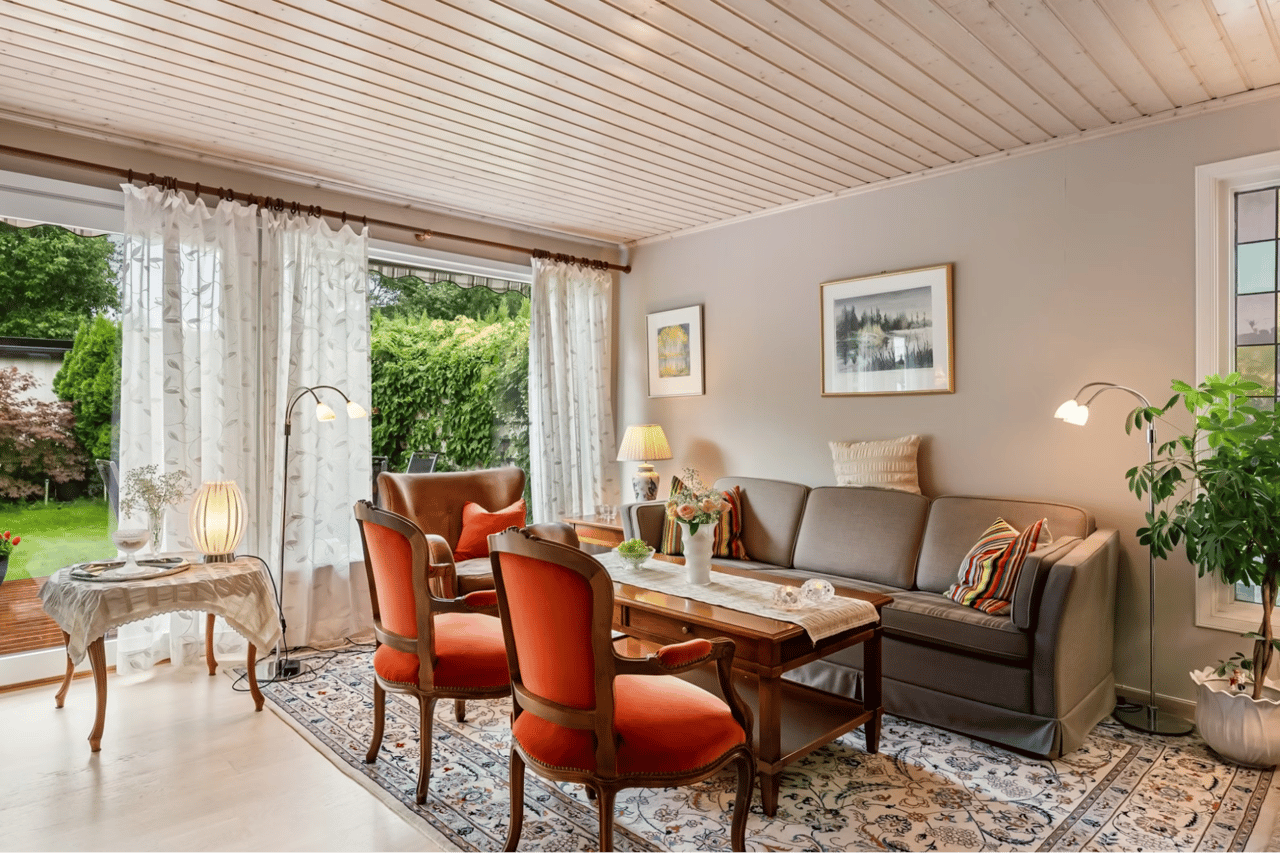
Atmosphere is doing significant work before a single bite of food is served. The way your home looks and feels when guests walk in sets the emotional register for the entire evening. Lighting is the single most powerful tool you have: warm, low light is more flattering and more inviting than overhead brightness. Use table lamps, candles, and dimmers to create a glow that feels like a special occasion without being theatrical.
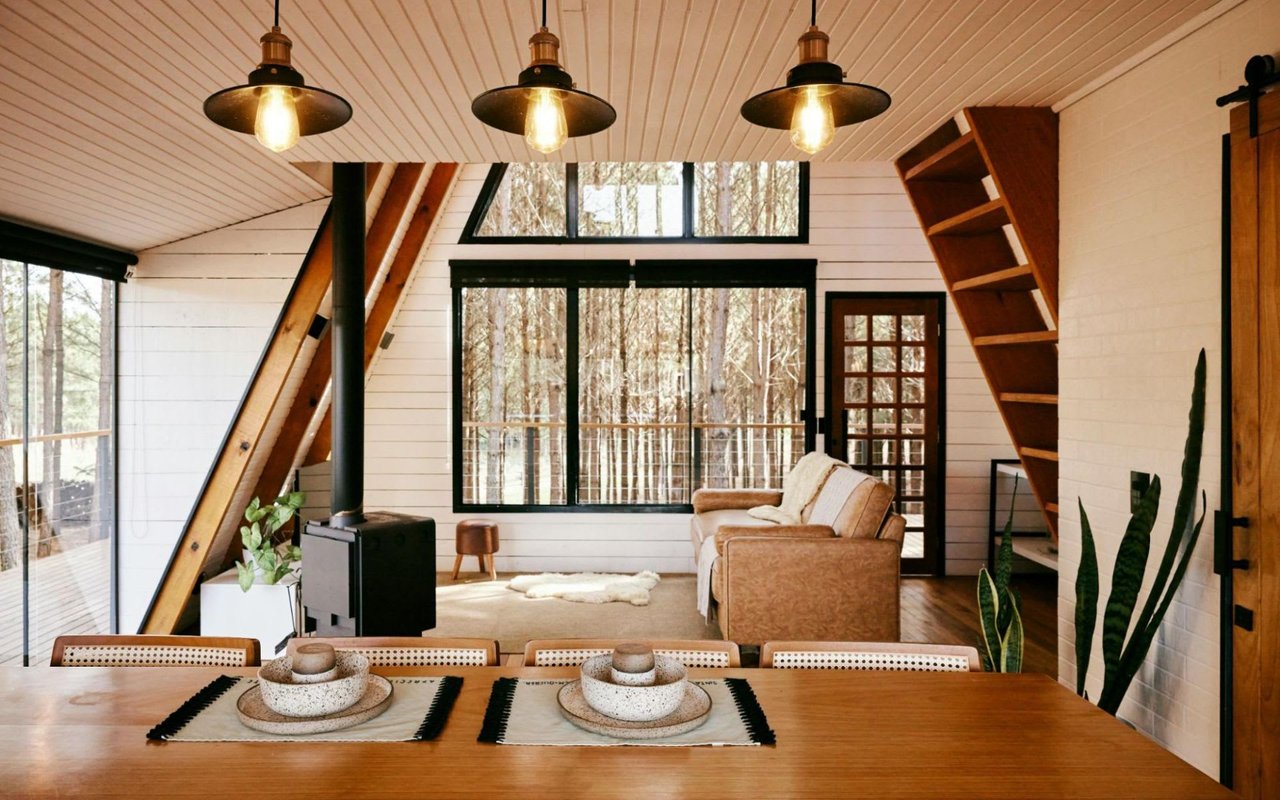
Set your table the day before, including linens, china, glassware, and any centerpiece. A centerpiece should be low enough that guests can see each other across the table easily; tall arrangements might look beautiful in photographs but interrupt conversation. Fresh flowers, simple greenery, or even an arrangement of pillar candles down the center of a long table all work well. Add place cards if you've thought carefully about seating, which is worth doing for any dinner of more than six, since seating guests intentionally tends to improve the conversation considerably.
Music should be present but unobtrusive. Create a playlist in advance that runs for the full length of the evening so you're not managing a phone during dinner. Choose something with a consistent mood, whether that's jazz, acoustic, or a curated mix, and set the volume so that guests can talk without raising their voices.
Atmosphere Details That Make a Difference
- Light candles thirty minutes before guests arrive so that the space has warmth from the moment people walk in.
- Set the table the night before so that you're not rushing through place settings on the day of the party.
- Prepare a signature cocktail or a simple welcome drink that guests receive immediately upon arriving.
- Choose a playlist that runs the full length of the evening without requiring attention, and keep the volume low enough for easy conversation.
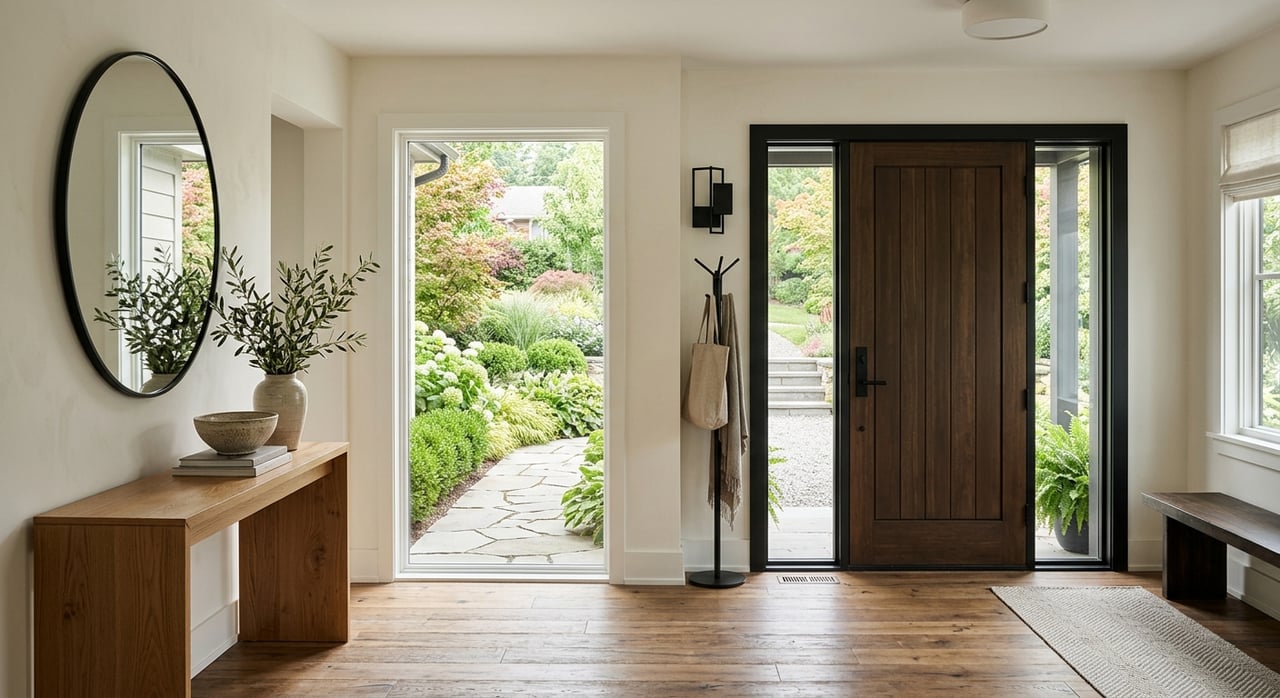
- Clear and organize entry areas, coat storage, and bathrooms the day before so that every part of your home feels ready.
The Day-Of Timeline
A written timeline is the single most useful tool a host can have. Work backward from your dinner start time and assign a specific hour to every task, from the first thing you do in the morning to the moment you sit down with your guests. This eliminates the mental load of trying to hold the schedule in your head while also welcoming people and managing the kitchen.
Most experienced hosts follow a similar rhythm: do all cleaning and table setting the day before, handle any advance cooking the morning of, spend the early afternoon on personal preparation, and use the two hours before guests arrive for final food prep, lighting candles, and getting dressed. When the doorbell rings, the home should be ready, the food should be in a good place, and you should feel calm.
Give yourself more time than you think you need at every stage. Things that take fifteen minutes in your head often take forty-five in practice. Build buffer into your timeline so that when something takes longer than expected, you're absorbing that extra time rather than scrambling to recover.
A Sample Day-Of Timeline
- Morning: Complete any advance cooking, such as a dessert, a braise, or a slow-roasted main, and get it handled early.
- Early afternoon: Set out serving pieces, open red wine to breathe, prepare any room-temperature components, and confirm that your grocery list is complete.
- Two hours before guests arrive: Final food prep, light candles, prepare the welcome cocktail or beverage station, and change into your outfit for the evening.
- Thirty minutes before: Do a final walkthrough of every space guests will use and turn on the music.
- When guests arrive: Step fully away from the kitchen and be present with the people who have come to spend the evening with you.
FAQs
How Many Courses Should I Serve at a Dinner Party?
Three courses — a starter, a main, and a dessert — is the standard and will work well for most occasions. If you want to add a cheese course or a palate cleanser, those are lovely additions, but they also add complexity and timing to manage. For a first dinner party or a casual gathering, three courses are more than enough to create a complete meal.
How Do I Handle Guests With Dietary Restrictions?
Ask when you invite and plan your menu around the answers. In most cases, designing a menu that works for everyone is easier than cooking parallel dishes, and it ensures that every guest feels equally welcomed and considered. If a restriction is particularly specific, a quick follow-up conversation with that guest before the party will help you make sure they'll be well fed throughout the evening.
How Do I Keep Conversation Going at Dinner?
Seating guests intentionally is your best tool. Place guests next to people they'll find interesting. Asking an opening question at the table — something open-ended and a little unexpected — can kick off a conversation that carries itself. Beyond that, trust your guests. People who've accepted a dinner invitation want to be there and want to connect.
What's the Right Time to End a Dinner Party?
Let the evening find its own rhythm, but don't be afraid to signal gently when it's drawing to a close. Clearing dessert, offering a final drink, and transitioning to a comfortable sitting area can help to naturally move things toward a close. Most dinner parties wrap up within three to four hours of the start time. If guests are lingering happily, that's a sign the evening has gone well; if you're ready to wind down, it's entirely acceptable to begin saying warm goodbyes.
The Best Dinner Parties Start With a Plan
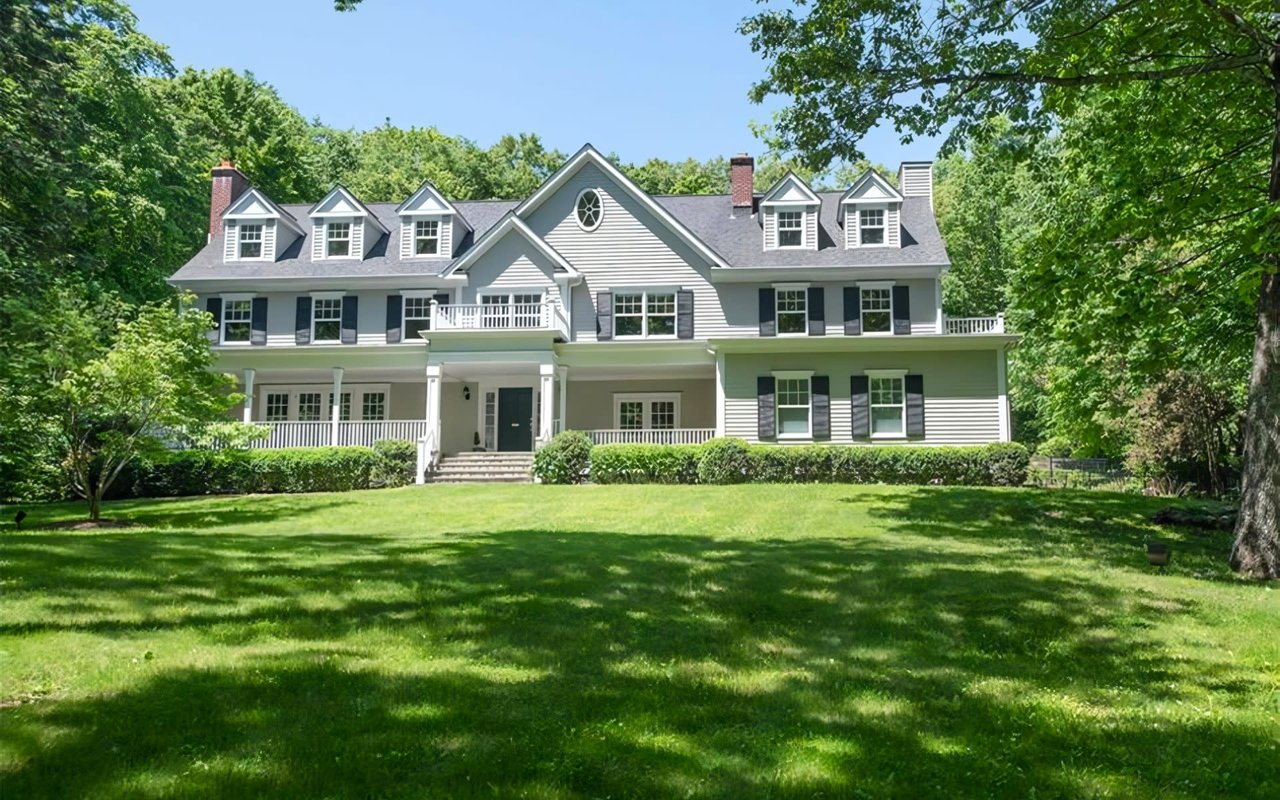
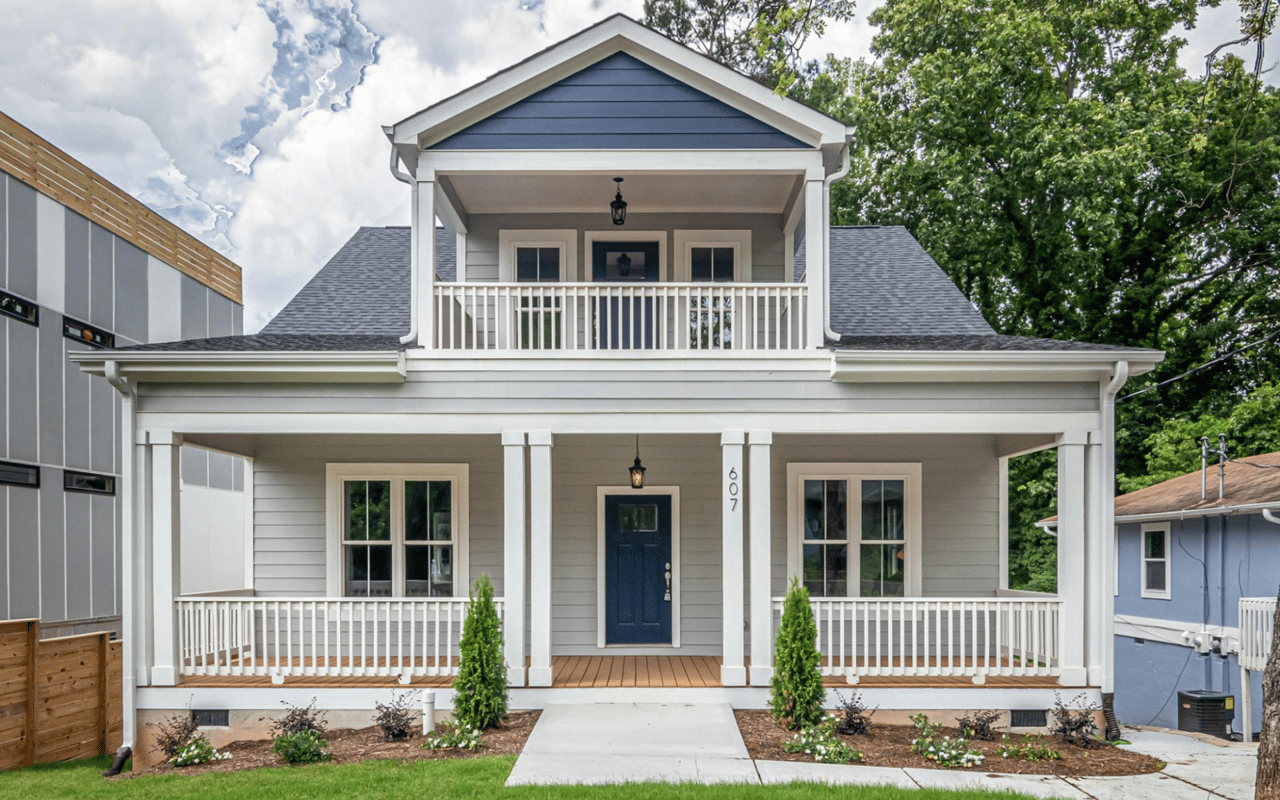
In New Canaan, where homes are built for living well and entertaining beautifully, your space already has what it takes to be the backdrop for an unforgettable evening. All it needs is a host with a plan and the confidence to pull it off. Use this guide, build your timeline, trust your menu, and focus on the people around your table. That's where the magic actually happens.
If you’re ready to find a standout home in New Canaan for all your hosting dreams, reach out to me, Fatou Niang.