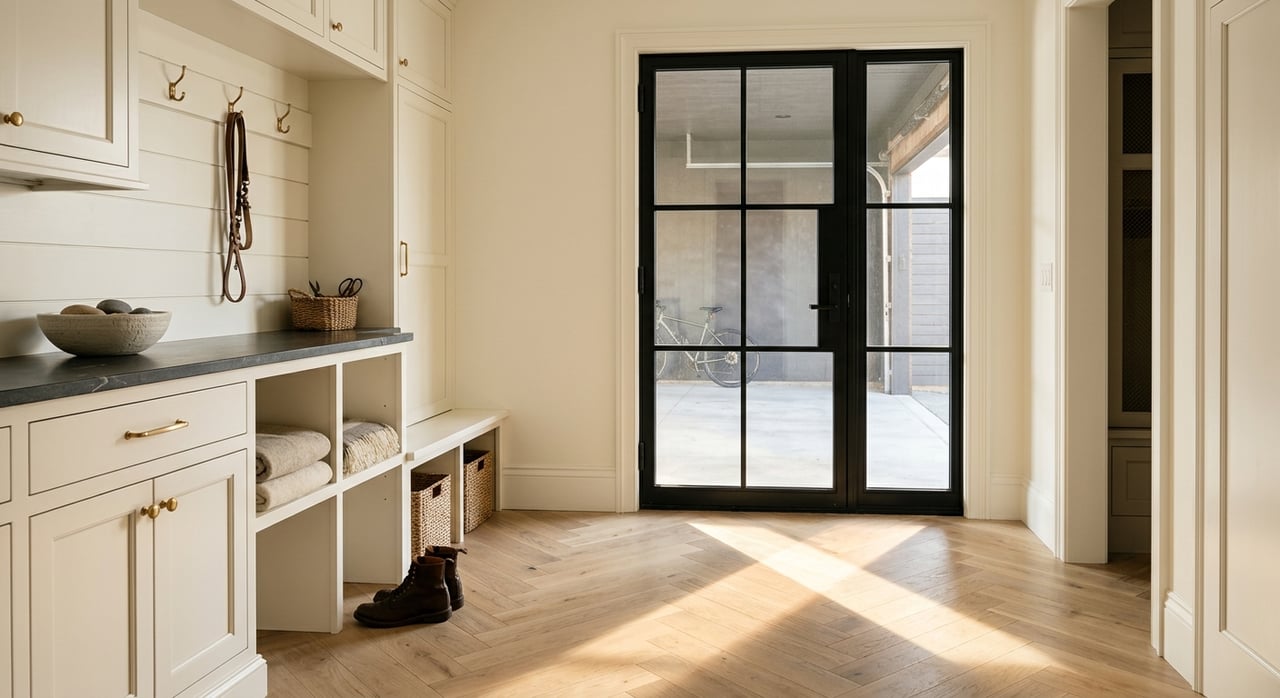
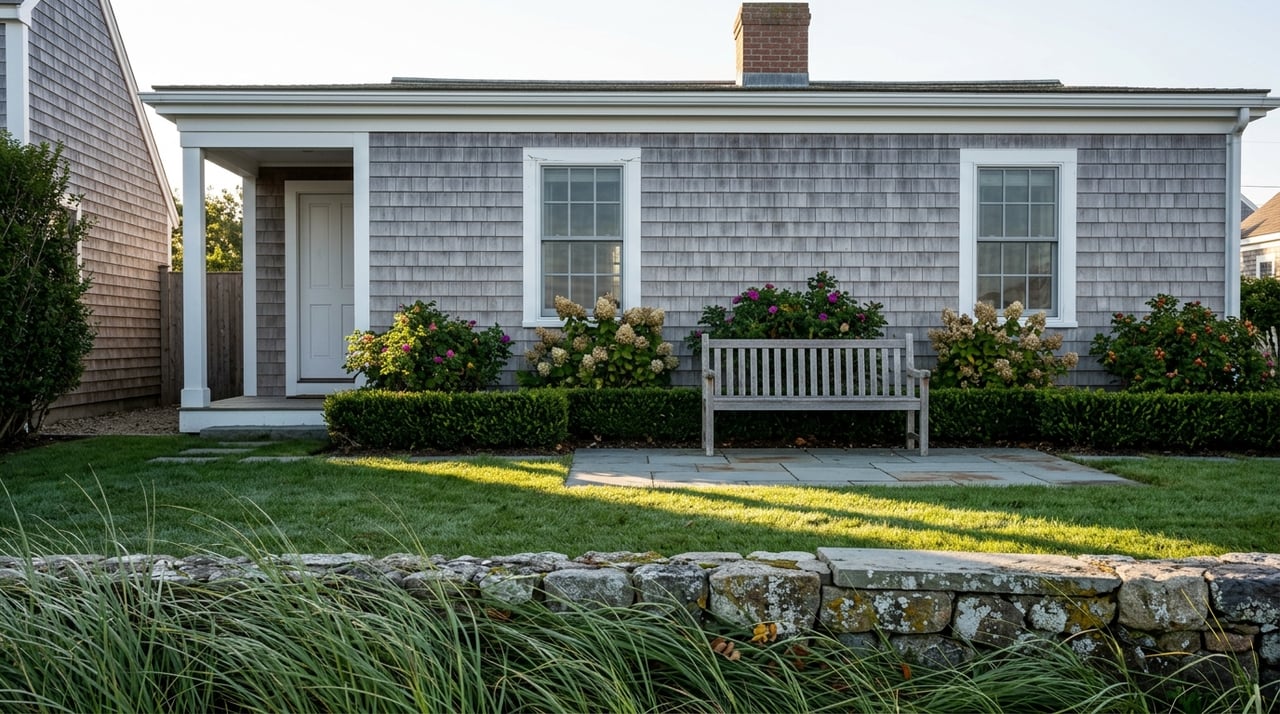
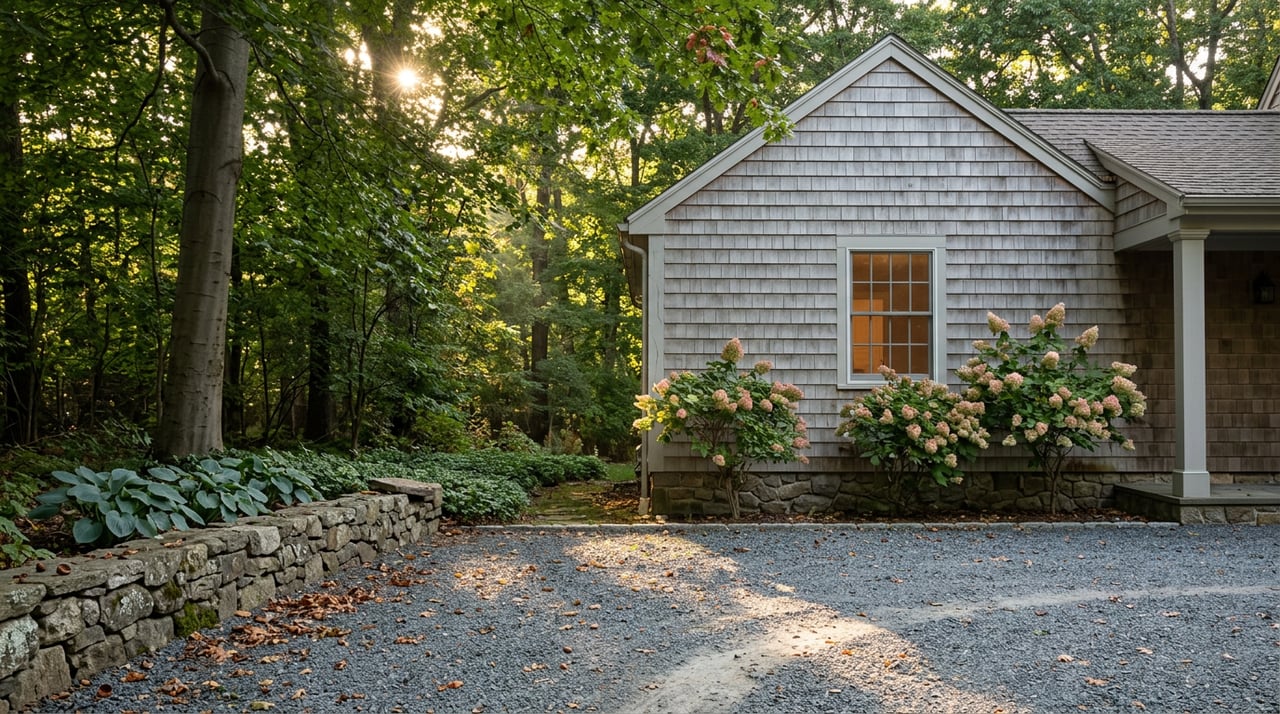
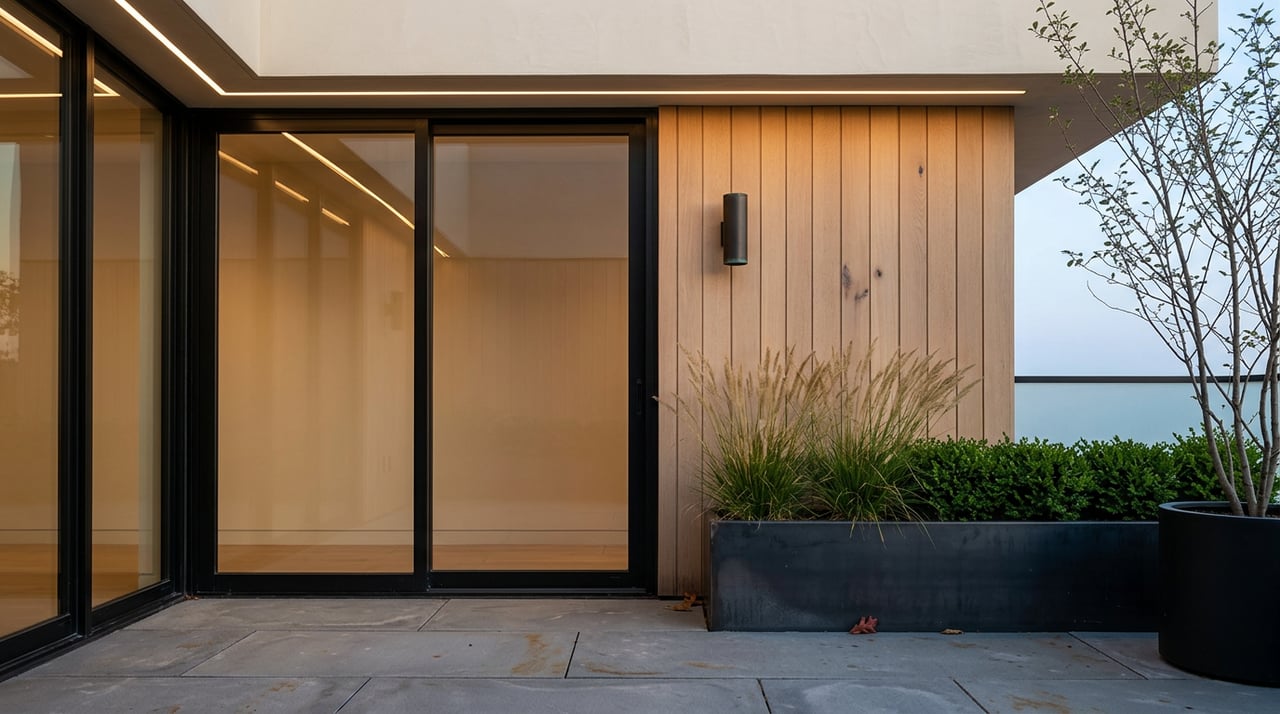
A successful home remodel in Fairfield County, CT requires defining a clear architectural vision, establishing a 10% to 20% emergency budget contingency, securing required municipal permits, and prioritizing functional layout flow. Partnering with licensed Connecticut contractors and focusing on durable, timeless materials ensures smooth execution and protects long-term property equity across New Canaan, Westport, Darien, and Greenwich.
Renovation Phase | Key Tactical Execution | Impact on Long-Term Resale Value |
|---|---|---|
1. Vision & Scope | Separate must-have functional needs from optional decorative upgrades. | Keeps renovation scope aligned with buyer expectations in luxury CT submarkets. |
2. Financial Planning | Establish an itemized budget with a mandatory 15% contingency reserve. | Absorbs unforeseen electrical, plumbing, or structural surprises without halting work. |
3. Permitting & Compliance | Secure proper municipal building, electrical, and plumbing permits. | Guarantees code compliance and eliminates closing obstacles during future property resale. |
4. Quality Execution | Invest in durable foundational elements like solid cabinetry and stone counters. | Reduces long-term maintenance costs and appeals strongly to discerning luxury buyers. |
Discover which home improvements yield the highest return on investment, connect with vetted Fairfield County contractors, and evaluate neighborhood market trends with Fatou Niang.
A home remodel is one of the most exciting and rewarding investments you can make in your property. Whether updating a luxury kitchen, remodeling a primary bathroom suite, or executing a full-scale interior layout transformation, a well-planned renovation aligns your home with your lifestyle while enhancing overall market value.
However, without rigorous pre-planning, renovations can quickly become stressful and expensive. Following structured remodeling protocols ensures your project proceeds smoothly from initial concept through final walkthrough. Learn more about hiring a remodeling contractor with Fatou Niang.
In high-value Fairfield County markets like New Canaan, Westport, and Greenwich, thoughtful design choices directly support property equity retention.
Every successful renovation begins with a clear scope definition. Distinguish essential structural and functional "must-haves" from optional aesthetic "nice-to-haves." Compiling design mood boards and material samples helps communicate your exact expectations to contractors, interior designers, and architects.
Research average renovation costs across your local submarket before finalizing contracts. An itemized budget should encompass building materials, contractor labor, municipal permit fees, and designer consultations.
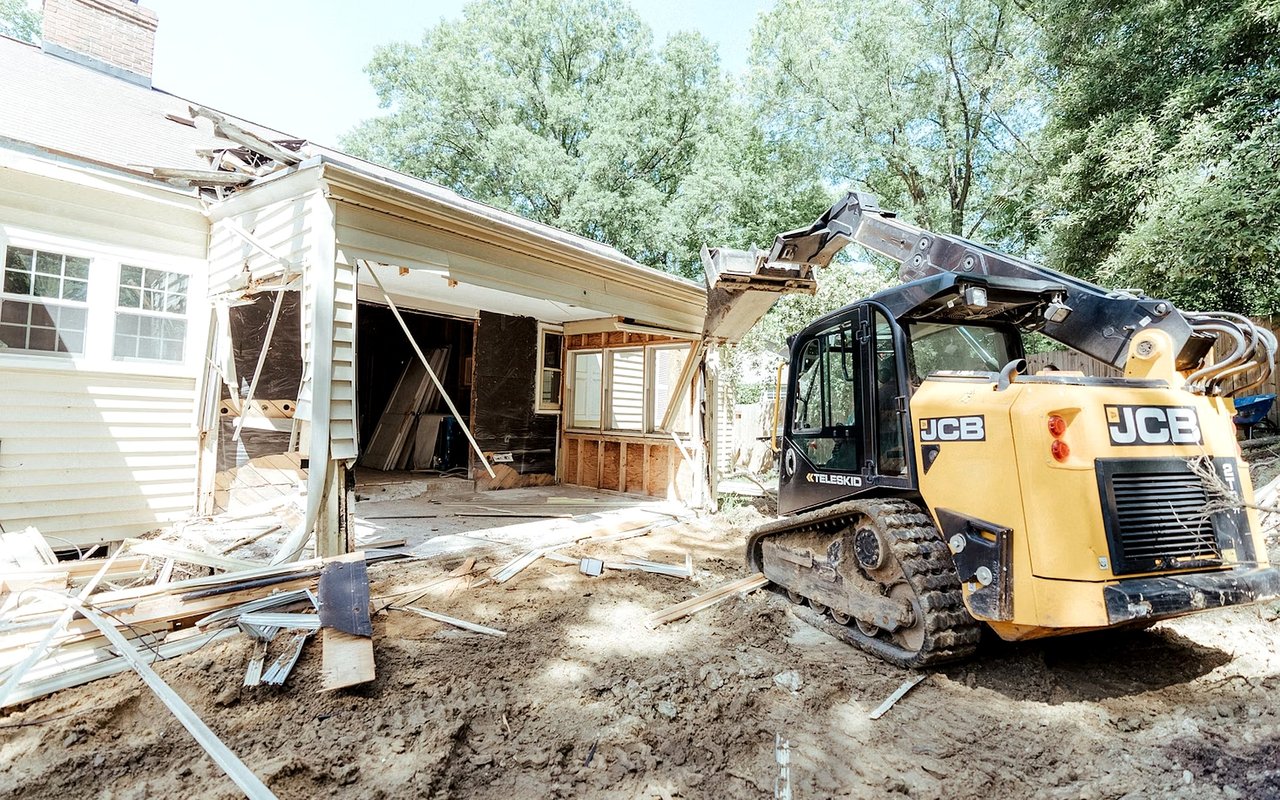
Always incorporate a dedicated 10% to 20% financial contingency fund. Demolition frequently uncovers hidden plumbing leaks, outdated electrical wiring, or framing repairs that require immediate attention before proceeding.
Verify that your contractor holds an active Home Improvement Contractor (HIC) registration with the Connecticut Department of Consumer Protection (DCP), alongside comprehensive liability and workers' compensation insurance.
Confirm that all required municipal building, electrical, and plumbing permits are pulled prior to starting demolition. Unpermitted work can result in municipal stop-work orders, steep fines, and severe complications during future real estate sales transactions.
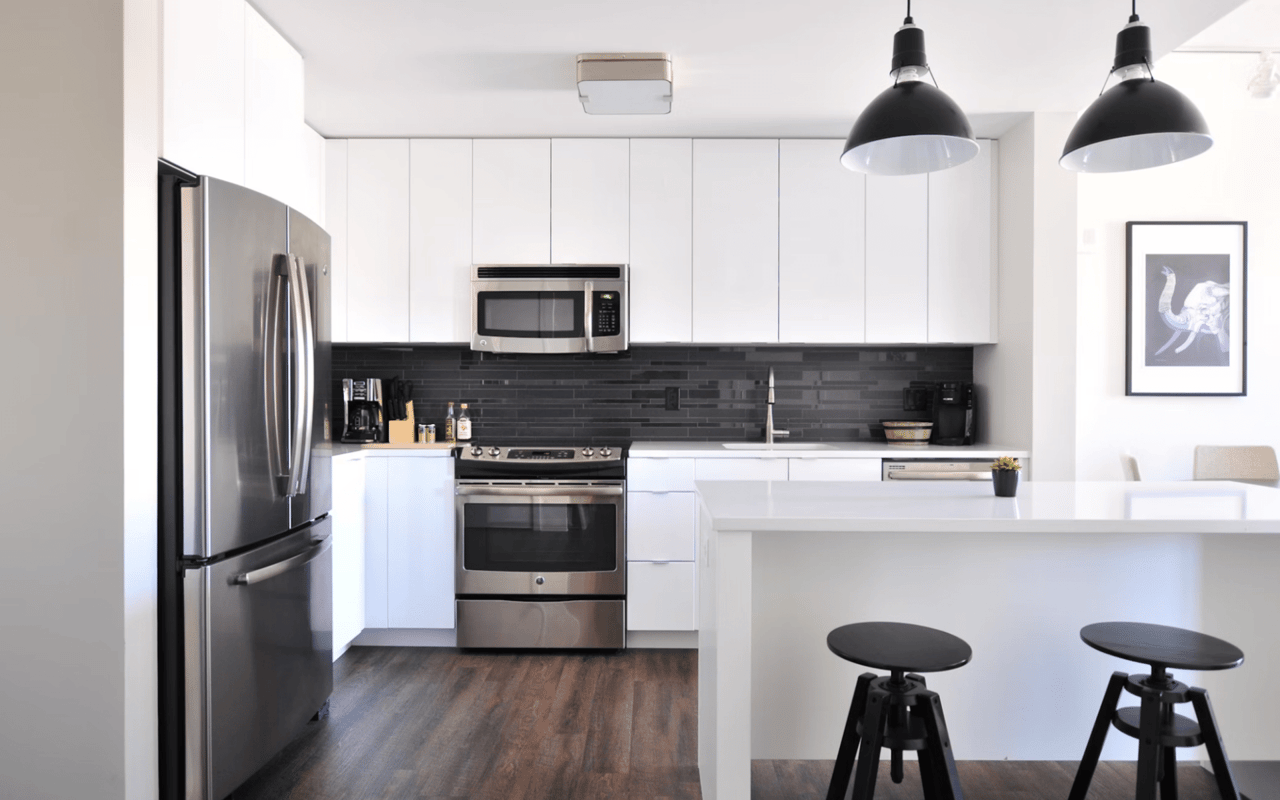
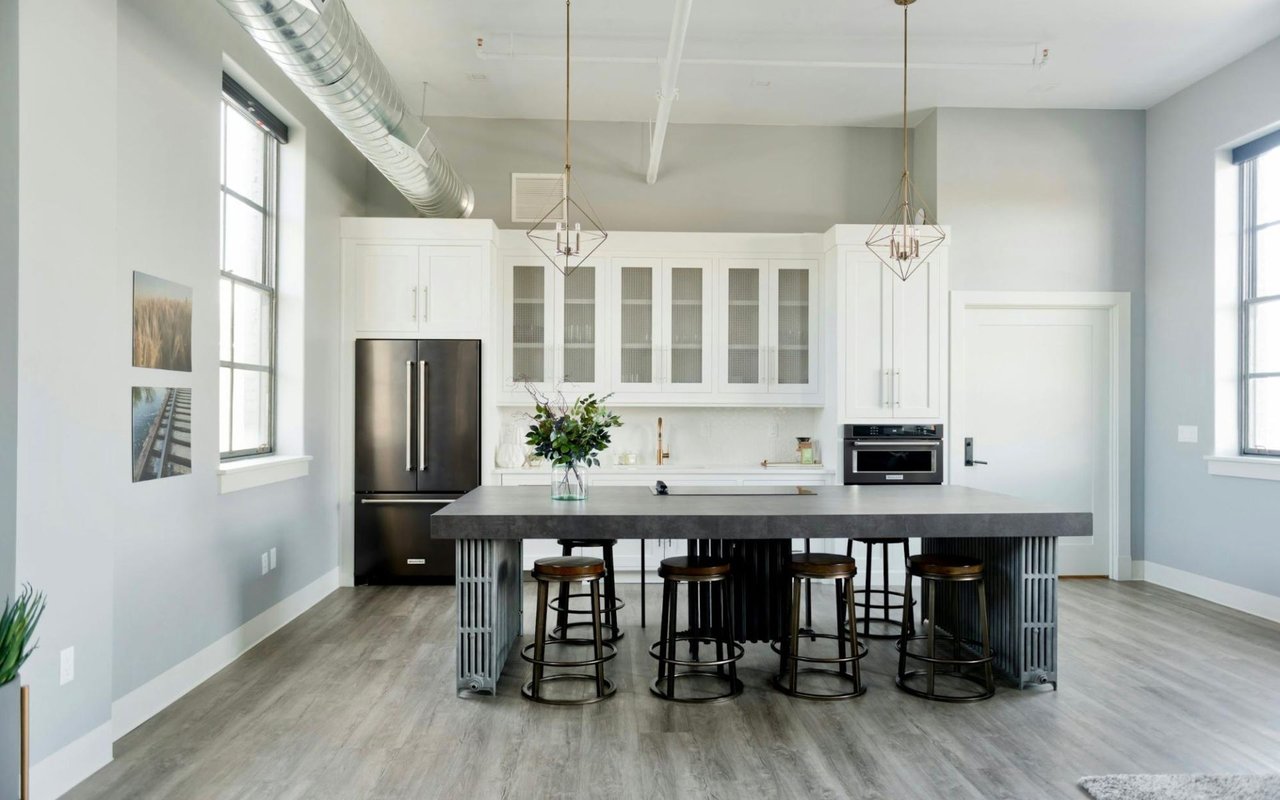
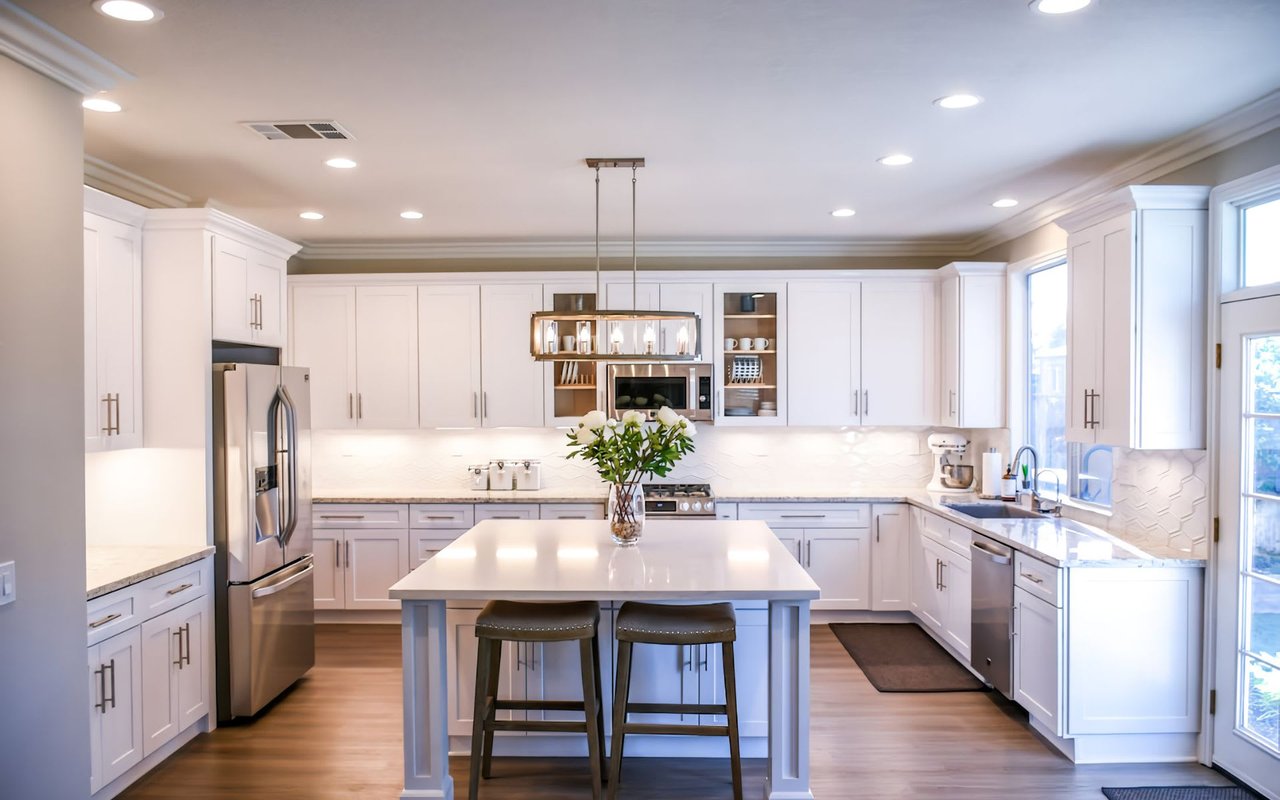
While visual aesthetics attract immediate attention, functional layout design determines everyday satisfaction. In kitchen renovations, optimize the work triangle between cooktop, sink, and refrigeration while maximizing counter space and custom storage. In bathroom remodels, prioritize high-capacity ventilation, layered lighting, and moisture-resistant tile materials.
Formulate a realistic construction schedule with your builder that accommodates potential material lead-time delays or weather interruptions. Investing in high-grade foundational materials-such as solid hardwood flooring, quartz or marble countertops, and solid wood cabinetry-drastically reduces long-term maintenance costs and enhances appeal for future luxury buyers.
Maintain consistent communication with your general contractor through weekly site check-ins. Ensure all scope modifications are documented via formal written change orders to avoid cost misunderstandings. Conclude your renovation with a thorough final walkthrough, compiling a detailed punch list of minor touch-ups before releasing final payment.
- Contractor Selection: Read our Contractor Hiring Guide.
- Inspection Process: Read our New Canaan Home Inspection Guide.
- Westport Neighborhoods: Explore our Westport CT Neighborhood Directory.
- Negotiation Advisory: Read our Real Estate Negotiation Guide.
Aligning renovation decisions with local buyer preferences ensures your capital investment generates maximum enjoyment and resale return. Fatou Niang provides homeowners across New Canaan, Westport, Darien, and Greenwich with strategic market insights and trusted local professional referrals.
For more local market resources, explore our Westport Neighborhood Directory, read our Seasonal Home Maintenance Checklist, or check our Real Estate Negotiation Guide.
Source Notes: Home remodeling ROI data, municipal permitting standards, and consumer protection guidelines verified via Connecticut Department of Consumer Protection (DCP), National Association of REALTORS® (NAR) Remodeling Impact Reports, and SmartMLS transaction indexes as of August 2026.
Fatou Niang is a premier Fairfield County real estate professional with William Pitt Sotheby's International Realty, representing buyers and sellers across New Canaan, Westport, Darien, Rowayton, and Greenwich. Combining extensive luxury market expertise, staging advisory, and deep local professional networks, Fatou consistently delivers exceptional real estate outcomes. Contact Fatou Niang today to discuss your real estate and remodeling goals.
Homeowners should budget a mandatory 10% to 20% contingency fund above total estimated construction costs to cover unexpected plumbing, electrical, or structural repairs discovered during demolition.
Yes. In Connecticut municipalities, permits are required for structural alterations, electrical wiring updates, plumbing relocations, and mechanical HVAC installations. Always confirm permitting requirements with your general contractor.
Kitchen modernizations, primary bathroom suite upgrades, open-concept floor plan reconfigurations, and energy-efficient mechanical updates consistently deliver top ROI in Fairfield County luxury submarkets.
To minimize delays, order long-lead materials (such as custom cabinetry and imported tile) early, pull all municipal permits before construction starts, and establish weekly progress check-ins with your general contractor.