Fairfield County Commuter Guide
Moving From NYC to New Canaan: A Commuter's Complete Guide
What should commuters know about moving from NYC to New Canaan, CT? The Metro-North New Canaan Branch provides direct and transfer train service via Stamford to NYC Grand Central Terminal in approximately 65 to 75 minutes. In-town neighborhoods offer walkable train station access, while West and East side estates offer 2-acre privacy.
If you are thinking about trading your NYC routine for more space in New Canaan, Connecticut, the commute is probably the first question on your mind. That makes sense, because relocating to lower Fairfield County is rarely just about obtaining additional square footage. It is about whether your weekday rhythm will feel smooth, predictable, and genuinely worth the change.
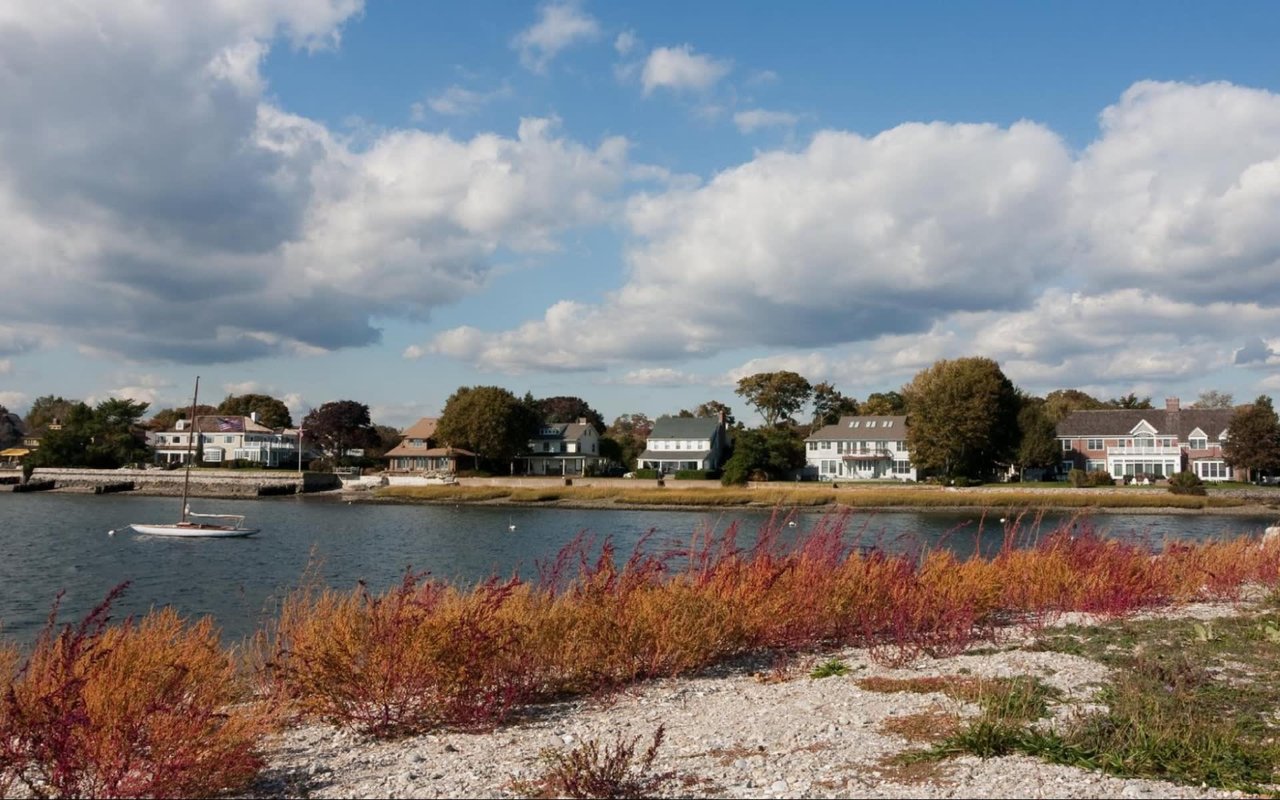
New Canaan stands out for buyers who want a more spacious home life without relinquishing seamless access to Manhattan. For many relocating professionals, the appeal extends beyond the Metro-North train line itself. It is the combination of a vibrant village center, daily commercial convenience, top-ranked public schools, and a established commuter pattern that supports a flexible or full-time NYC office schedule.
The town's physical layout enhances daily walkability. New Canaan's village core is reinforced by pedestrian-friendly infrastructure, featuring more than 20 miles of municipal sidewalks. Downtown pedestrian safety measures, including Rectangular Rapid Flashing Beacon (RRFB) crosswalks and seasonal in-street safety stanchions along Elm Street and Main Street, support a comfortable walk-to-train routine for residents living in-town.
Understanding Metro-North Railroad operations helps NYC buyers select the ideal New Canaan location for their daily schedule:
The Metro-North New Canaan Branch timetable provides service between New Canaan station (located at 199 Elm Street) and NYC Grand Central Terminal. Intermediate branch stops include Talmadge Hill, Springdale, Glenbrook, and Stamford. Peak morning trains offer direct express runs to Grand Central in approximately 65 to 70 minutes. Certain off-peak trips require a brief, coordinated cross-platform train connection at Stamford station.
The first listed weekday morning departure from New Canaan departs at 5:30 AM, arriving at Grand Central Terminal at 6:43 AM. Evening return service from Grand Central begins early, with the last listed late-night departure to New Canaan leaving Manhattan at 12:07 AM. This extended schedule accommodates early morning finance shifts, late-night client dinners, and evening Broadway performances with ease.
New Canaan is designated as Zone 31 on the Metro-North Railroad New Haven Line fare chart. Peak ticket pricing applies to weekday trains arriving at Grand Central between 6:00 AM and 10:00 AM, and trains departing Grand Central between 6:00 AM and 9:00 AM or 4:00 PM and 8:00 PM. Fares include:
- Monthly Commuter Pass: $334.75 ($349.50 effective July 2026)
- Weekly Ticket: $119.00 ($124.25 effective July 2026)
- 10-Trip Ticket: $170.00 Peak / $106.25 Off-Peak
- One-Way Ticket: $17.00 Peak / $12.50 Off-Peak
In New Canaan, home architecture and commute convenience are closely linked. Choosing the best location depends on how you want your weekday morning routine to function:
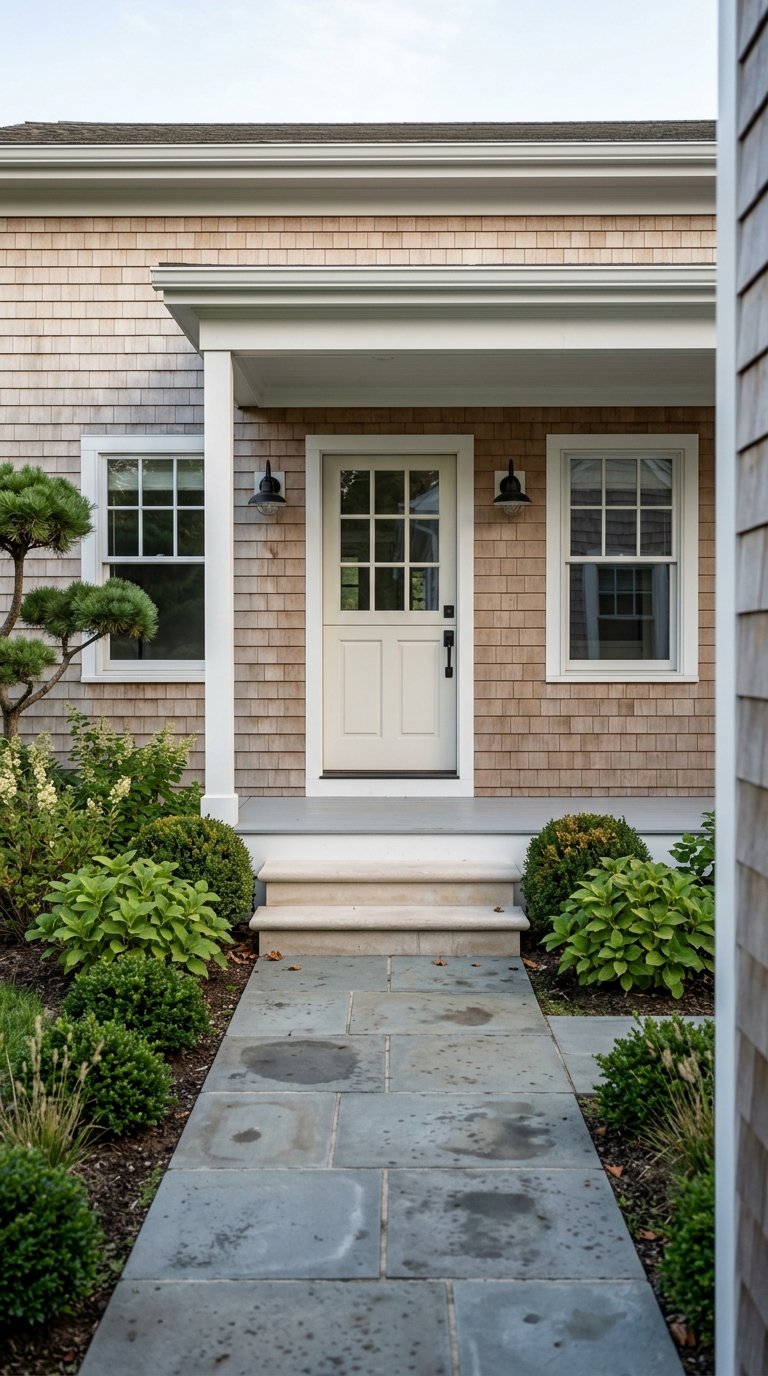
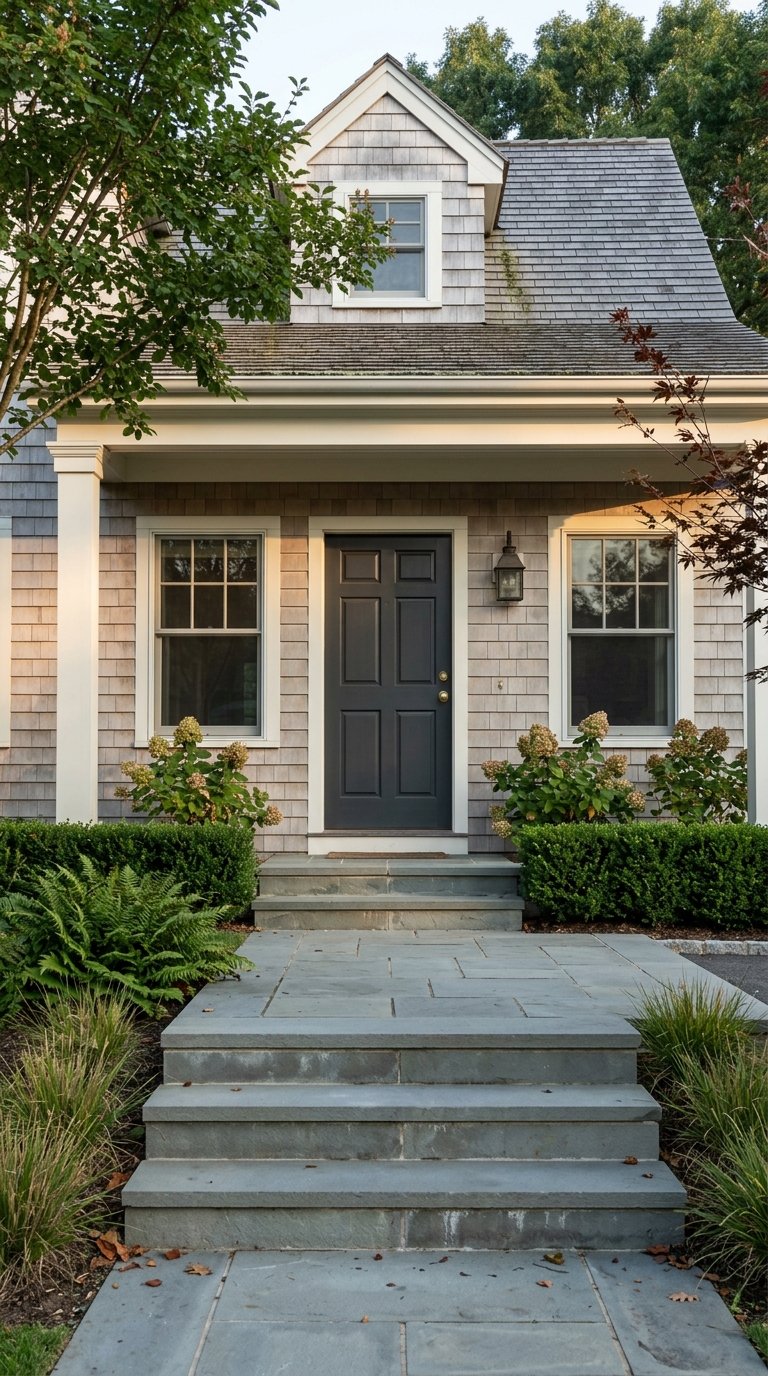
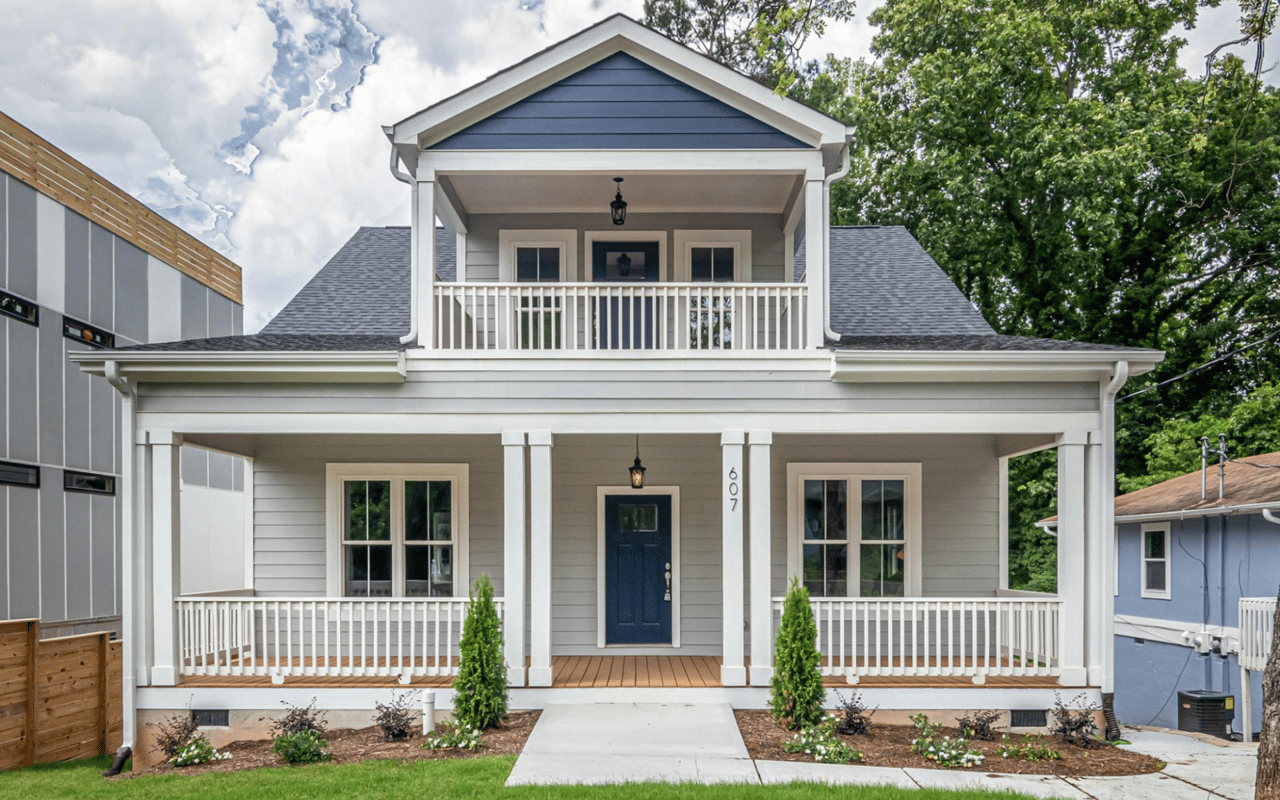
For buyers who prioritize a walk-to-train routine, In-Town neighborhoods located roughly between Farm Road and St. Mark's Church represent the gold standard. Featuring smaller historic lot sizes, sidewalled streets, and quick access to Elm Street restaurants and retail, In-Town properties allow commuters to walk to the 199 Elm Street station without worrying about station parking permits.
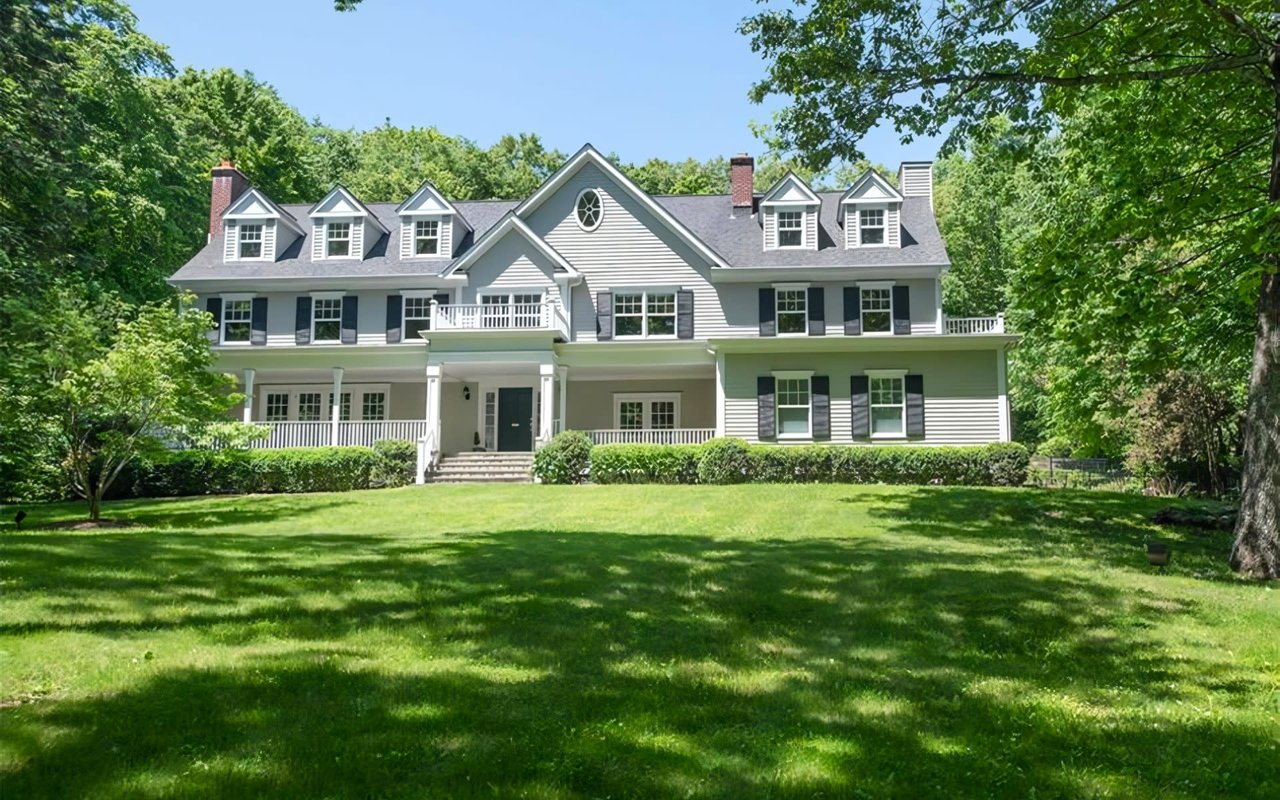
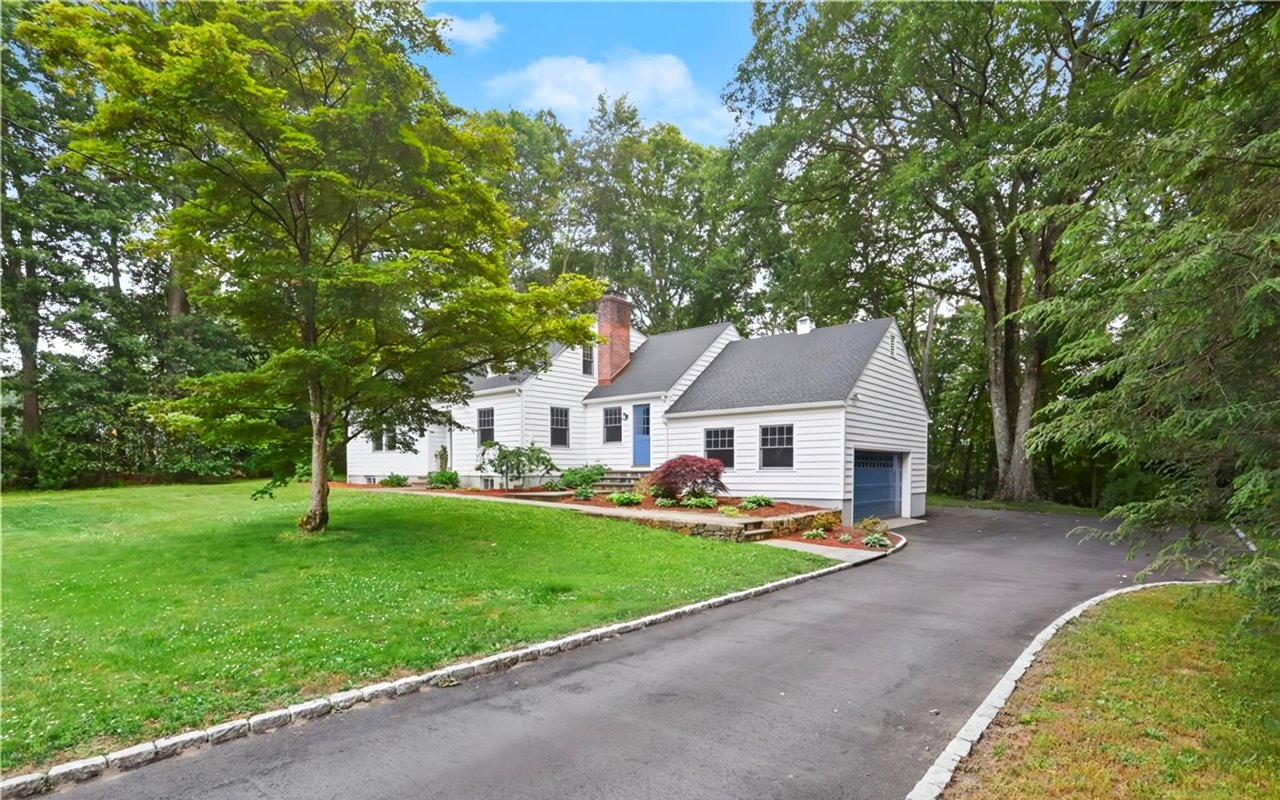
The West Side of New Canaan is home to Philip Johnson's famous Glass House, private reservoirs, country day schools, and protected nature preserves managed by the New Canaan Land Trust. Homes here sit on generous 2-acre or larger parcels, offering expansive grounds and seclusion. Commuters on the West Side typically drive 8 to 10 minutes to New Canaan station or commute directly to Stamford station for express main-line trains.
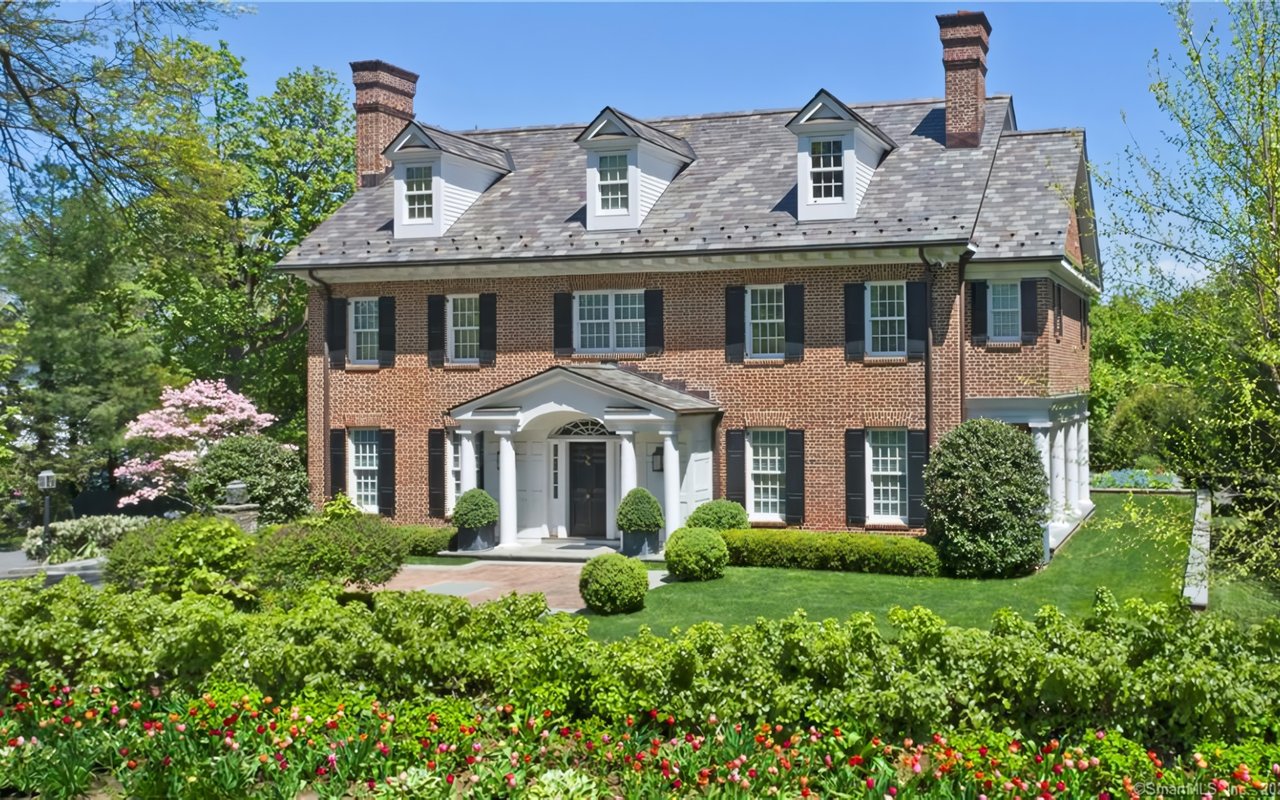
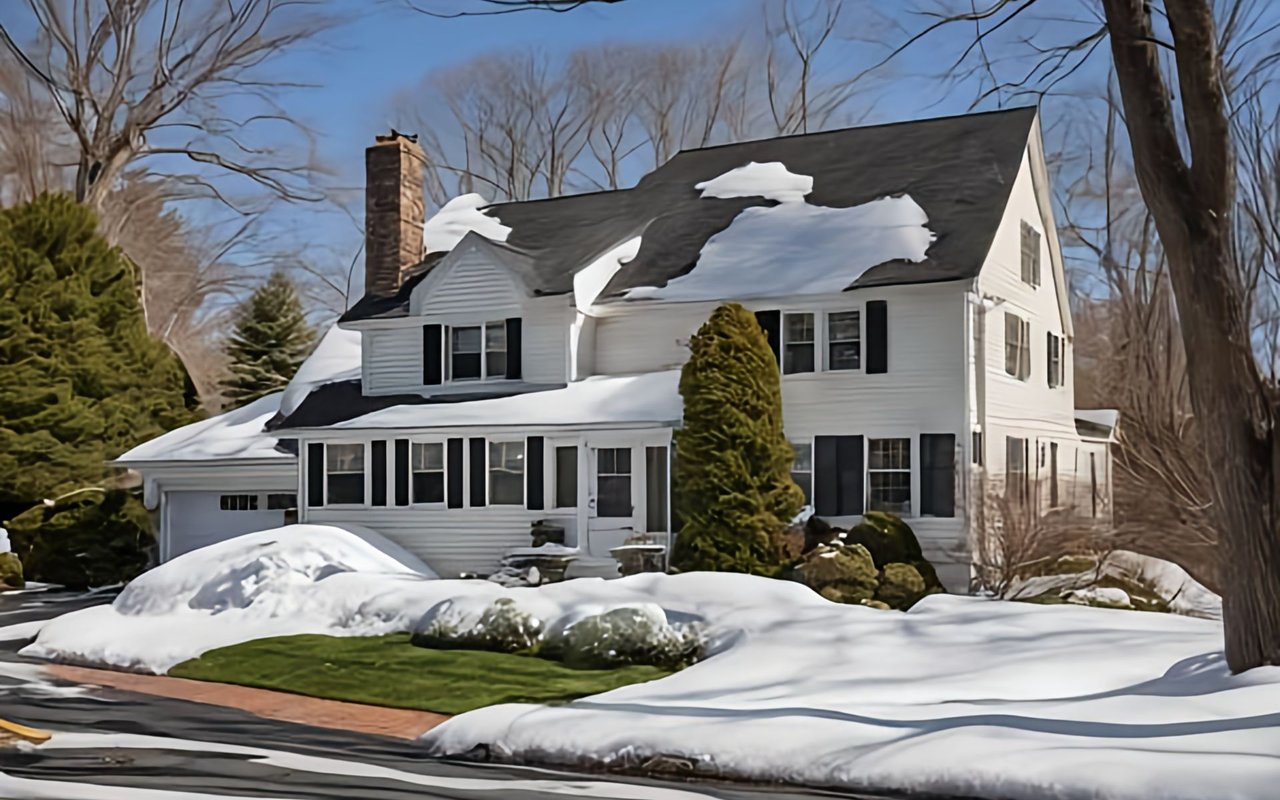
Positioned east of Smith Ridge Road (Route 123) and north of Route 106, the East Side features sweeping Georgian Colonials, equestrian facilities, and quiet residential cul-de-sacs. This setting appeals to buyers seeking classic suburban space, large backyards, and proximity to Silvermine Arts Center.
The most reliable relocation decisions are made on the ground rather than through online map estimates. Before making an offer on a New Canaan property, execute a full trial commute:
- Trial Morning Train Run: Drive or walk from the prospective property to New Canaan or Talmadge Hill station during actual Tuesday or Thursday morning peak rush hours.
- Evaluate Station Parking Options: Check permit waiting list status or daily meter parking availability at New Canaan station.
- Execute an Evening Return Trip: Take your typical evening return train from Grand Central to experience connection times and parking lot exit traffic.
Relocating families should also familiarize themselves with local school assignments and municipal planning guidelines:
- New Canaan Public Schools: Consistently ranked among the top public school districts in Connecticut, serving over 4,100 students across East Elementary, South Elementary, West Elementary, Saxe Middle School, and New Canaan High School.
- Historic District Commission Rules: Properties located within New Canaan's designated Historic District require a Certificate of Appropriateness from the Historic District Commission prior to initiating exterior alterations.
- Planning and Zoning Compliance: Properties undergoing expansion require zoning certificates of compliance ($200 fee, processed within 15 business days by the P&Z Department).
Exploring additional Fairfield County communities? Read our guides on Westport CT Real Estate and School Rankings, Weston CT Real Estate Guide, and What Move-In Ready Really Means.
Peak morning express trains on the Metro-North New Canaan Branch reach NYC Grand Central Terminal in approximately 65 to 70 minutes. Off-peak trains requiring a transfer at Stamford take roughly 75 to 80 minutes.
New Canaan is in Metro-North Zone 31. Monthly commuter tickets cost $334.75 ($349.50 effective July 2026), providing unlimited rides between New Canaan and Grand Central Terminal.
Yes. Homes located in In-Town New Canaan neighborhoods (within a half-mile radius of 199 Elm Street) offer sidewalk-lined walking routes directly to the train station and downtown shops.
New Canaan station is located downtown at 199 Elm Street with walkable town access. Talmadge Hill station is a secondary branch station situated near the Darien border, offering convenient parking for South New Canaan residents.
Parking permits at New Canaan station are issued through the Town of New Canaan Parking Bureau. Commuters can also utilize daily paid meter spaces via the ParkMobile smartphone application while waiting for annual permits.