By Fatou Niang
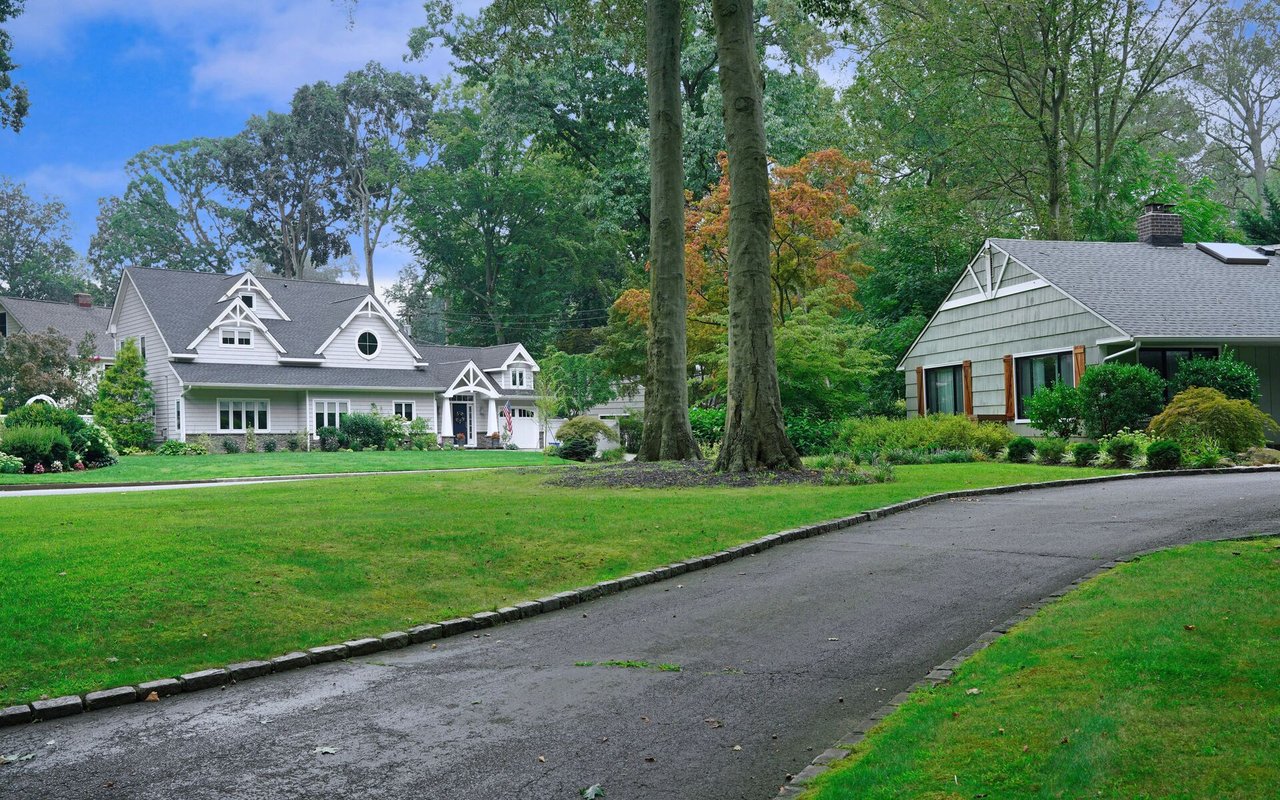
A home’s foundation rarely gets attention until something seems off, yet it quietly supports everything else you love about your house. In New Canaan, where homes range from 19th-century colonials to mid-century modern landmarks, a little seasonal care goes a long way toward keeping that foundation sound. Connecticut winters bring freeze-and-thaw cycles, and spring brings heavy rain, so the way water moves around your home matters more than most homeowners realize. Here’s a practical guide to the habits that protect your foundation and your home’s long-term value.
Key Takeaways
- Managing water around your home is the single most important part of foundation care.
- Connecticut code requires footings to extend 42 inches below grade to stay beneath the frost line.
- Seasonal checks in spring and fall help you catch small changes early.
- Older New Canaan homes may need extra attention to mortar, drainage, and basement moisture.
Why Does Water Matter So Much for Your Foundation?
Water matters most because soil that stays saturated or repeatedly freezes and thaws puts pressure on foundation walls over time. Keeping rain and snowmelt flowing away from the house is the simplest way to protect it.
In New Canaan’s wooded neighborhoods, falling leaves and mature trees make drainage maintenance especially important each fall.
Drainage Habits That Protect Your Home
- Cleaning gutters after the leaves drop in late fall keeps water from overflowing and pooling along the foundation.
- Extending downspouts several feet away from the house directs roof runoff into the yard rather than against the basement walls.
- Grading soil so it slopes away from the house helps rain and melting snow drain in the right direction.
- Testing your sump pump before spring, if your home has one, ensures it’s ready for the wettest months.
How Does Connecticut’s Climate Affect Your Foundation?
Connecticut’s cold winters affect foundations because water in the soil expands as it freezes, which is why the state building code requires footings to extend 42 inches below grade. Footings set below that depth stay beneath the frost line, where the ground doesn’t heave in winter.
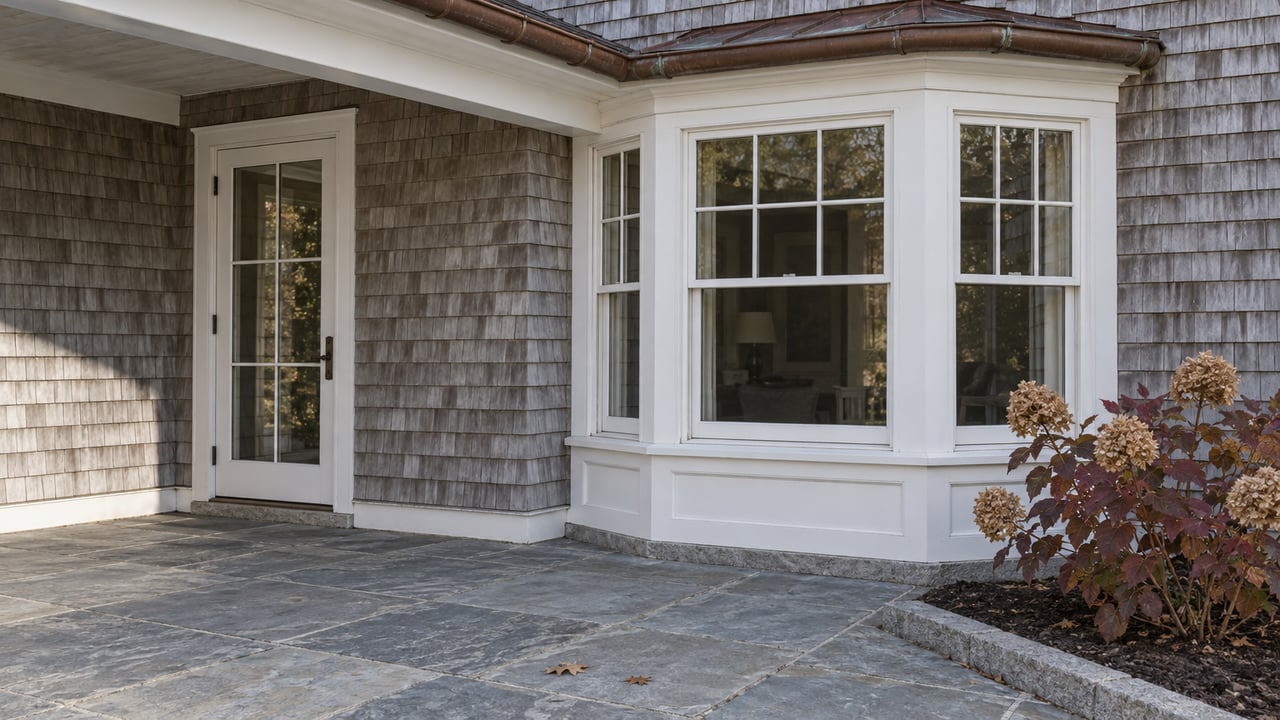
Additions, porches, and decks built later sometimes have shallower footings, so it’s worth knowing how each part of your home was built.
Seasonal Foundation Checklist
- Walking the perimeter each spring lets you spot new cracks, gaps, or areas where soil has settled.
- Checking basement walls and floors after heavy rain helps you catch moisture before it becomes a larger issue.
- Keeping snow piled away from the foundation in winter reduces the amount of meltwater soaking in next to the house.
- Noting doors or windows that suddenly stick can be an early sign worth having a professional look at.
What Should Owners of Older New Canaan Homes Know?
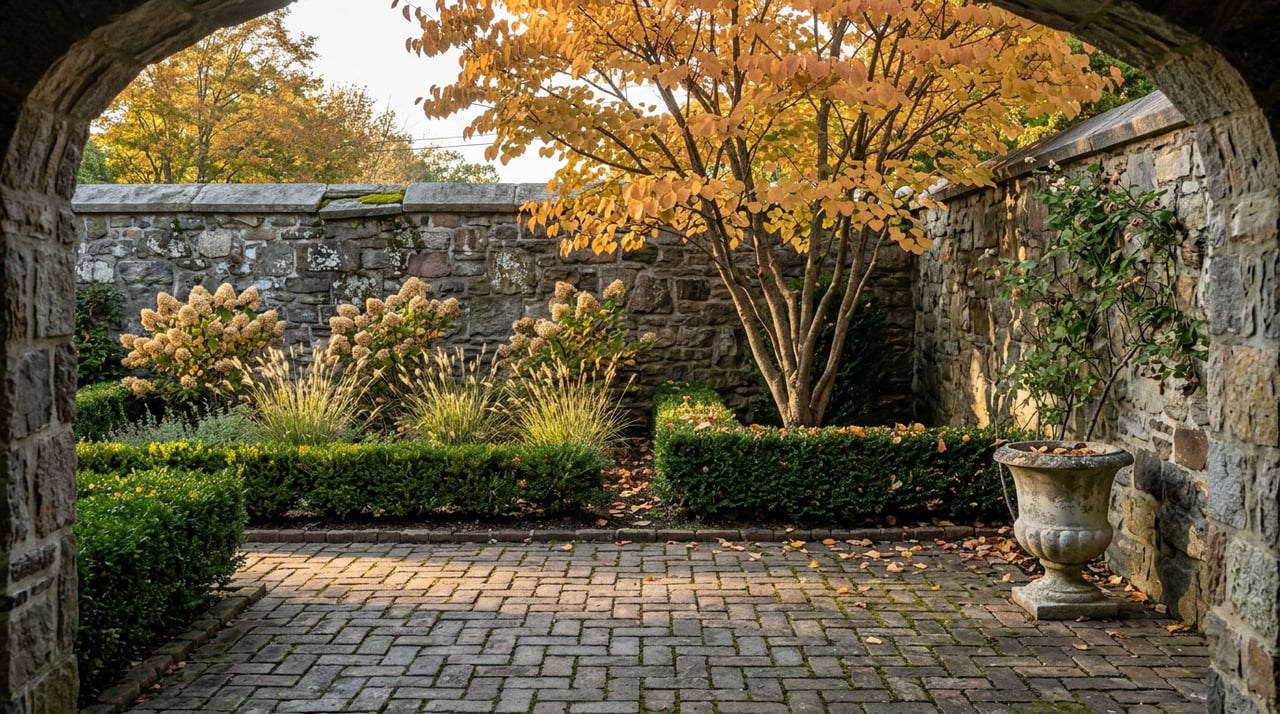
Owners of older New Canaan homes should know that historic foundations, such as stone or brick, often need different care than modern poured concrete. Mortar can wear over the decades, and older basements may have been built before modern waterproofing methods.
Working with contractors experienced in older homes helps you preserve the character of the house while keeping its foundation sound.
Care Tips for Historic Foundations
- Repointing worn mortar with a compatible mix helps stone and brick foundations stay strong without damaging the original materials.
- Using a dehumidifier in older basements keeps humidity in check and protects stored belongings.
- Planting shrubs and trees a comfortable distance from the house keeps roots and irrigation from crowding the foundation.
- Keeping records of inspections and repairs gives future buyers confidence in the home’s care.
Frequently Asked Questions
How do I know if a foundation crack is serious?
Thin hairline cracks are common as concrete cures and settles, but wide, growing, or horizontal cracks should be evaluated by a structural engineer. Taking dated photos helps you track any changes over time.
Should I have my foundation inspected before selling?
A pre-listing inspection can help you understand your home’s condition and address concerns before buyers see them. It also gives you more control over timing and repairs.
Does foundation maintenance affect my home’s value?
Yes, a well-maintained foundation reassures buyers and supports a smoother inspection. Documented care shows that the home has been looked after thoughtfully.
Contact Fatou Niang Today
Caring for your foundation is one of the best ways to protect your home’s value, whether you plan to stay for years or sell in the near future. I’m always happy to share trusted local resources and help you understand how your home’s condition fits into today’s market.
If you’re thinking about buying or selling in New Canaan, reach out to me, Fatou Niang, and let’s talk about your goals.