By Fatou Niang
There is something deeply rewarding and impactful about growing your own garden, whether that means a few containers of herbs on a back patio or a full raised-bed vegetable patch in the yard. For many homeowners in New Canaan, CT, the changing seasons create a natural rhythm for outdoor living, and getting into gardening is one of the most rewarding ways to connect with your property and the land around it. If you have been thinking about starting a home garden but are not sure where to begin, you are in the right place.
New Canaan's climate sits squarely in USDA Hardiness Zone 6b, featuring warm summers, crisp falls, and cold winters that reset the growing cycle. That seasonal structure is actually an advantage for beginner gardeners. It gives you a clear calendar to follow, natural built-in rest periods, and the opportunity to grow everything from spring lettuce and peas to summer tomatoes and zucchini to fall root vegetables. The key is understanding what works in this region and how to set yourself up for success from the start.
Key Takeaways
- Starting a garden at home begins with choosing the right location and understanding your local growing conditions.
- Raised beds and containers are excellent options for beginners in New Canaan's climate and soil conditions.
- Soil quality matters more than almost any other factor in gardening success.
- Starting with easy-to-grow plants builds momentum and keeps the experience enjoyable from the beginning.
- Consistent watering, mulching, and seasonal planning will carry your garden from year to year.
Choosing the Right Spot for Your Garden
Before you buy a single seed or shovel, spend a few days observing your yard. The most common mistake beginners make is choosing a location based on aesthetics or convenience rather than sunlight. Most vegetables and flowering plants need at least six to eight hours of direct sun per day to thrive. Walk through your yard at different times of day and note where the sun hits and for how long.
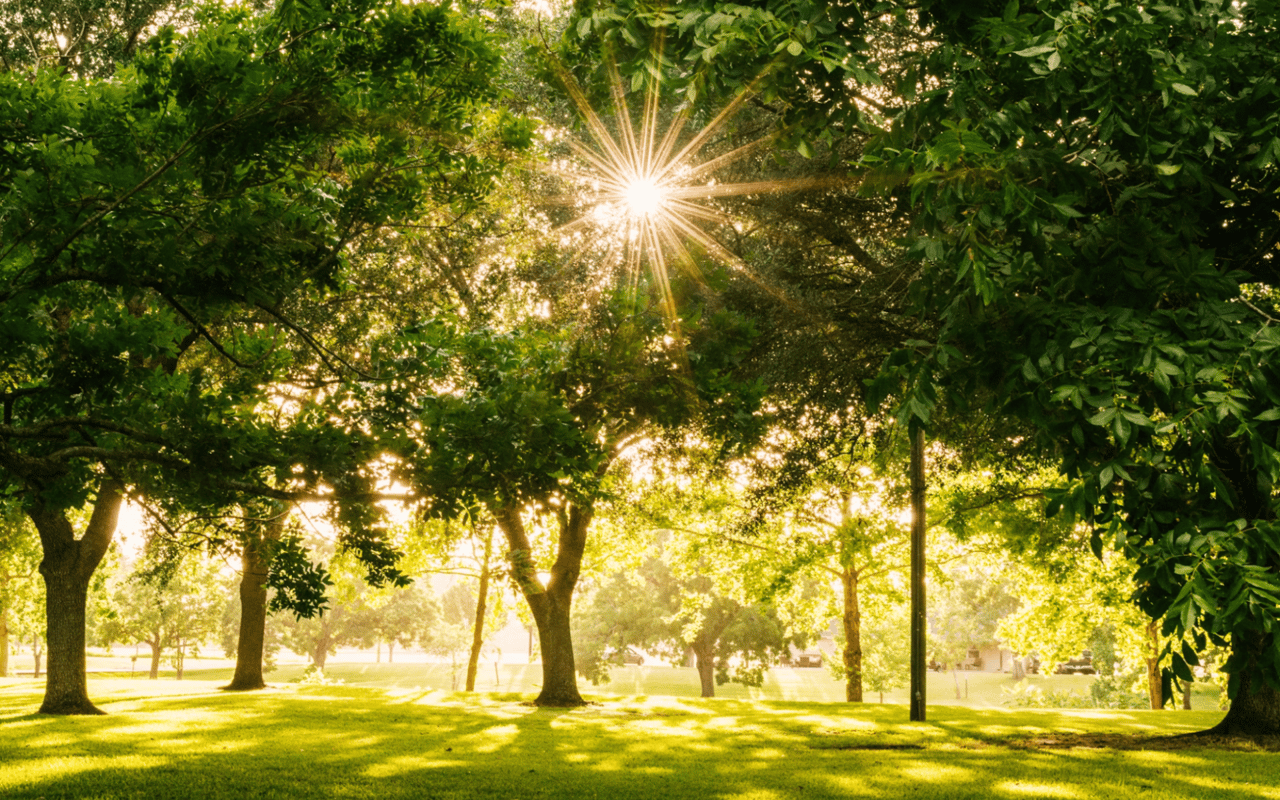
In New Canaan, many residential lots include mature trees that create shade patterns shifting throughout the season. What looks like a sunny patch in early spring may be heavily shaded by June once the canopy fills in. If you can, track your potential garden spot through early summer before committing, or ask neighbors who garden about their experience.
Water access is your other key consideration. You want to garden somewhere close enough to a hose or outdoor spigot that watering does not feel like a chore. Lugging a watering can across your yard is fine once or twice but can become discouraging quickly, especially in the heat of July and August when your plants need consistent moisture.
What To Look For in a Garden Location
- At least six hours of direct sun daily, with eight hours preferred for vegetables.
- Proximity to a water source so that watering is quick and convenient.
- Level or gently sloping ground, since steep slopes cause water runoff and uneven moisture distribution.
- Enough space to grow what you want without crowding, keeping in mind that plants need airflow to stay healthy.
- Protection from strong prevailing winds, which can stress plants and dry out soil faster.
Understanding Soil and How To Prepare It
Soil is the foundation of everything. You can do everything else right and still struggle if your soil is compacted, nutrient-poor, or poorly draining. In New Canaan, native soil tends to be clay-heavy in many areas, which holds moisture but can suffocate roots if it does not drain adequately. Before planting anything, it is worth doing a simple soil test, which you can get through a local garden center.
A soil test tells you your pH level, nutrient content, and organic matter percentage. Most vegetables prefer a pH between 6.0 and 7.0. If your soil is too acidic or alkaline, you can amend it with lime (to raise pH) or sulfur (to lower it). The results will also tell you if your soil is lacking in nitrogen, phosphorus, or potassium, which are the three primary nutrients plants need.
If you are starting with a raised bed, you have an advantage: you fill it with fresh, blended growing medium rather than working with whatever native soil you have. A quality raised bed mix combines topsoil, compost, and an aerating material, such as perlite or aged wood chips. This gives you a head start that in-ground gardeners have to work toward over several seasons.
How To Improve Your Soil Before Planting
- Add two to three inches of compost to your bed and work it into the top six inches of soil.
- Avoid tilling when soil is wet, since tilling compacted, saturated soil destroys its structure.
- Use a cover crop, such as clover or winter rye, to add organic matter and protect soil between growing seasons.
- Mulch around plants once they are in the ground to retain moisture and suppress weeds.
- Retest your soil every two to three years so that you can adjust amendments as your garden matures.
What To Plant as a Beginner in New Canaan
One of the most important things you can do as a first-time gardener is resist overcomplicating your plant selection. A smaller, well-tended garden of easy growers will reward you far more than an overly ambitious spread of difficult varieties. Start with plants that are forgiving, productive, and well-suited to Connecticut's growing season.
In New Canaan, your last frost date typically falls around mid-April, and the first fall frost usually arrives in mid-October. That gives you roughly a six-month window for outdoor growing. Warm-season crops, such as tomatoes, cucumbers, basil, and zucchini, go in the ground after the last frost. Cool-season crops, such as lettuce, spinach, kale, radishes, and peas, can be planted four to six weeks before the last frost in spring and again in late summer for a fall harvest.
Herbs are among the easiest and most rewarding plants for beginners. Basil, parsley, chives, and mint grow quickly, produce all season, and get used in the kitchen in real time. Mint spreads aggressively, so it is worth growing it in a container rather than directly in a bed.
Easy-To-Grow Plants for First-Time Gardeners
- Cherry tomatoes, which are more forgiving than beefsteak varieties and produce abundantly from July through September.
- Zucchini and summer squash, which grow quickly and yield heavily with minimal maintenance.
- Lettuce and salad greens, which are ideal for spring and fall and can be harvested repeatedly by cutting outer leaves.
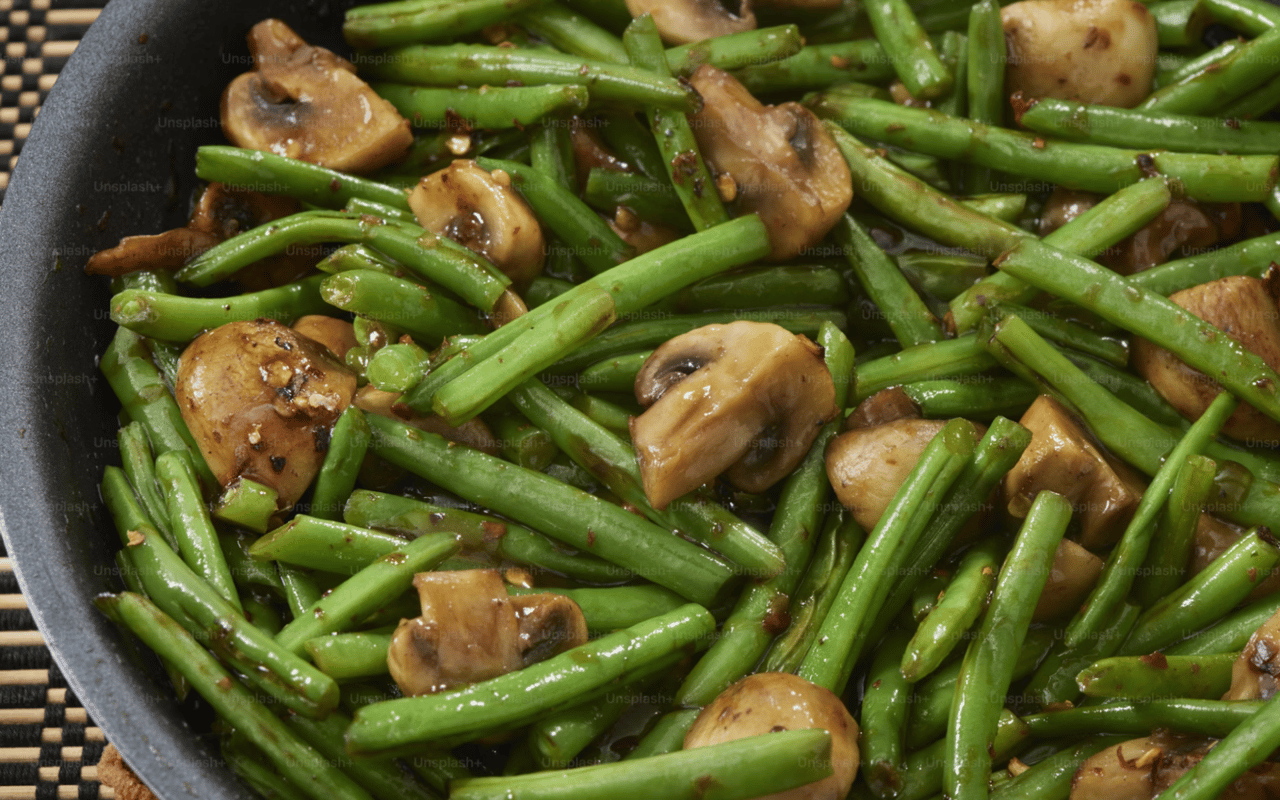
- Green beans, which are simple to direct-sow and produce prolifically in New Canaan's summer heat.
- Sunflowers, which are easy from seed, require minimal care, and add visual height and pollinator activity to any garden.
Watering, Mulching, and Seasonal Maintenance
Once your garden is planted, the ongoing work is mostly about consistency. Watering is the area where most beginners go wrong, either overwatering or watering too infrequently. Most vegetable gardens need about one inch of water per week, either from rainfall or supplemental irrigation. The best time to water is in the morning so that foliage has time to dry before evening, which reduces the risk of fungal issues.
Mulching is one of the highest-return habits in gardening. A two- to three-inch layer of straw, shredded leaves, or wood chips around your plants does several things at once: it slows moisture evaporation, moderates soil temperature, suppresses weeds, and adds organic matter as it breaks down. In New Canaan's warm summers, mulching can mean the difference between daily watering and watering every two to three days.
As the season progresses, spend a few minutes each week walking through your garden. Remove yellowed or damaged leaves, pull weeds before they set seed, and keep an eye out for common pests, including aphids, cucumber beetles, and caterpillars. Catching problems early keeps them manageable.
Seasonal Garden Maintenance Checklist
- In spring, amend soil with compost, test pH, and start cool-season crops as soon as the ground is workable.
- In early summer, transplant warm-season seedlings after the last frost and apply mulch to all beds.
- In midsummer, water consistently, stake tall plants, and fertilize heavy feeders, such as tomatoes and squash.
- In fall, direct-sow a second round of greens, pull spent plants, and add compost to recharge beds before winter.
- In late fall, plant spring bulbs, apply a layer of mulch to protect soil, and store any tools or irrigation supplies.
FAQs
What Is the Best Time To Start a Garden in New Canaan, CT?
The ideal time depends on what you want to grow. Cool-season crops, such as lettuce, kale, and peas, can go in the ground as early as late March or early April. Warm-season vegetables, such as tomatoes, peppers, and cucumbers, should wait until after the last frost, typically mid-April. Many gardeners start warm-season seeds indoors six to eight weeks before transplanting outdoors.
Do I Need Raised Beds, or Can I Garden Directly in the Ground?
Both approaches work well, and the right choice depends on your soil conditions and how much you want to invest upfront. Raised beds give you full control over soil quality and tend to warm up faster in spring, which is an advantage in New Canaan's climate. In-ground gardening is less expensive to start but may require more soil amendment work, especially in areas with heavy clay.
How Do I Keep Pests Out of My Garden Without Using Harsh Chemicals?
Row covers, companion planting, and hand-picking are the most effective low-chemical strategies. Planting marigolds alongside vegetables deters many common pests. Floating row covers protect young transplants from insects early in the season. Checking plants regularly means you catch infestations before they get out of hand.
Grow Where You Are
Starting a garden at home is one of the most tangible investments you can make in your property and your daily life. In New Canaan, where the seasons are distinct and the natural landscape is beautiful, having a garden connects you to your home in a way that few other projects can. The learning curve is real, but so is the reward. By the second season, you will understand your yard in a way you simply did not before.
If you are exploring properties in the New Canaan area and want a yard with real gardening potential, I would love to help you find it. Reach out to me, Fatou Niang, to start the conversation.