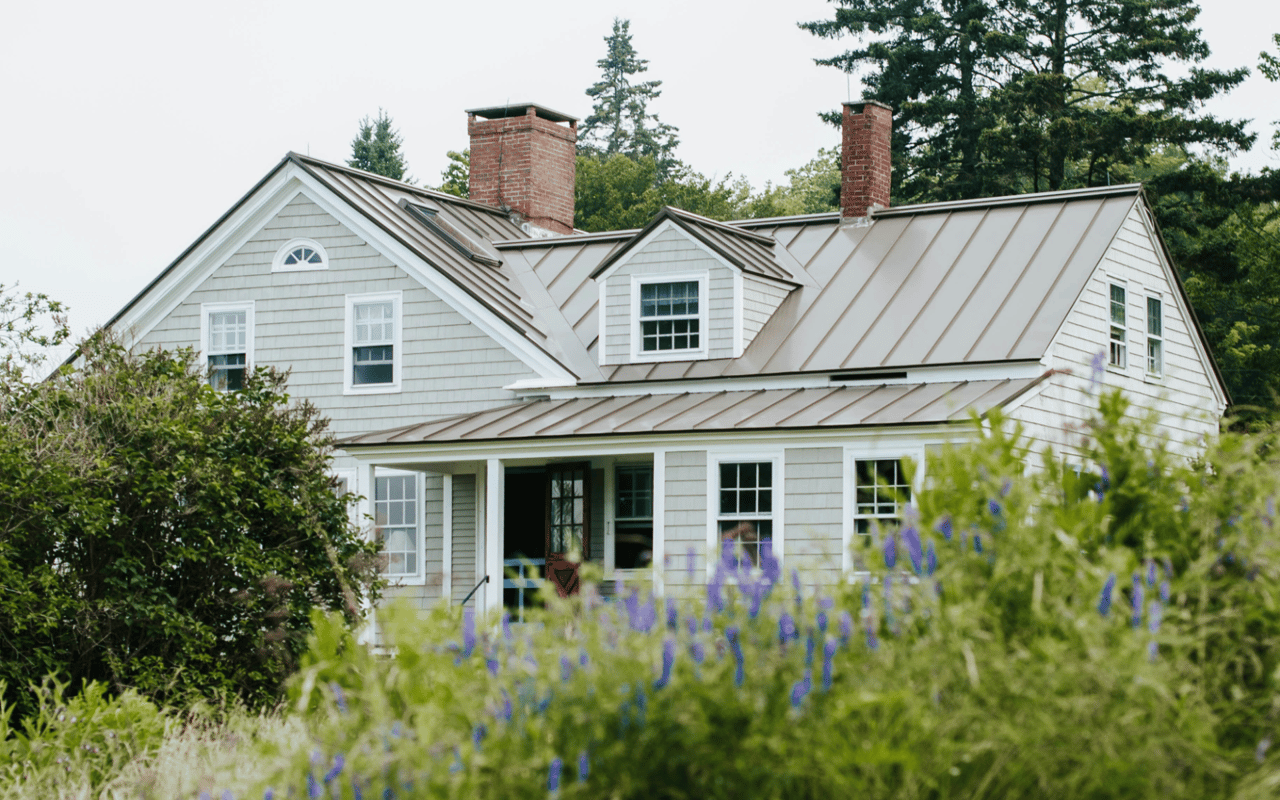
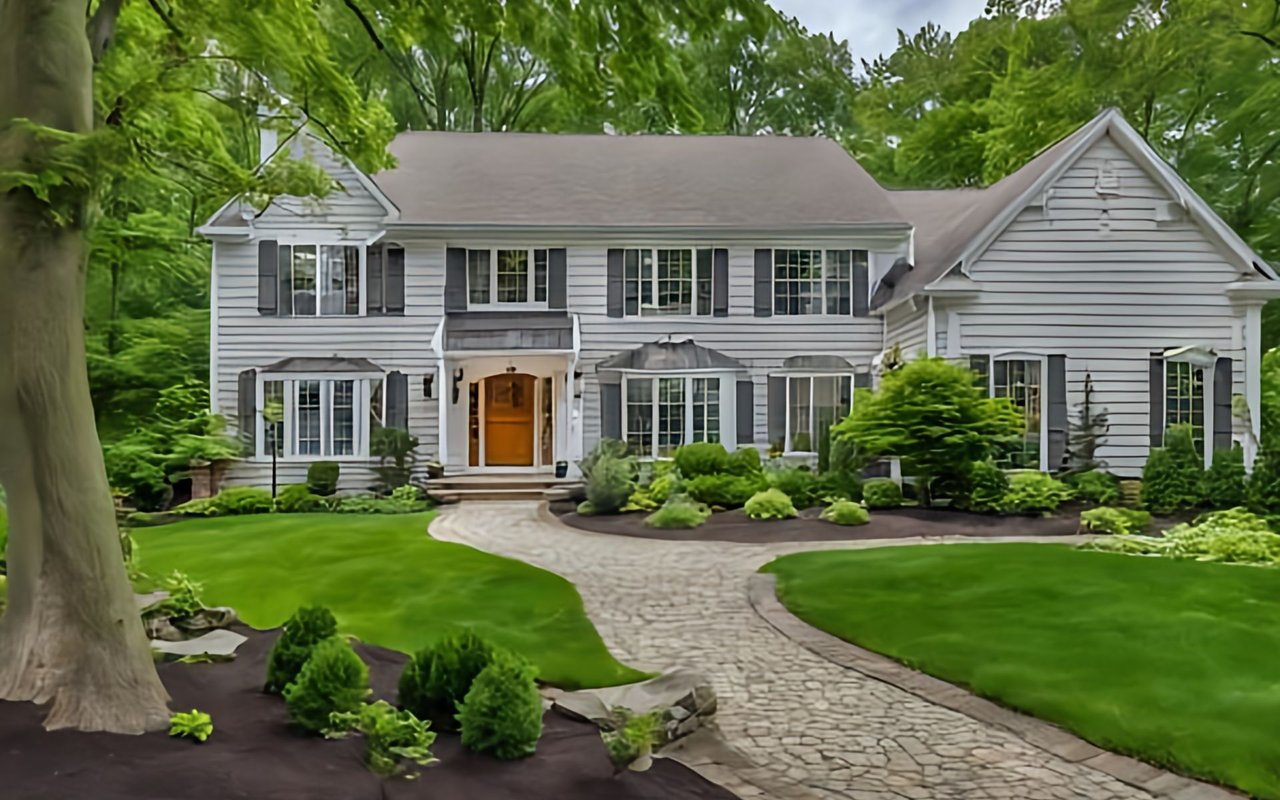
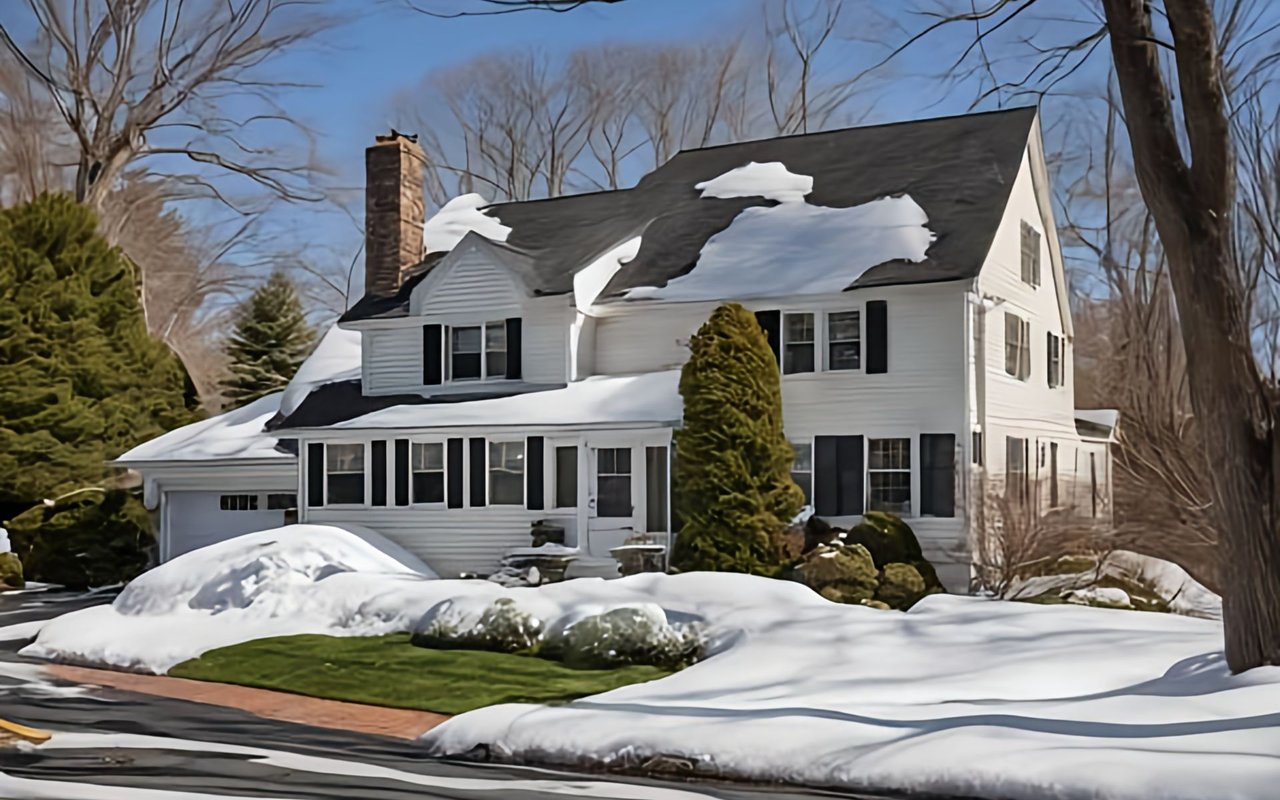
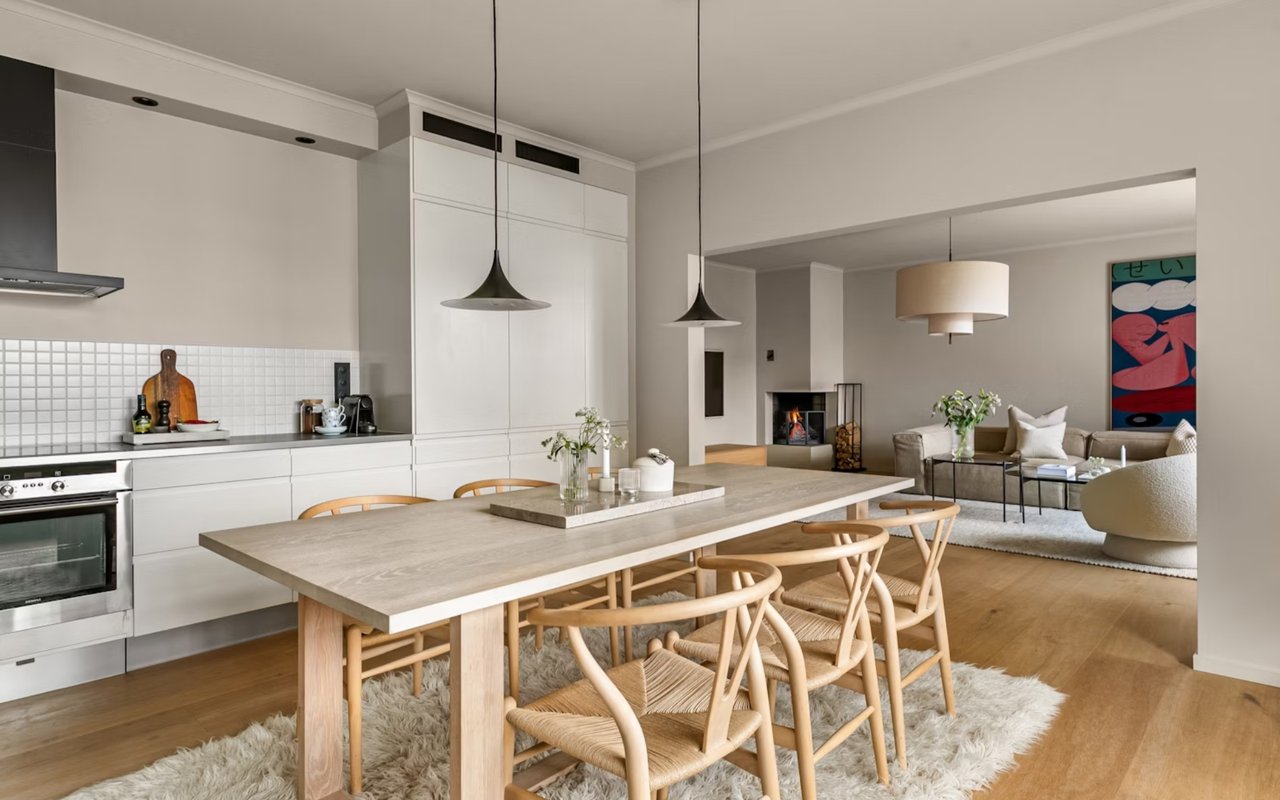
If you are searching for a luxury home in Greenwich, one detail can shape your entire experience before you even step inside: architectural style. The way a home looks, flows, and connects to its setting often tells you as much as the square footage or address. In Greenwich, that matters even more because the town offers an unusually wide range of luxury home styles, from classic Colonials to coastal Shingle homes to sleek contemporary builds. Understanding those differences can help you buy with more confidence, sell with better positioning, and plan renovations more thoughtfully. Let’s dive in.
Why Greenwich Architecture Stands Out
Greenwich offers remarkable architectural variety for one market. A February 2026 Greenwich Time snapshot noted at least 11 architectural styles in town, with Colonials making up the majority of inventory and contemporary homes becoming more visible.
That variety is not just cosmetic. The Town of Greenwich also has three Local Historic Districts, eight Local Historic Properties, more than 90 Historic Overlay Zone properties, 282 Landmark Series homes, and 35 National Register properties and districts. For you, that means style, history, and renovation potential often intersect in important ways.
Colonial Styles Lead the Market
Why Colonials remain the backbone
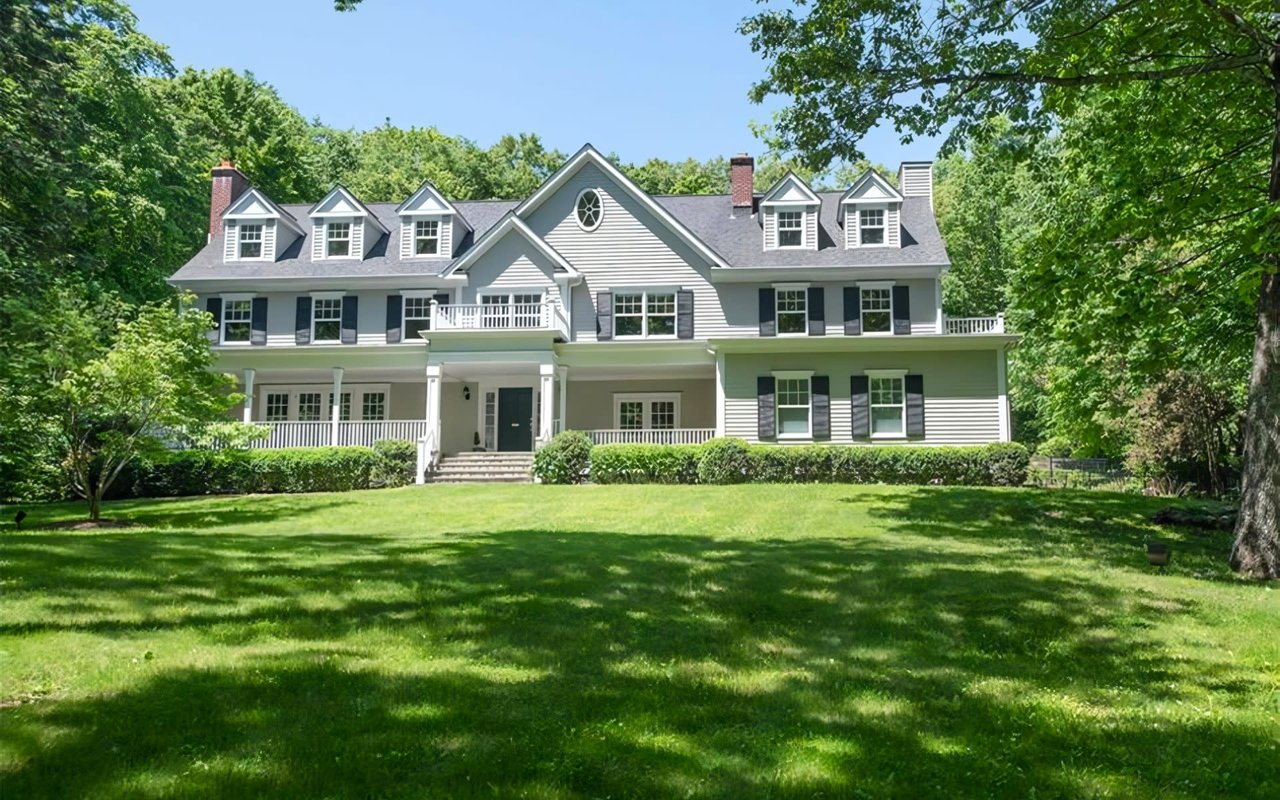
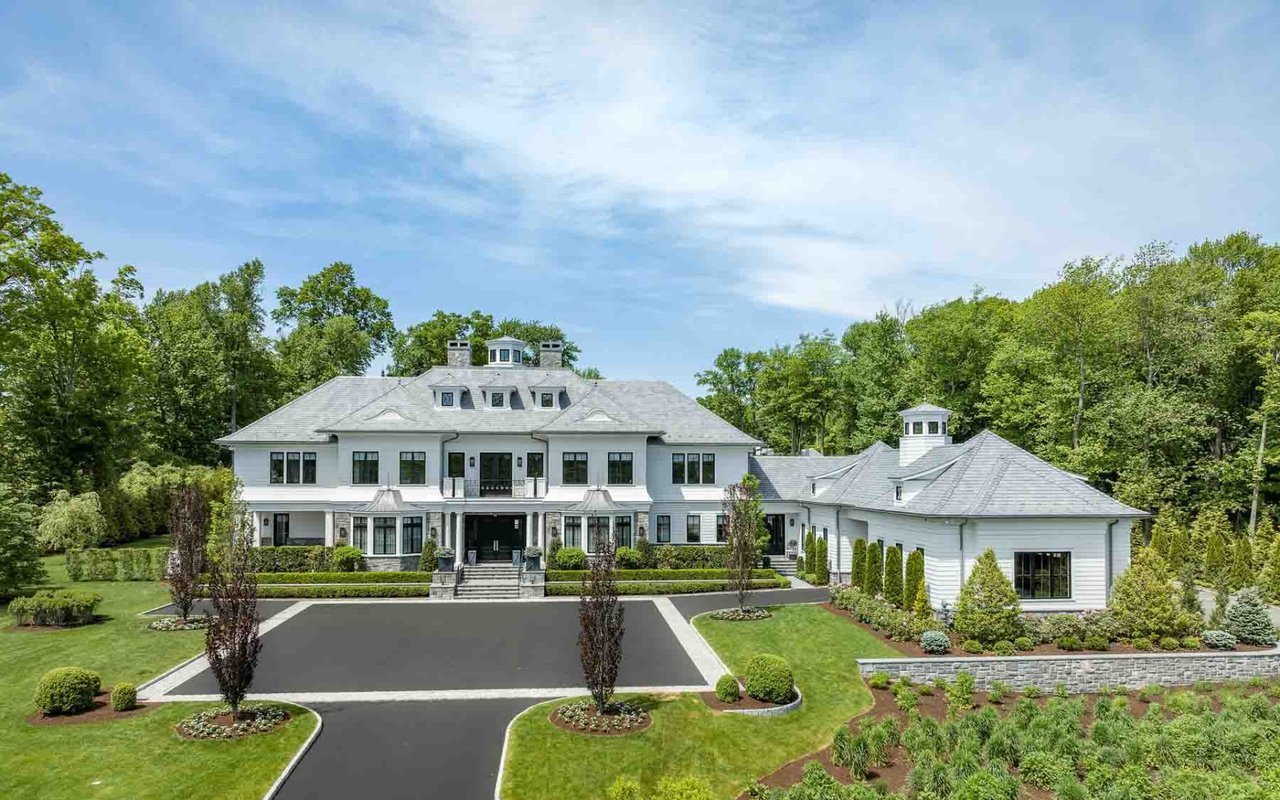
Colonial and Colonial Revival homes are the dominant visual language in Greenwich luxury real estate. According to local market reporting, colonials still represent the majority of inventory, which makes them the style many buyers and sellers will encounter first.
These homes appeal to buyers because they feel familiar, balanced, and adaptable. Their symmetry and room hierarchy often make them easy to understand at a glance, which can be a real advantage when you are comparing properties in a competitive market.
How to recognize a Colonial Revival home
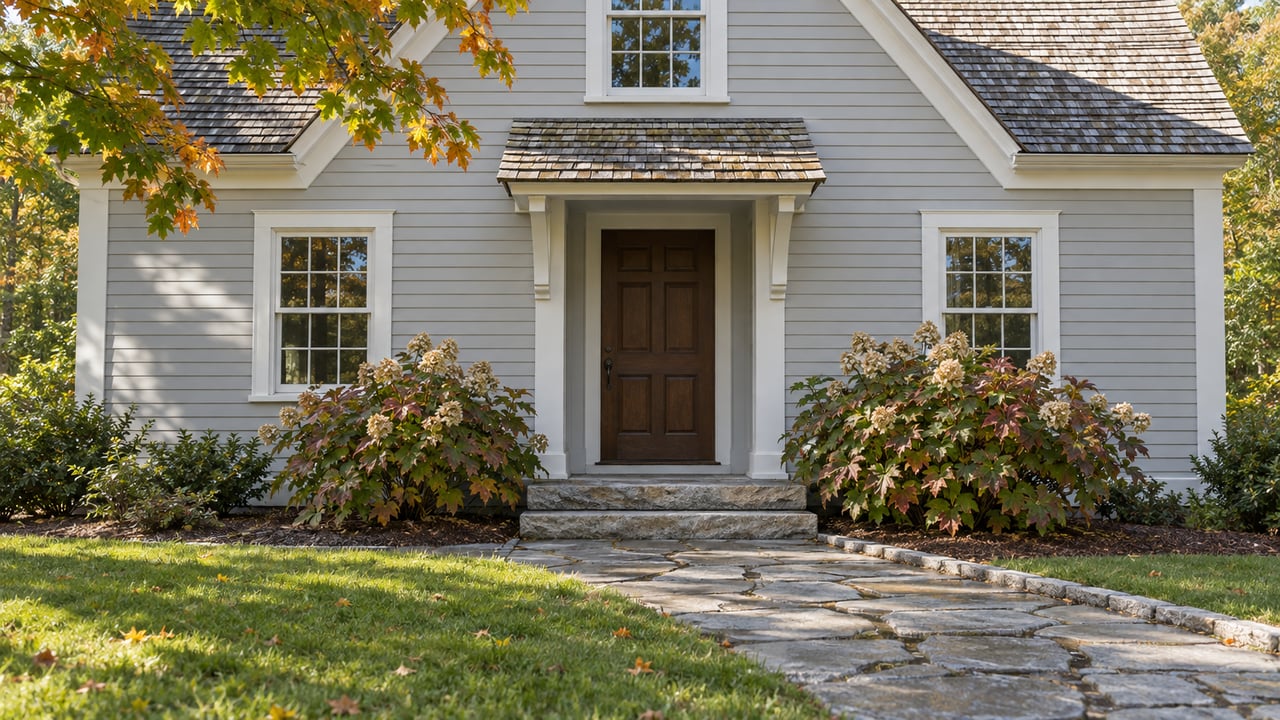
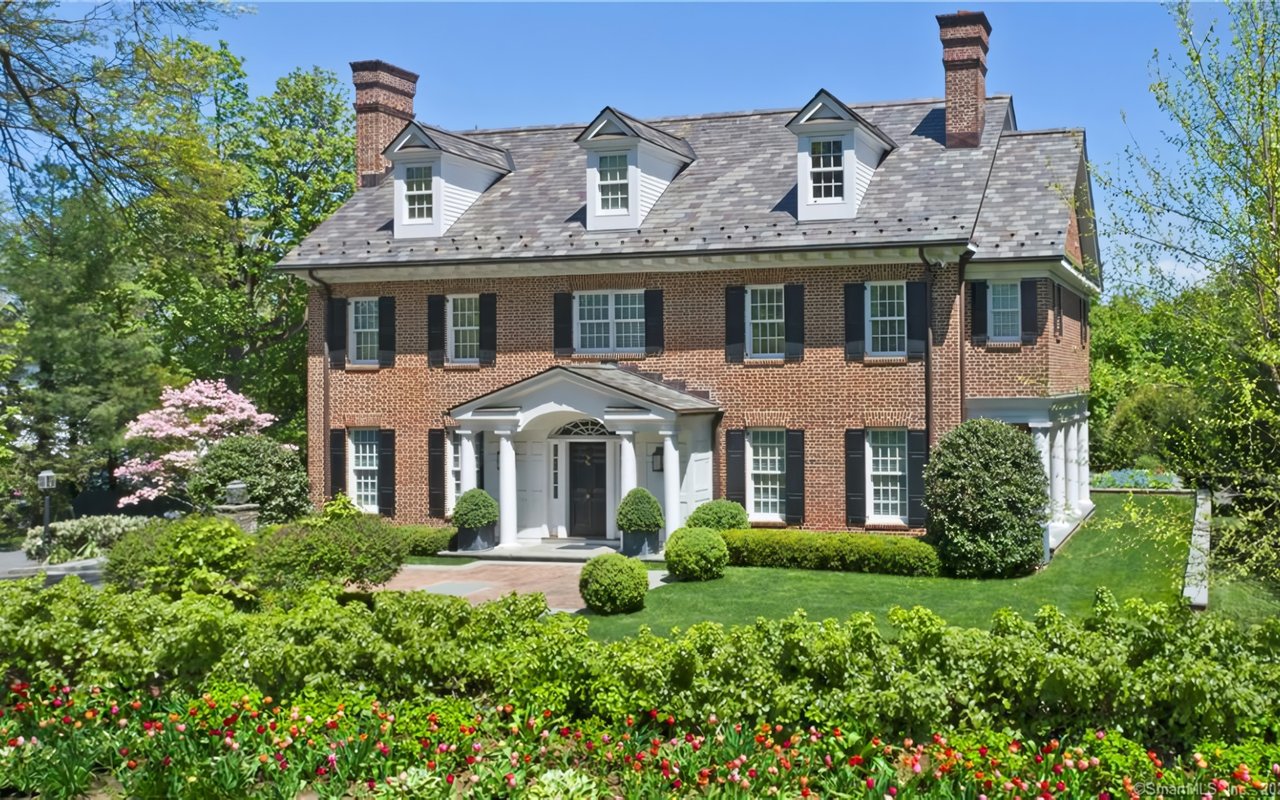
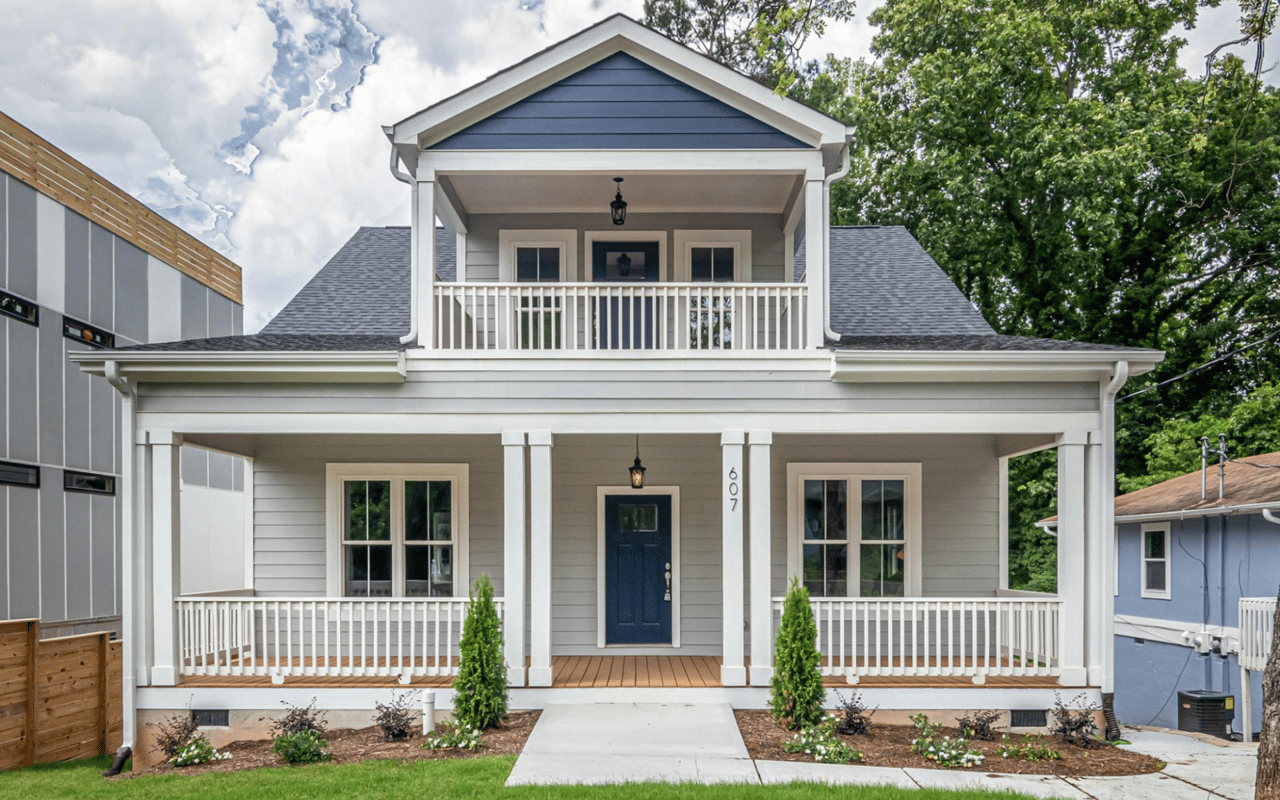
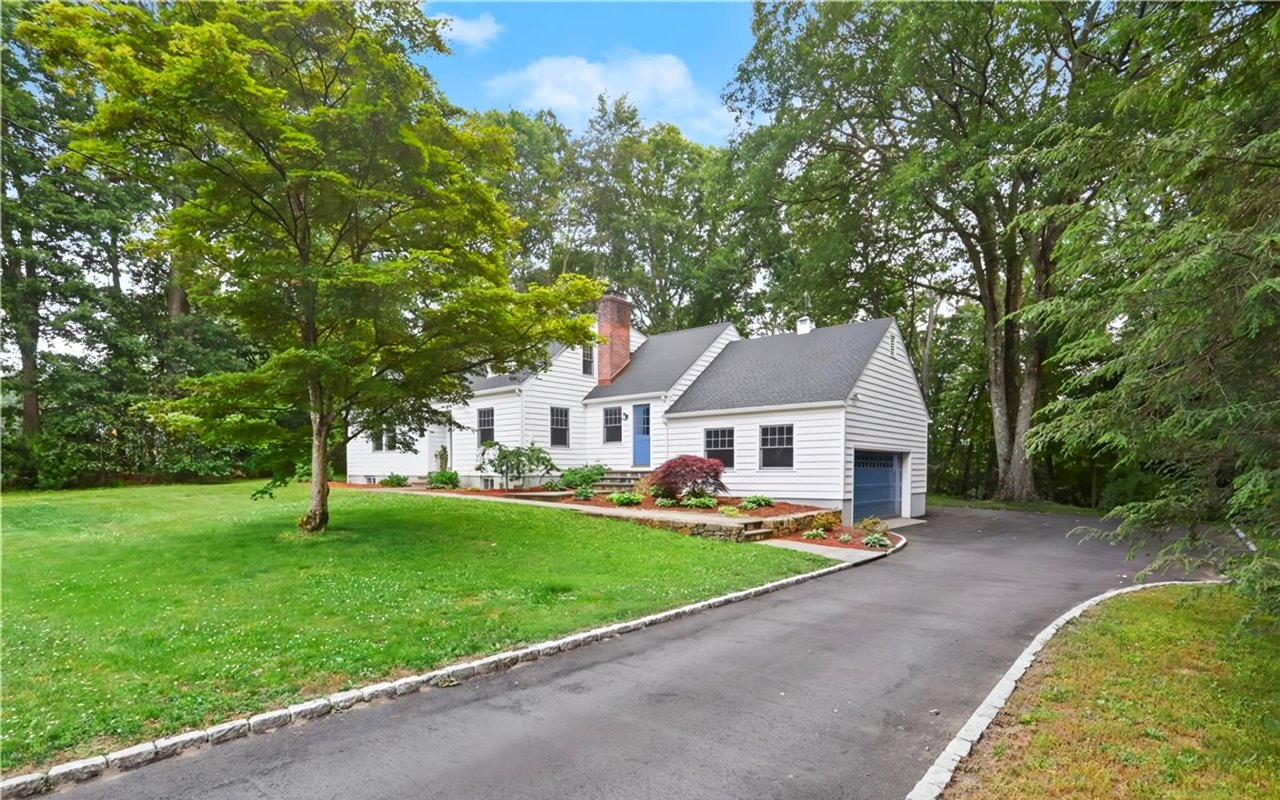
Colonial Revival architecture typically features:
- Symmetrical facades
- A centered front door
- Fanlights or pediments above the entry
- Double-hung sash windows
- Classical trim or porch details
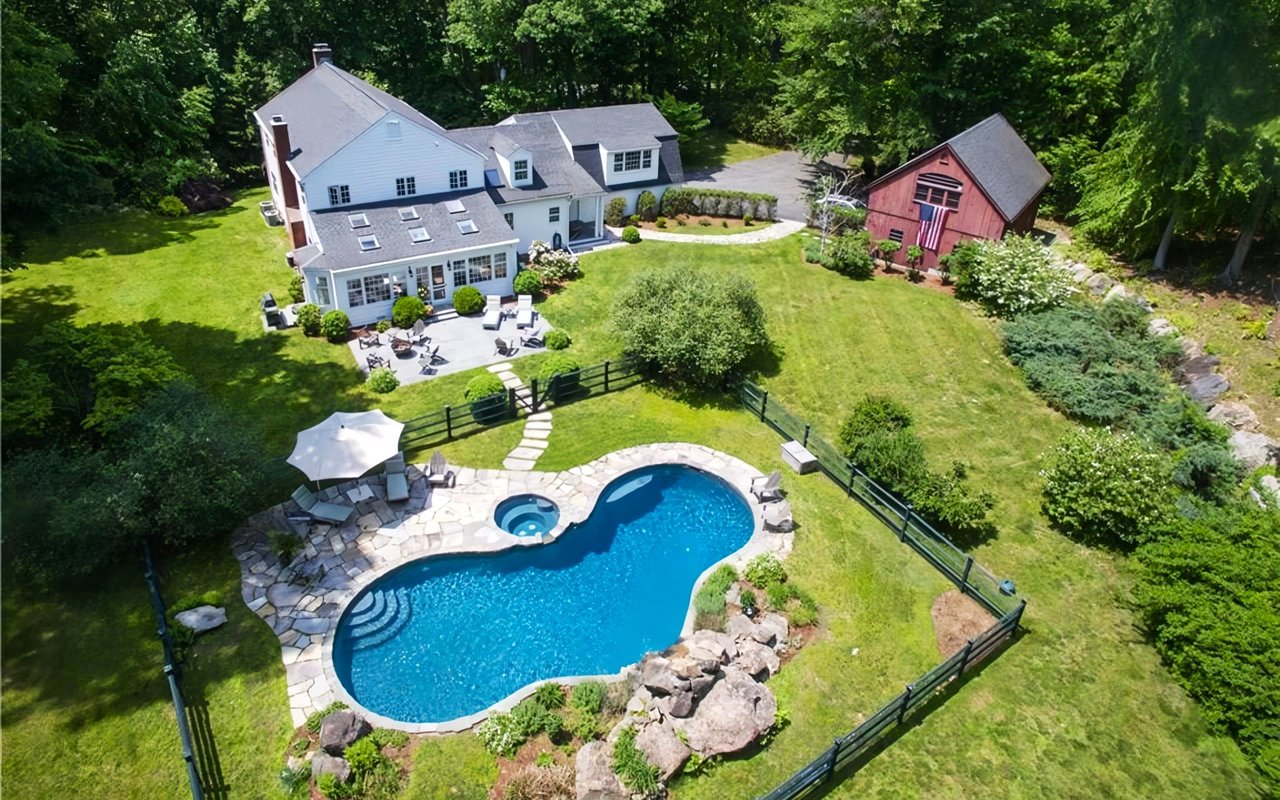
In practical terms, a classic center-hall Colonial often places formal rooms on either side of the hall, with bedrooms upstairs and kitchen or family spaces toward the rear. In newer Greenwich construction, the term colonial can also stretch into modern farmhouse interpretations.
Why buyers still connect with this style
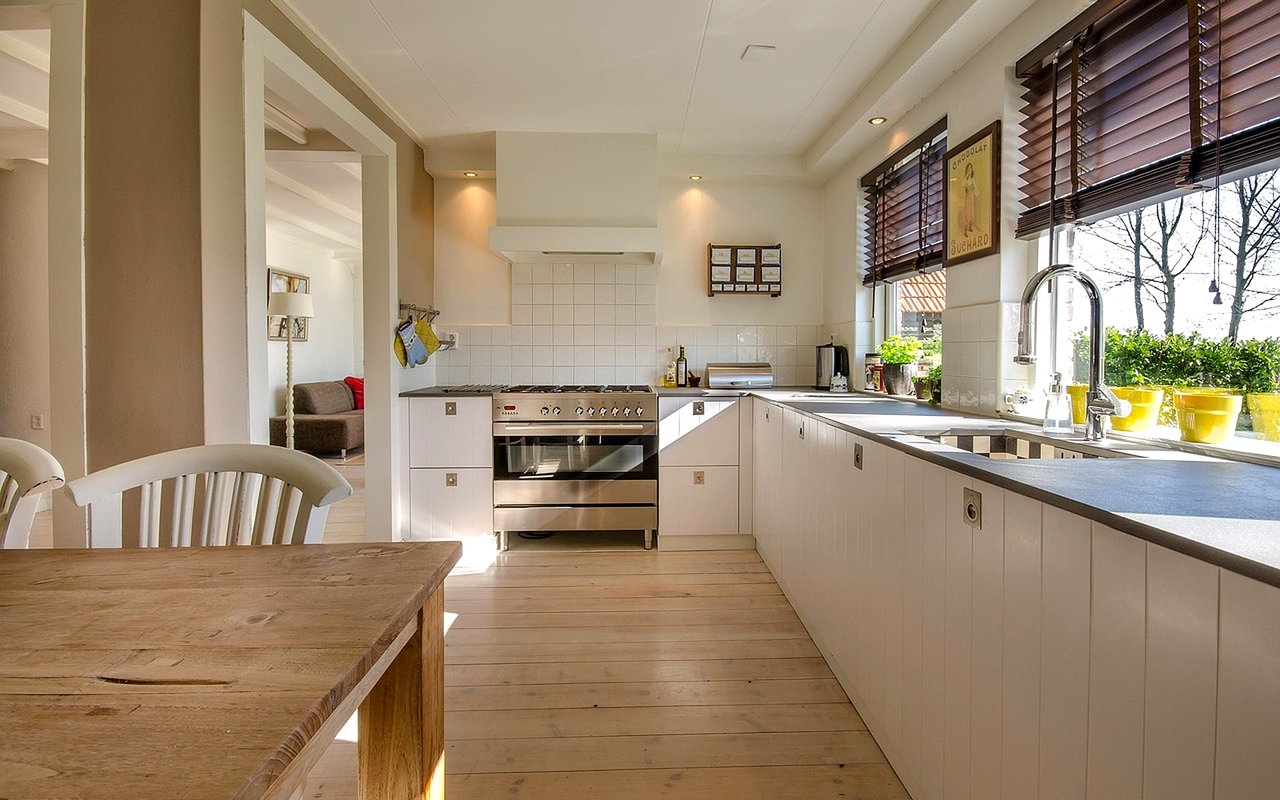
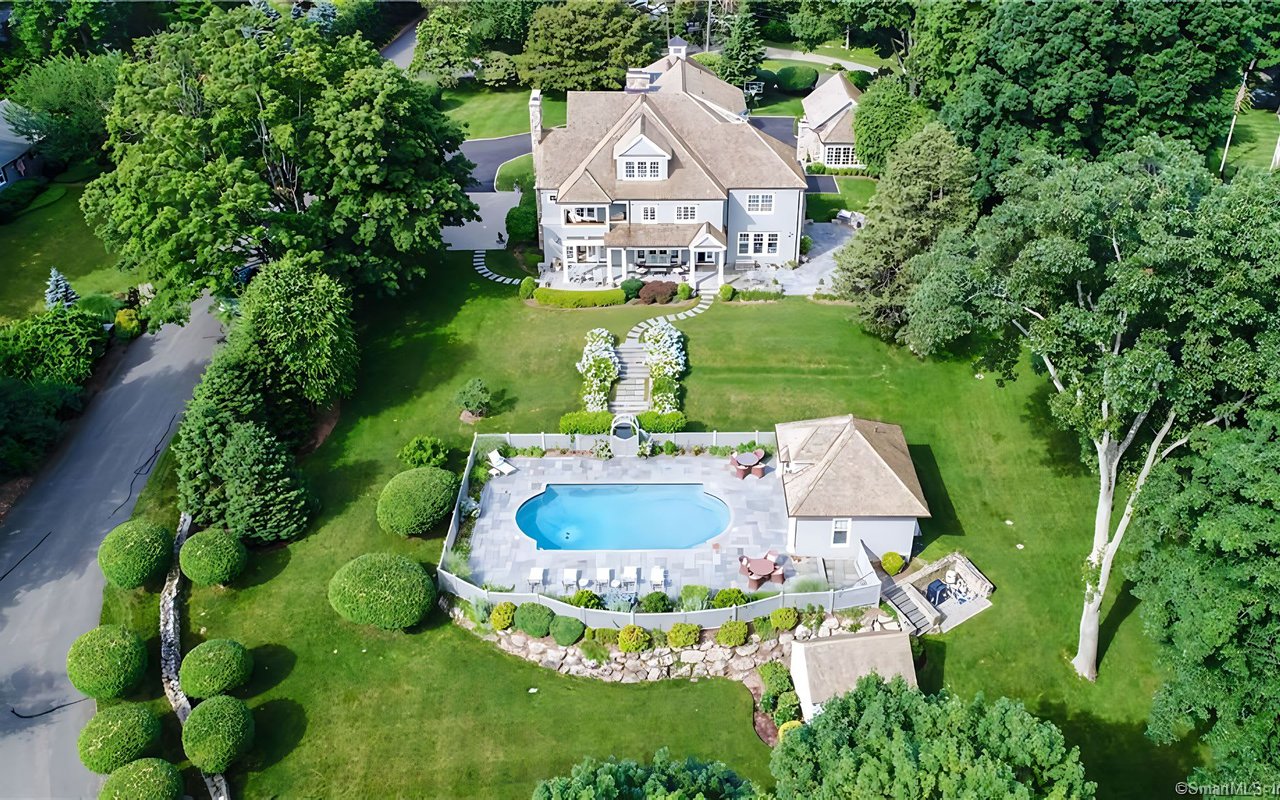
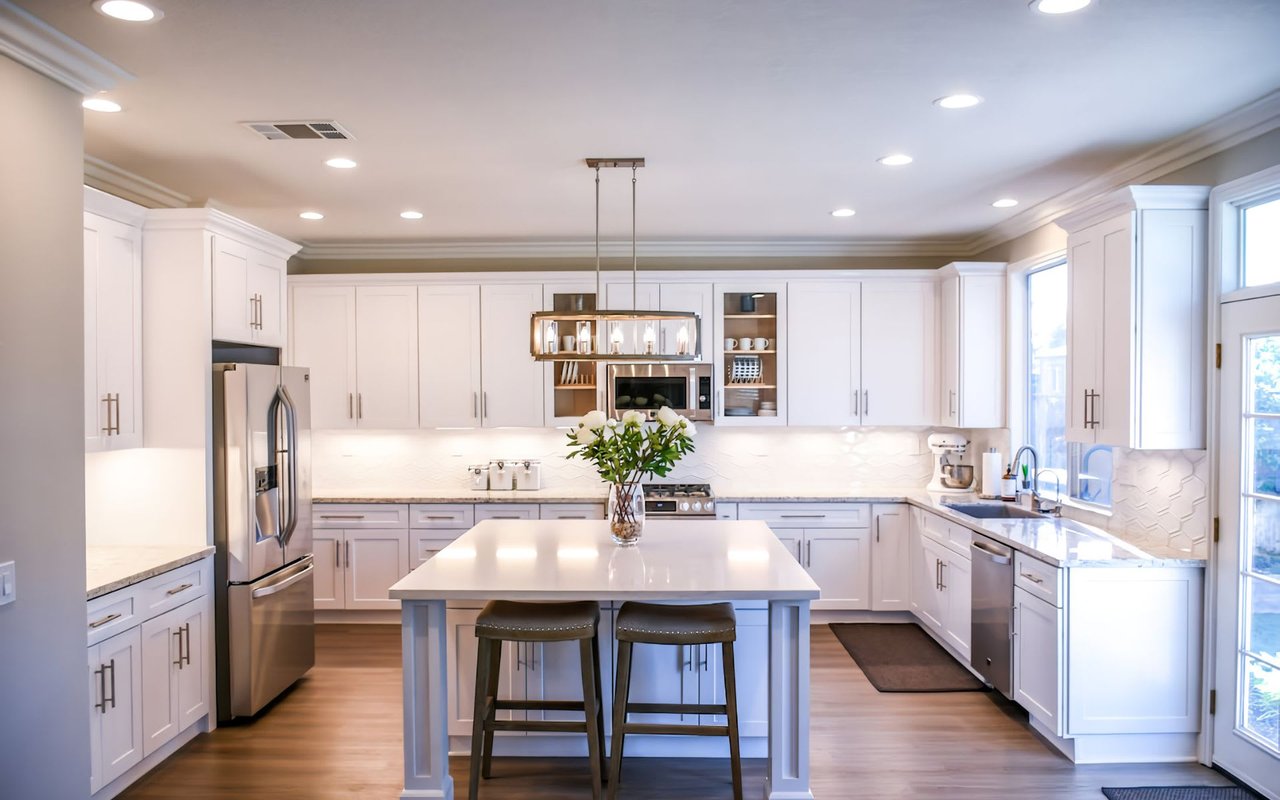
For many luxury buyers, Colonial-style homes offer a strong mix of tradition and flexibility. The front-facing formal spaces preserve architectural character, while rear additions or renovated interiors can support the open kitchens, family rooms, and indoor-outdoor flow that today’s buyers often want.
That balance helps explain why the style has stayed so relevant. It offers a classic look without preventing meaningful modernization.
Shingle Style Defines Coastal Greenwich
What Shingle style looks like
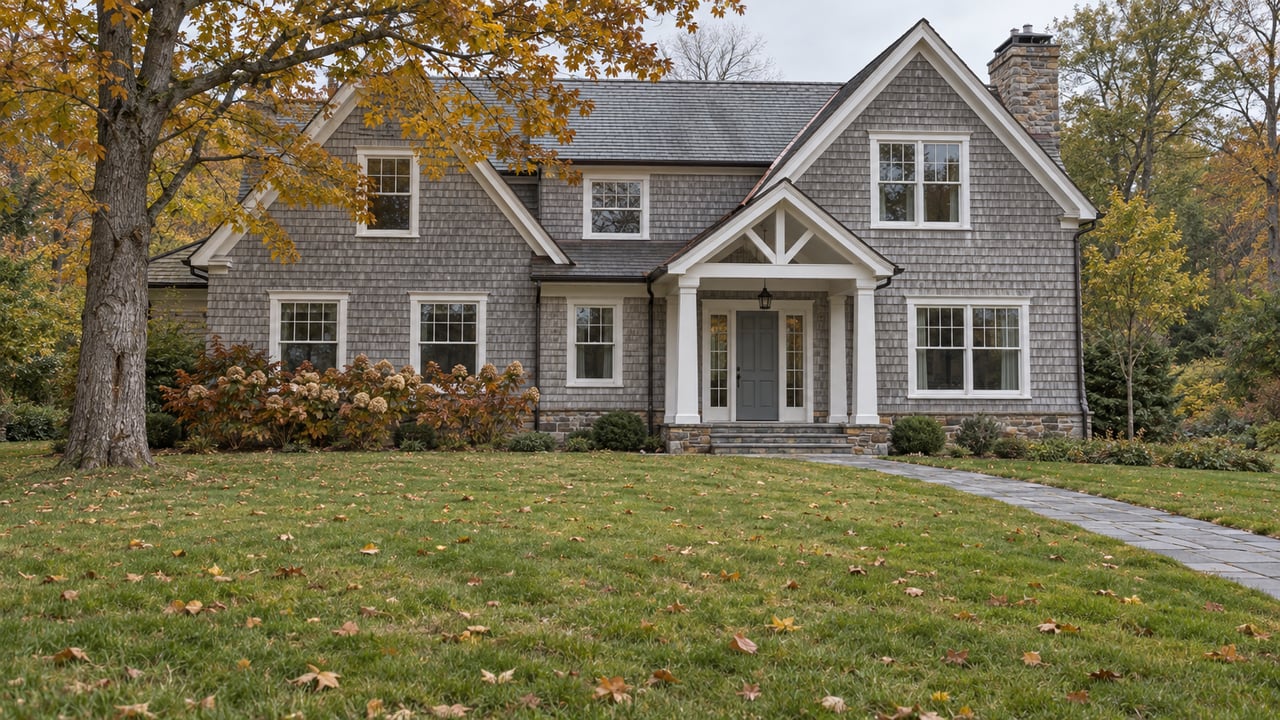
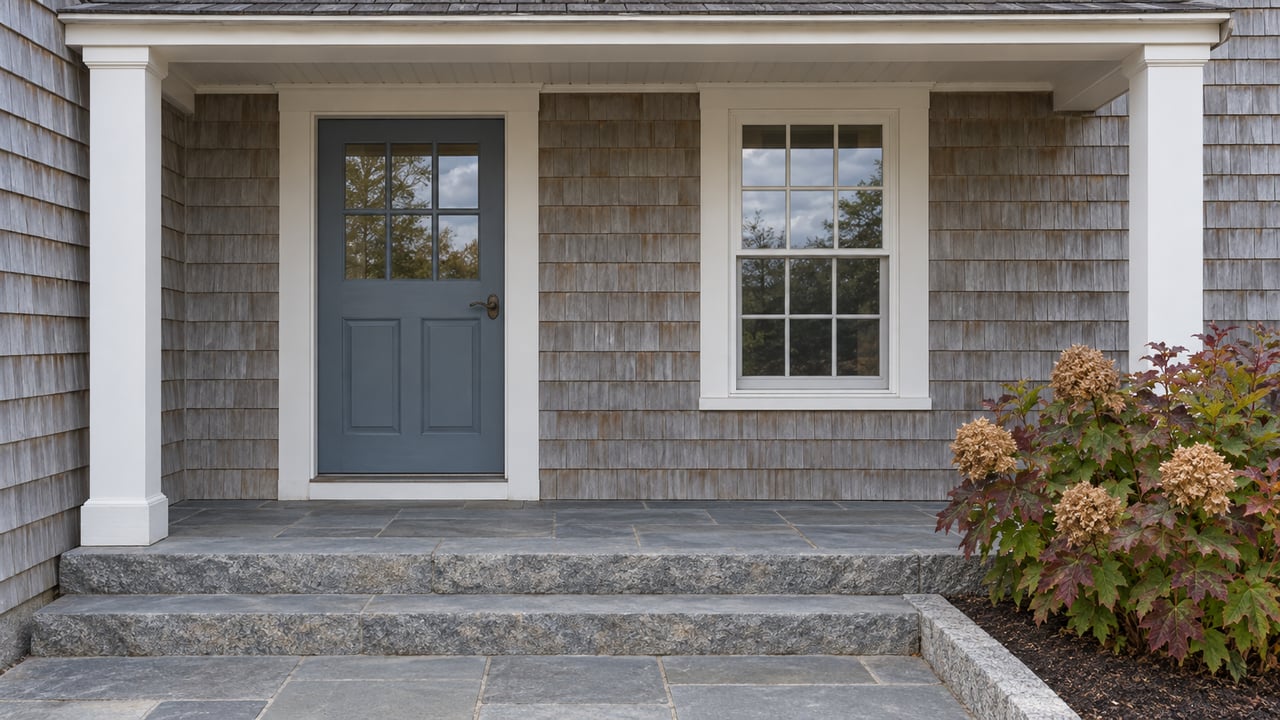
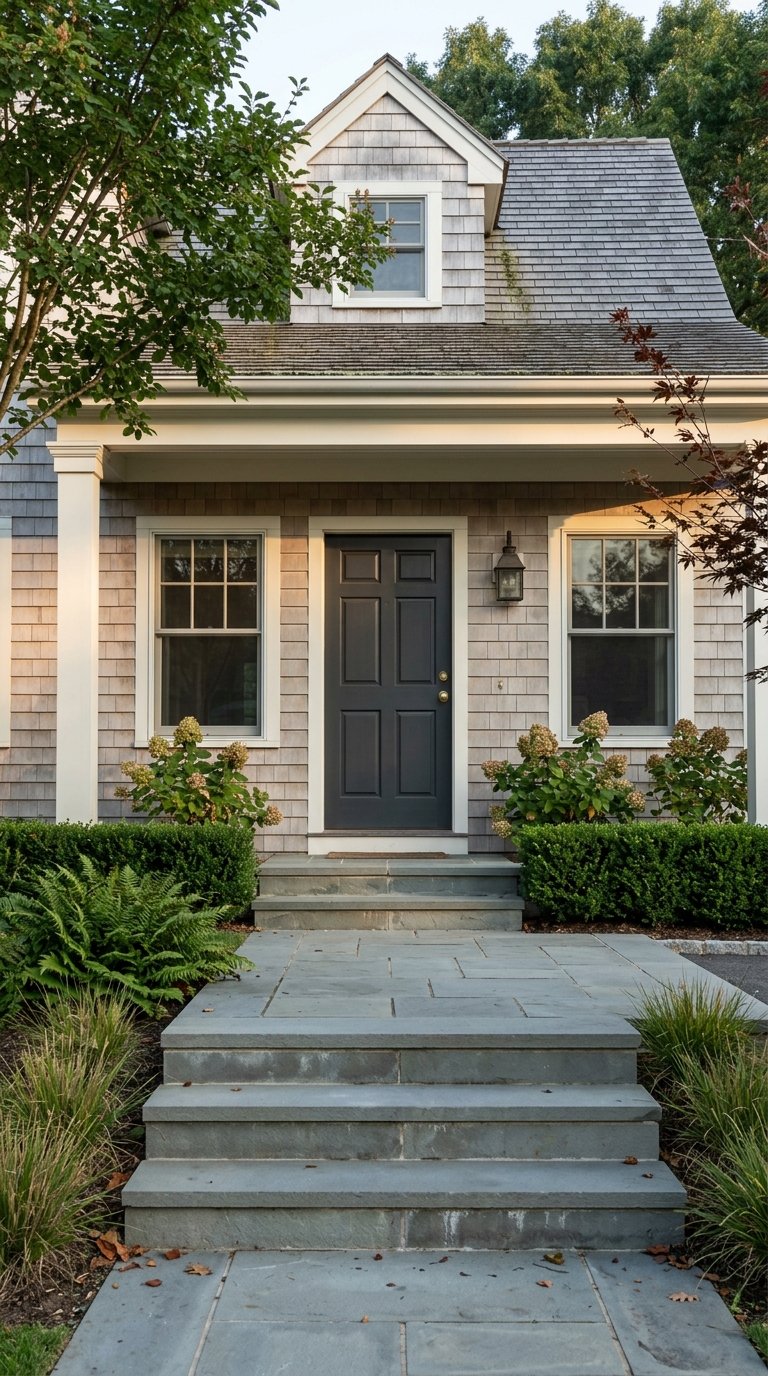
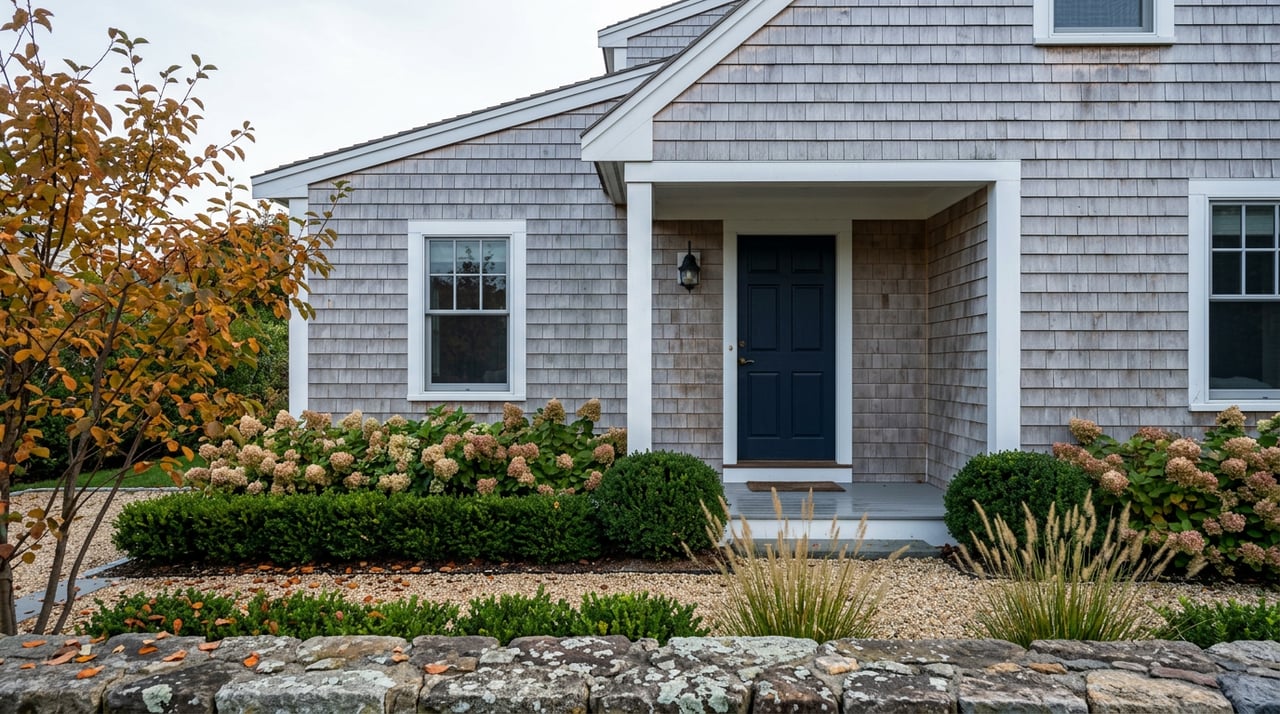
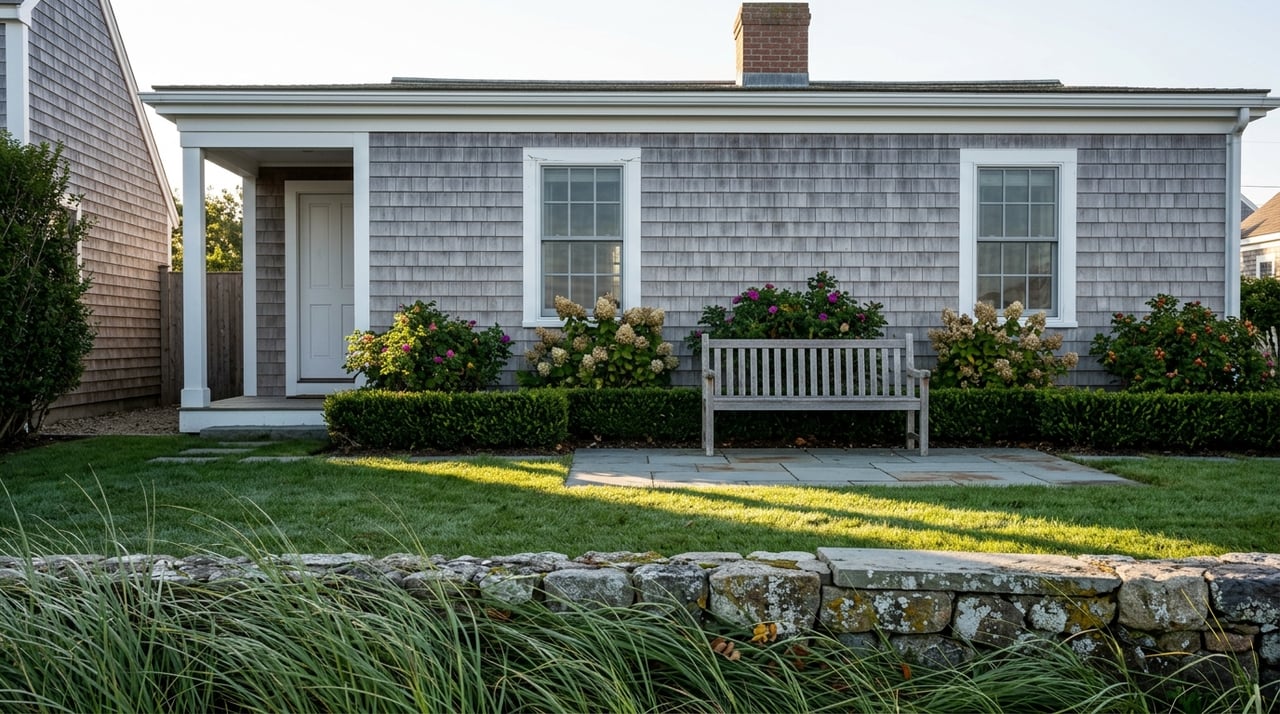
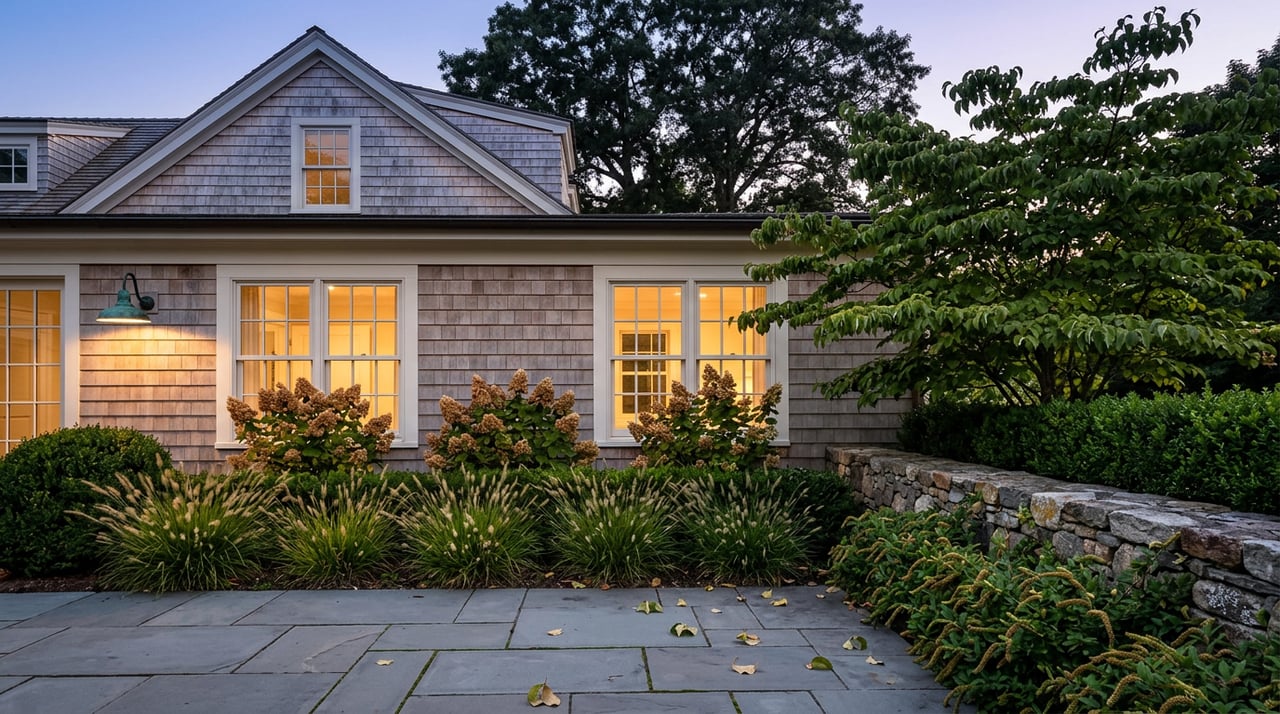
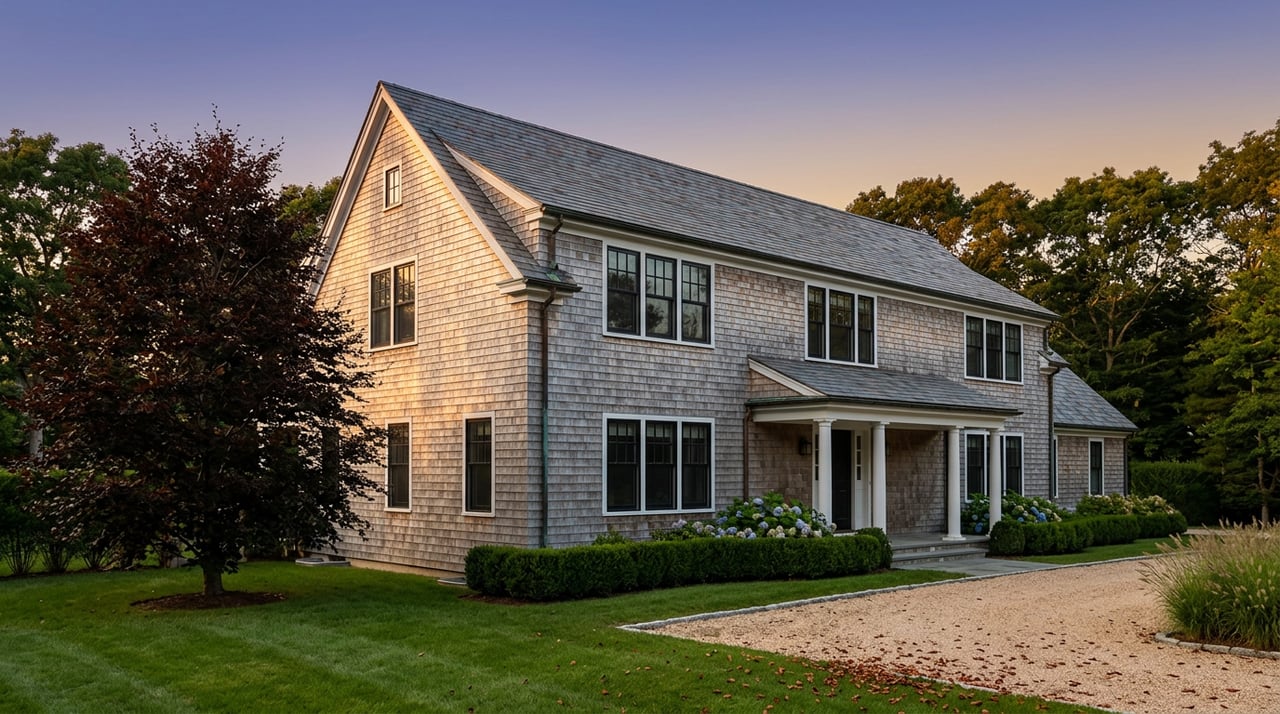
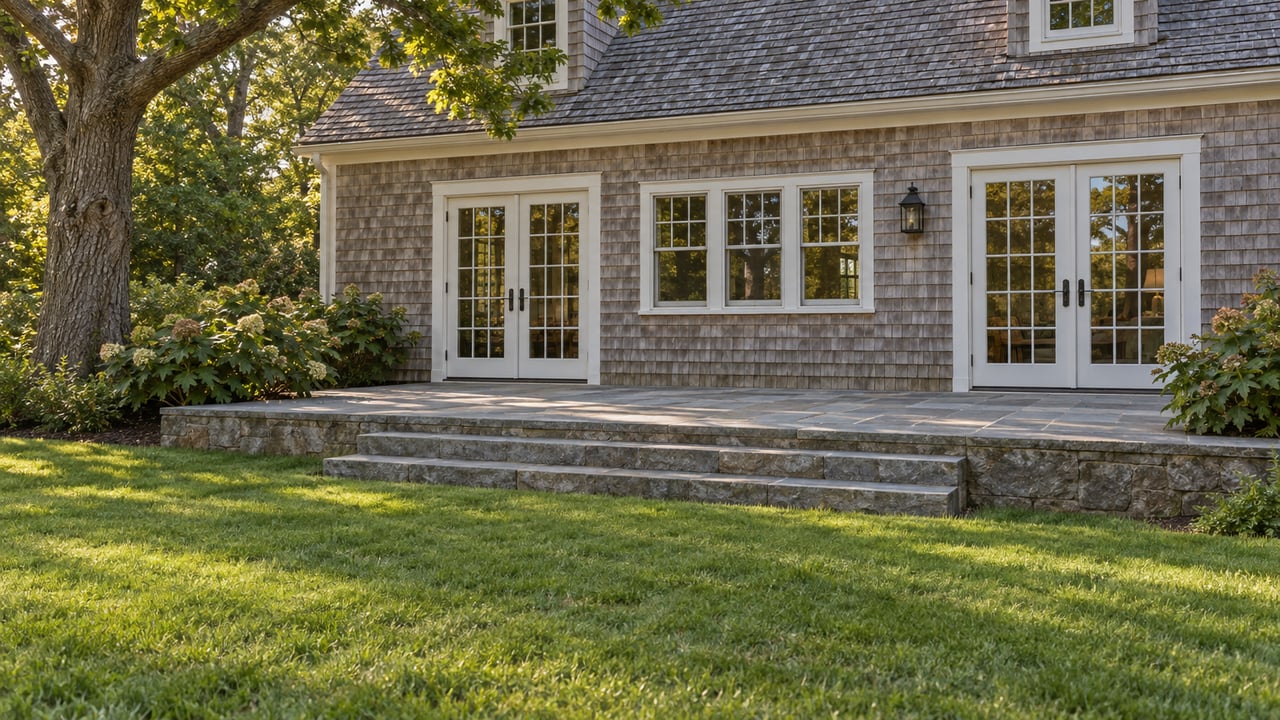
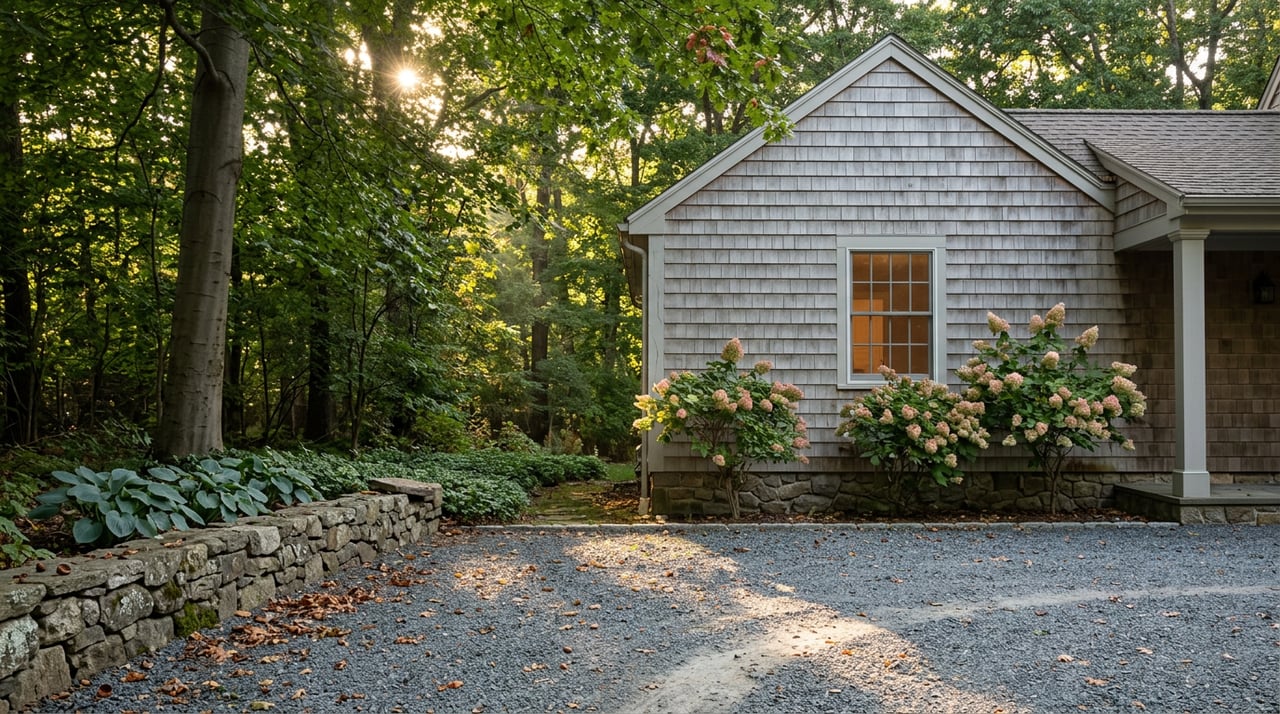
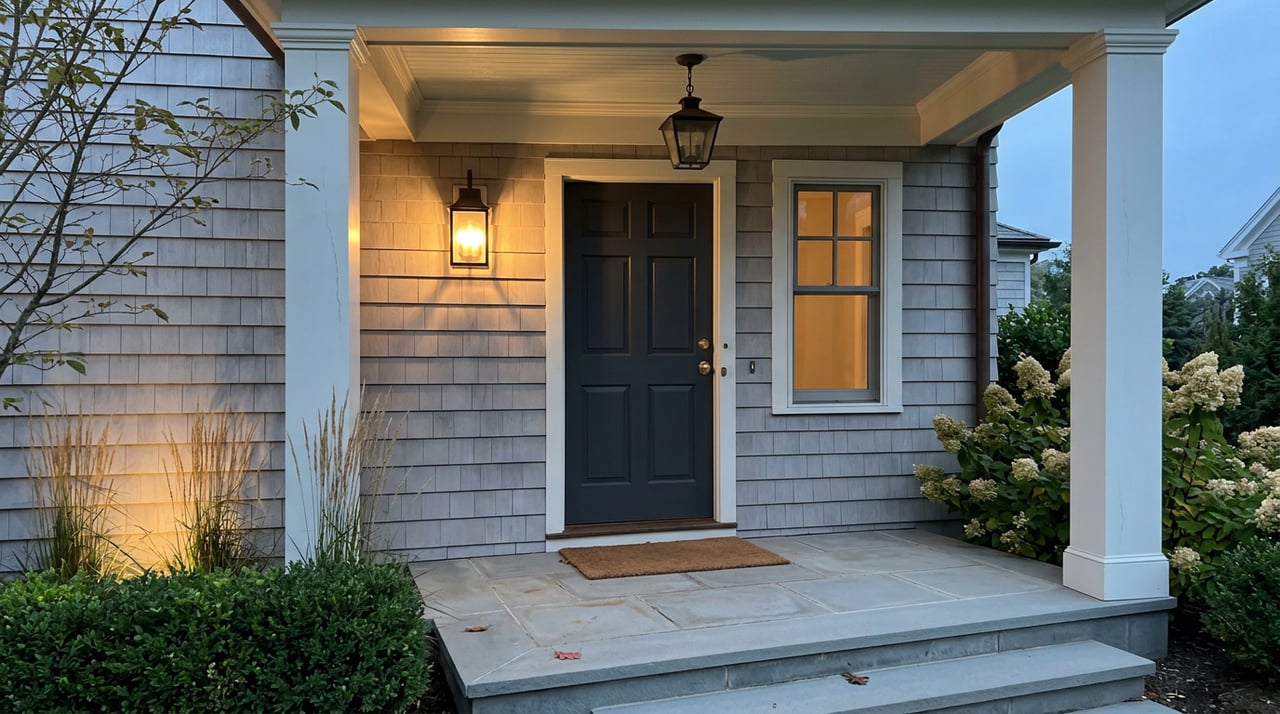
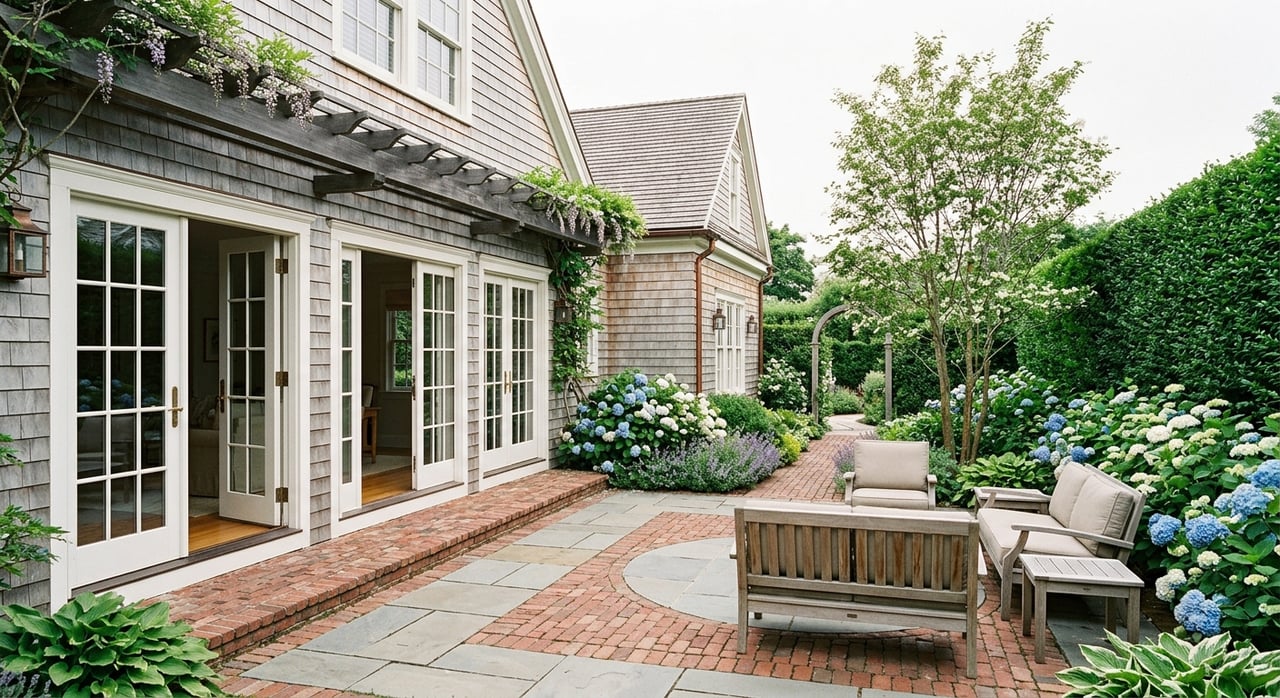
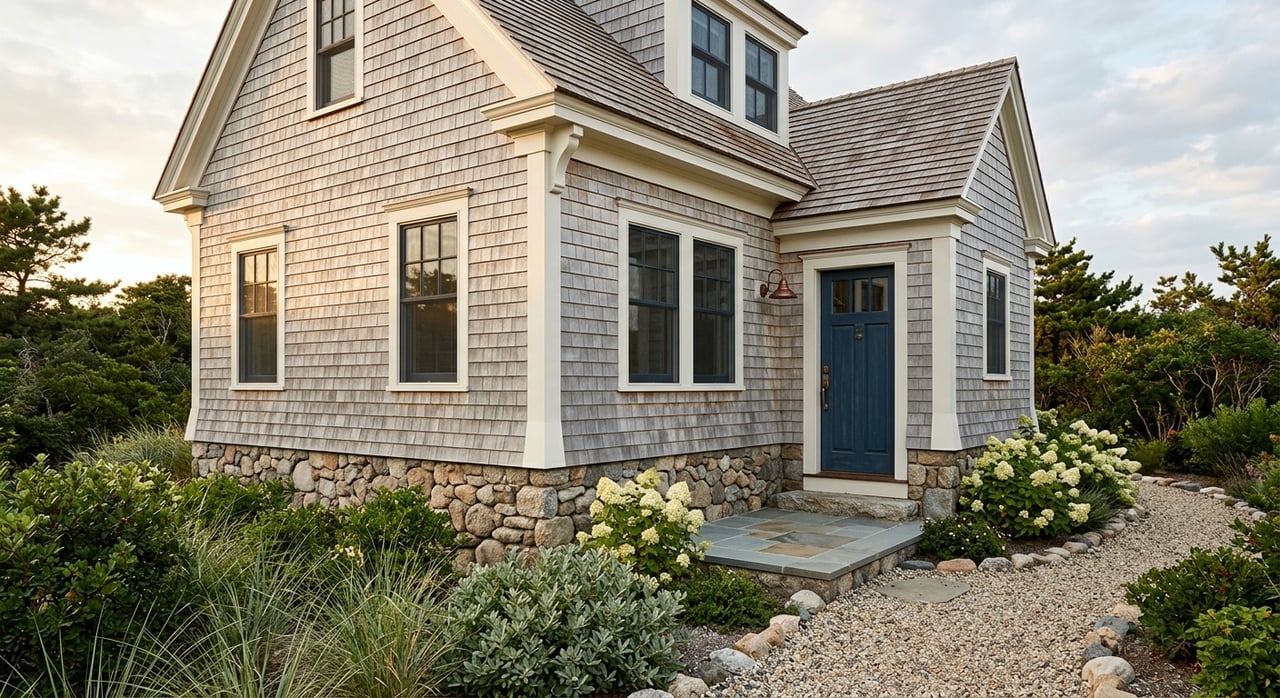
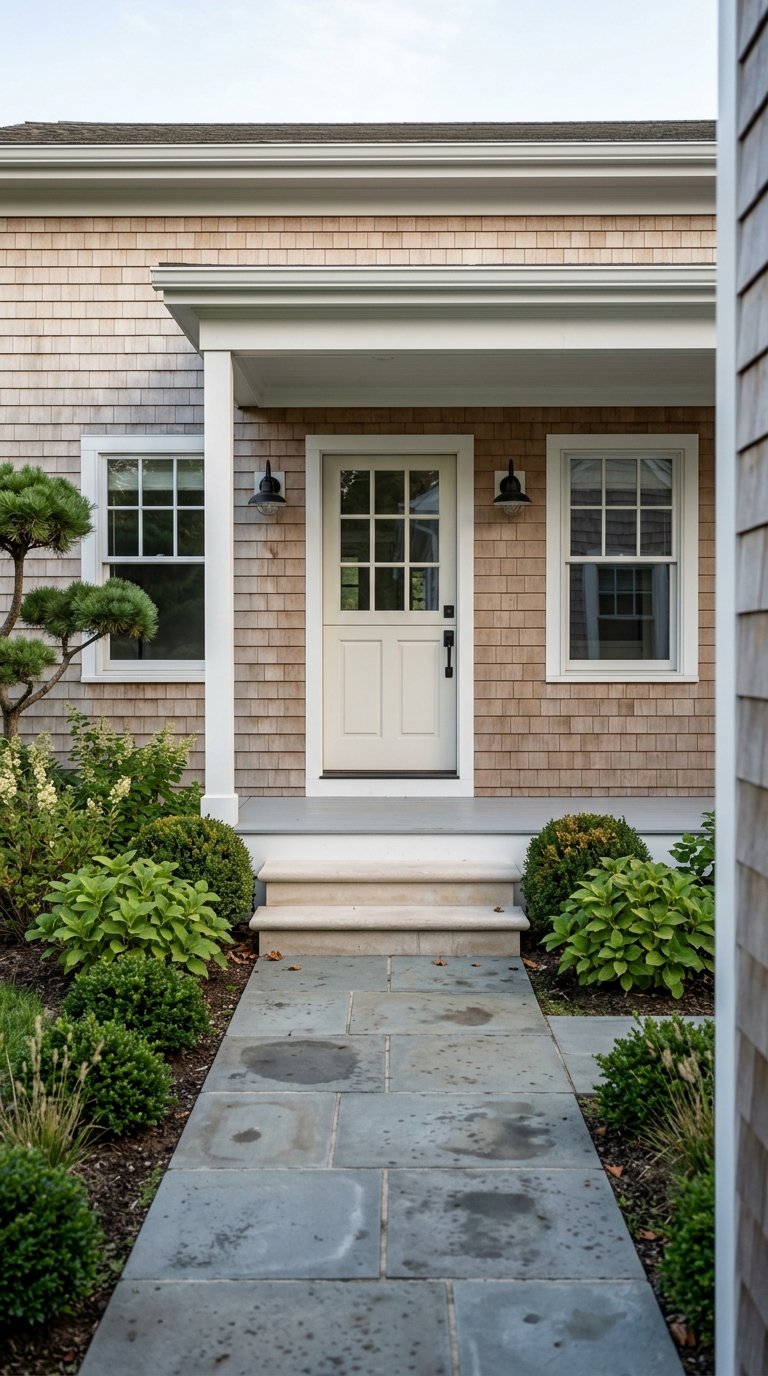
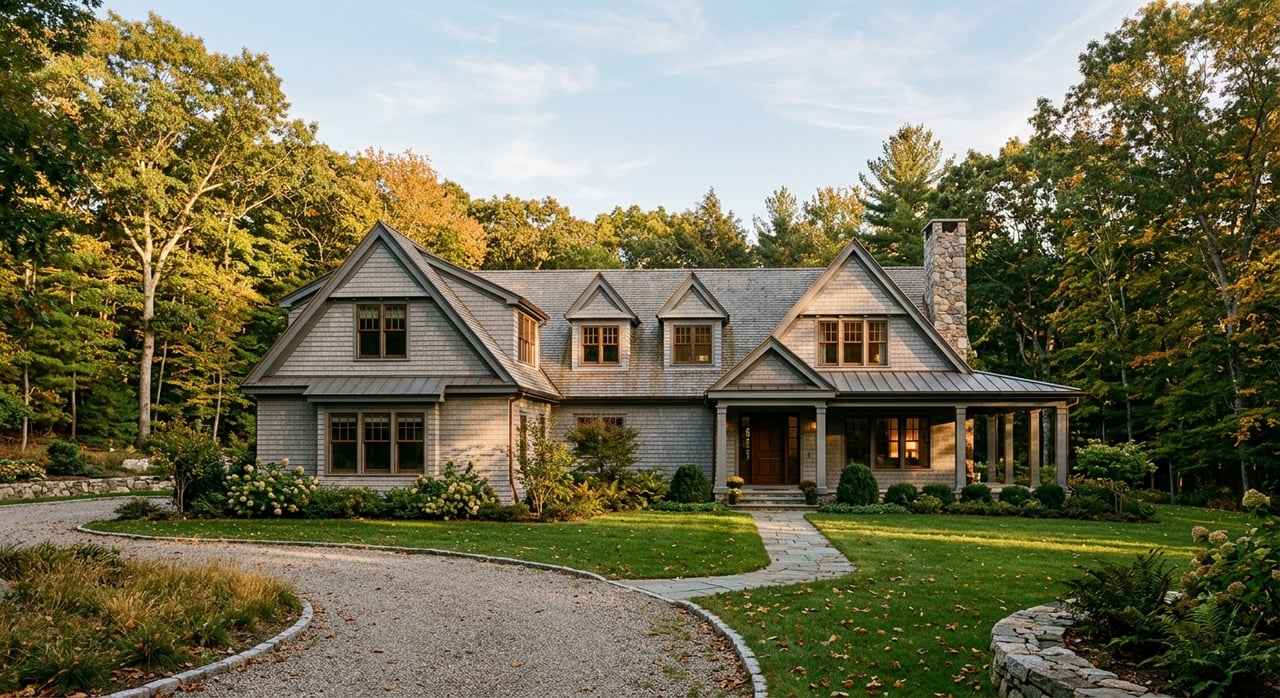
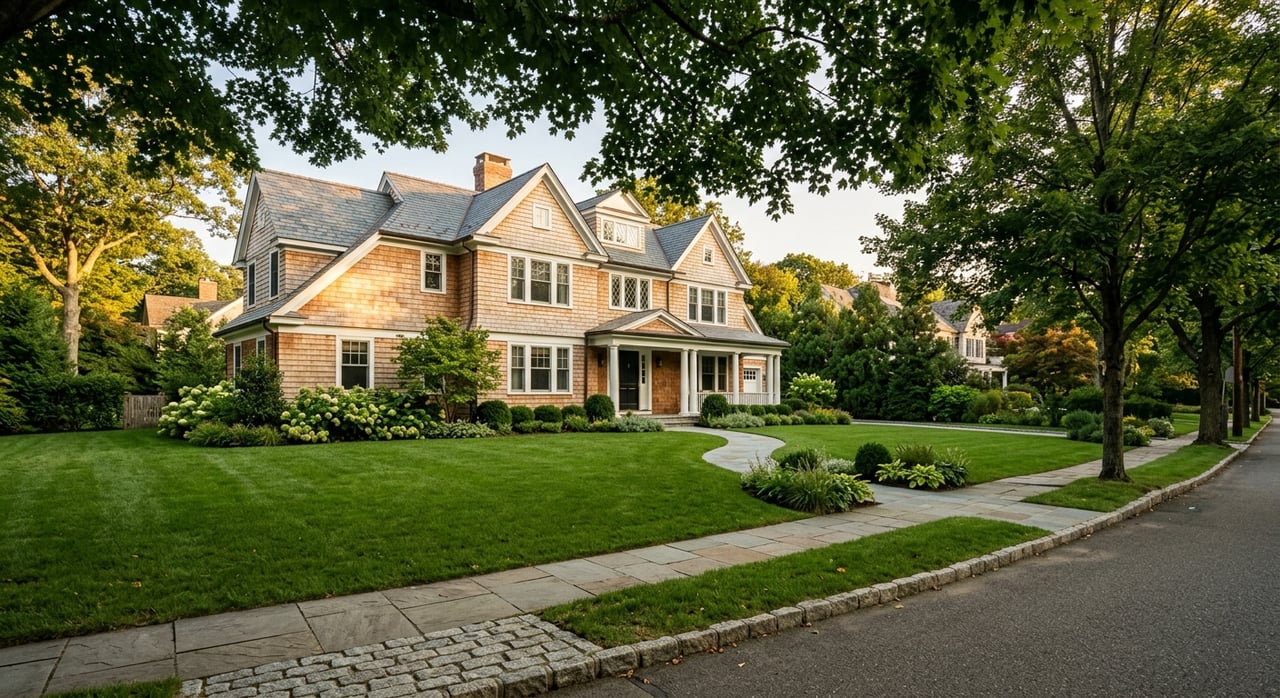
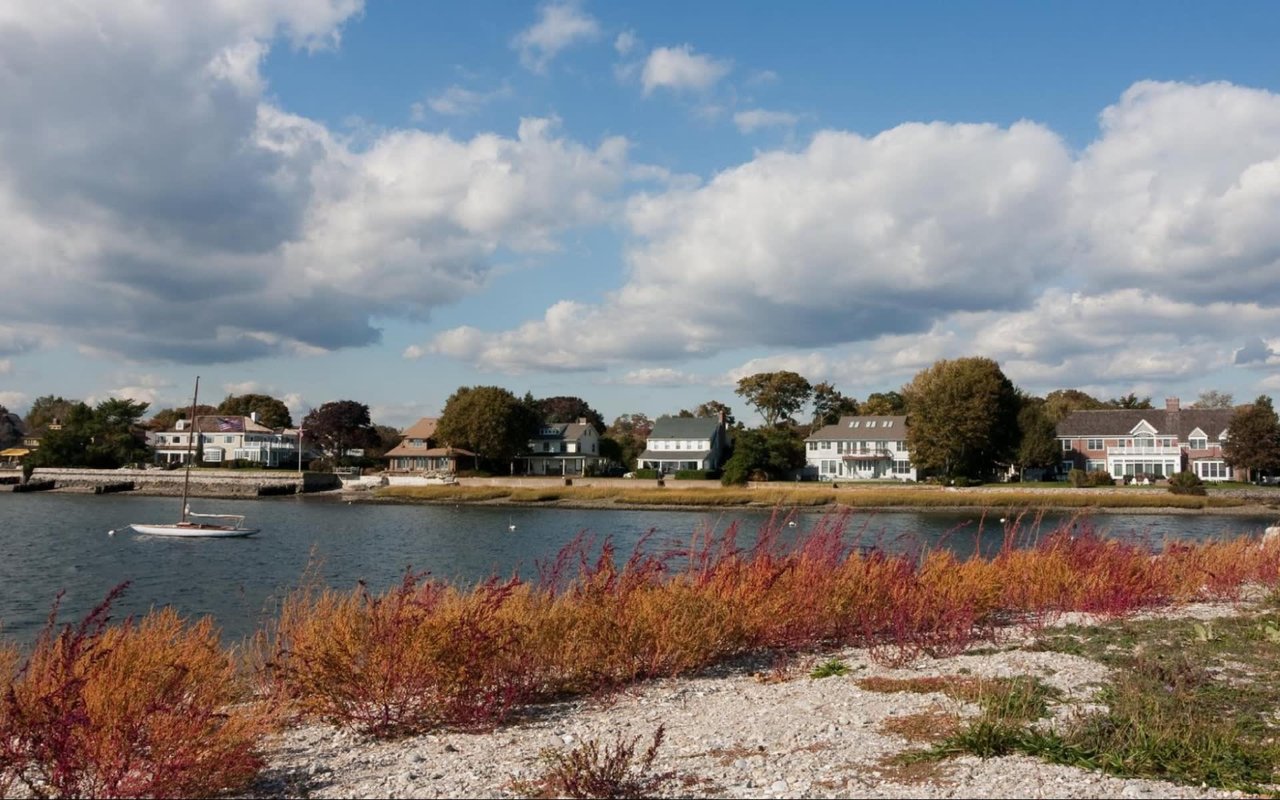
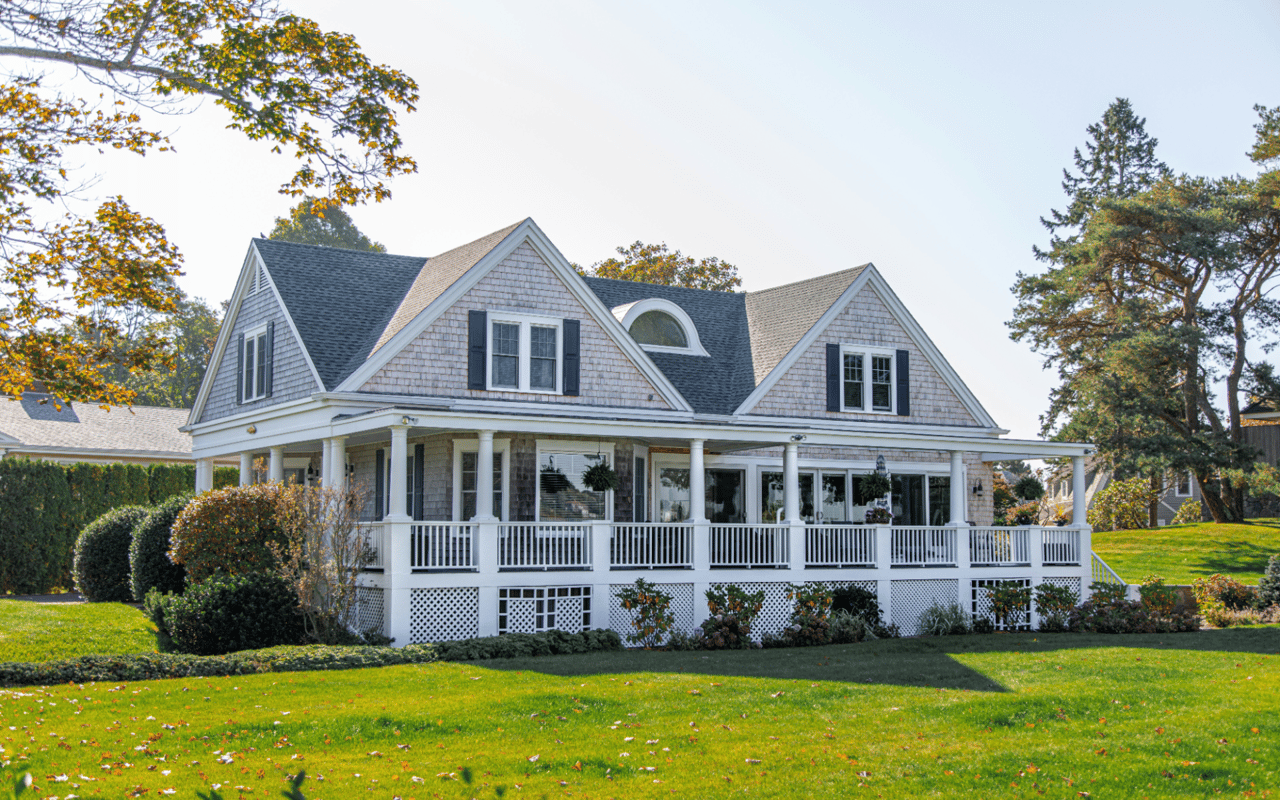
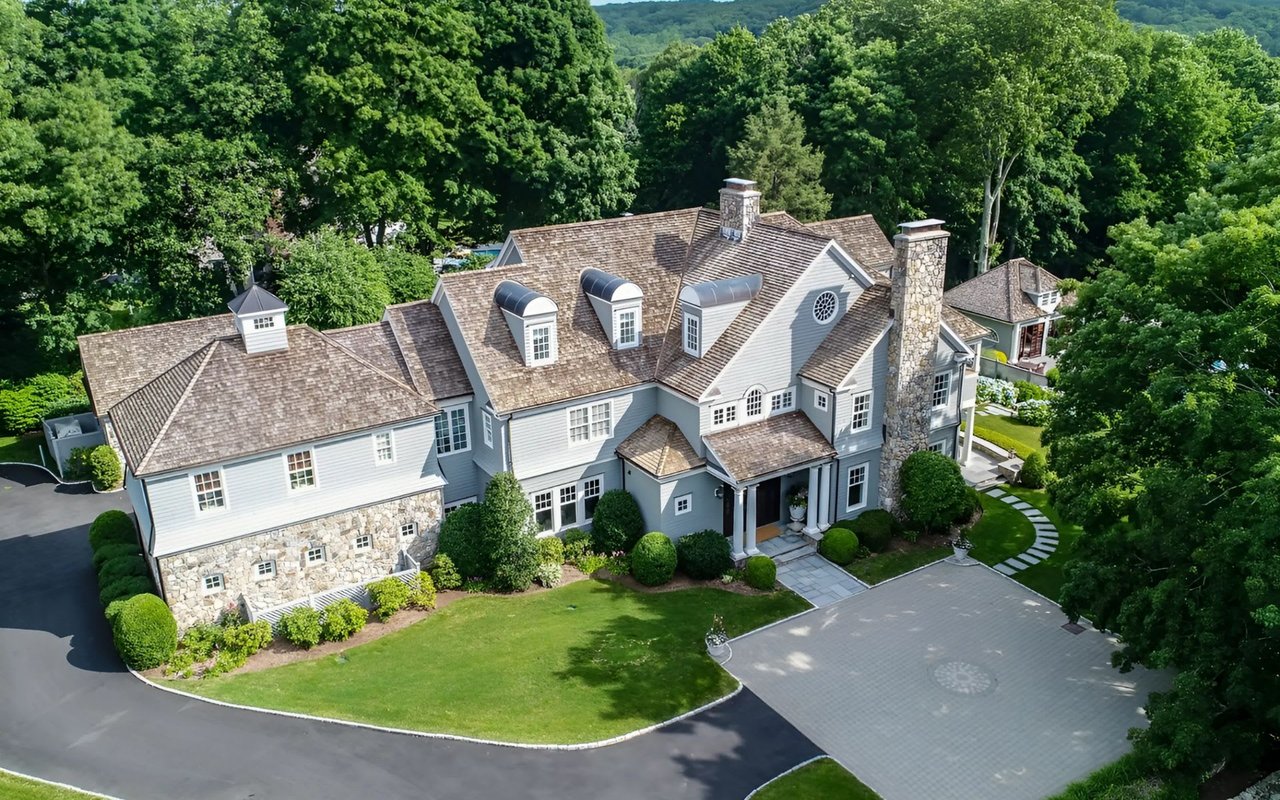
If Colonial is the town’s foundation, Shingle style is one of Greenwich’s clearest luxury signatures near the water. This style is known for complex rooflines, asymmetrical shapes, broad porches, and exterior surfaces wrapped almost entirely in shingles.
You may also notice curved openings or Palladian-inspired details. The overall effect is refined but relaxed, which suits Greenwich’s coastal setting especially well.
Why it feels so natural near the water
Shingle-style homes often feel connected to the shoreline without appearing overly casual. Local coverage has noted that cedar shingles are practical in salt air, which adds a useful performance reason behind the style’s long-lasting popularity in waterfront areas.
In Greenwich, Shingle architecture is often tied to porches, water views, and easy entertaining. If you are drawn to a home that feels elegant yet approachable, this style often delivers that combination.
What it can signal in a luxury listing
When you see a Shingle-style home in Greenwich, it often points to a certain kind of lifestyle. You may find a stronger relationship to outdoor spaces, a layout suited to hosting, and a design language that emphasizes comfort without losing sophistication.
For sellers, that means the architectural style itself can become part of the story. For buyers, it can help you quickly identify homes that support a more coastal way of living.
Tudor and Estate-Era Styles Add Character
Tudor Revival’s place in Greenwich
Tudor Revival is less common than Colonial or Shingle, but it remains an important part of Greenwich’s luxury housing mix. These homes often feature steep rooflines, asymmetrical forms, tall chimneys, and a mix of stucco, brick, stone, or half-timbering.
The style tends to carry a more established estate feel. In older sections of Greenwich, Tudor homes often stand out for their texture, craftsmanship, and strong visual identity.
Other period styles you may encounter
Greenwich also includes a wider range of historic architectural layers, including:
- Greek Revival
- Italianate
- Second Empire
- Victorian
- Queen Anne
- Craftsman
This mix matters because many luxury homes in Greenwich are best understood as part of an architectural timeline. Rather than fitting neatly into one pure category, a property may reflect its original period plus later additions, updates, or expansions.
Why period layering matters
For buyers, this layered history can make a home feel more distinctive. It can also shape future renovation decisions, especially when you want to preserve visible character while improving how the home lives day to day.
For sellers, understanding that mix can help position a property more accurately. Often, the most compelling story is not just the style itself, but how the home has evolved over time.
Contemporary Homes Change the Conversation
What modern Greenwich homes emphasize
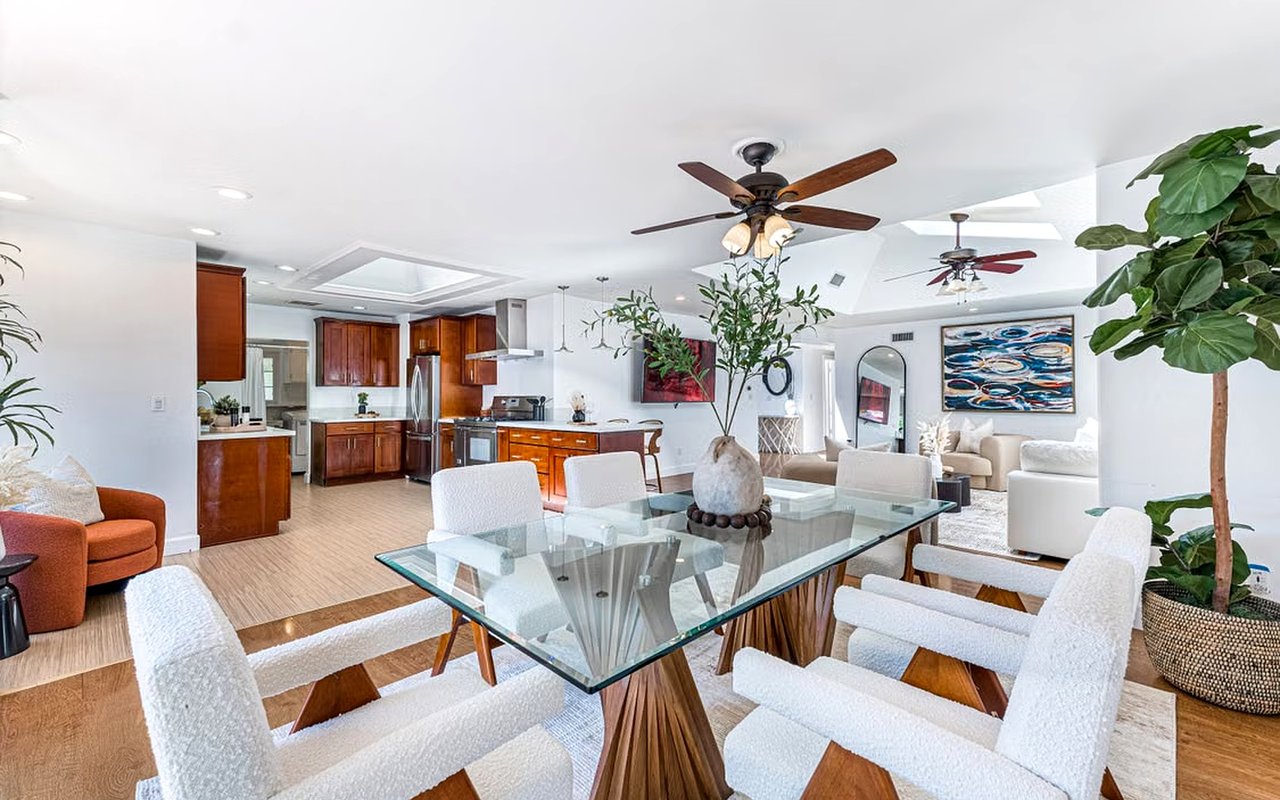
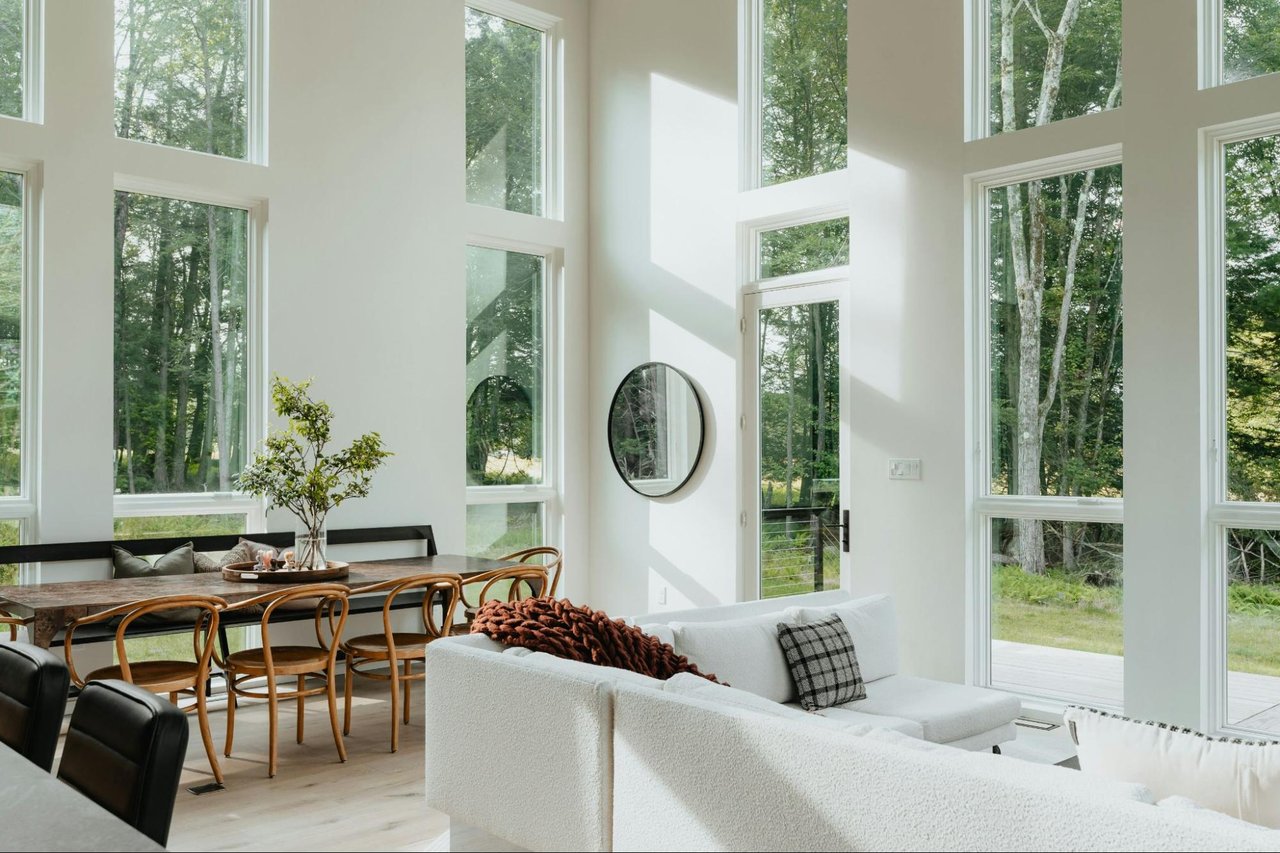
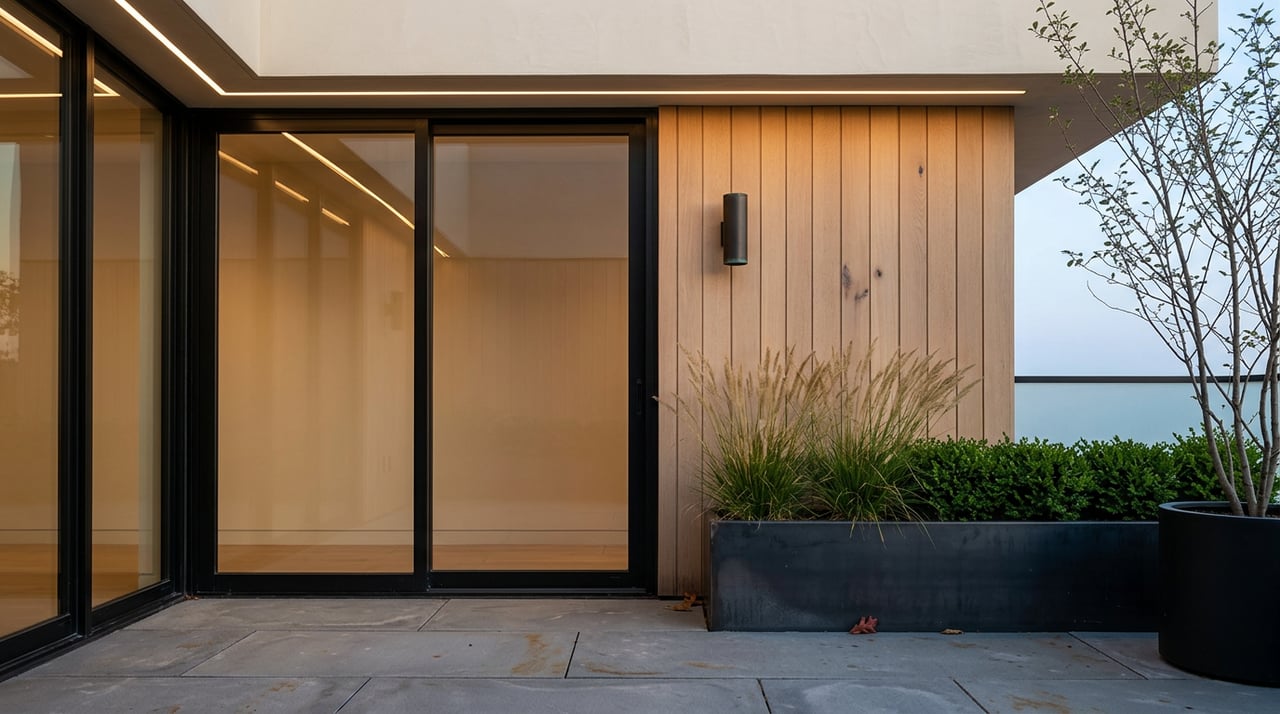
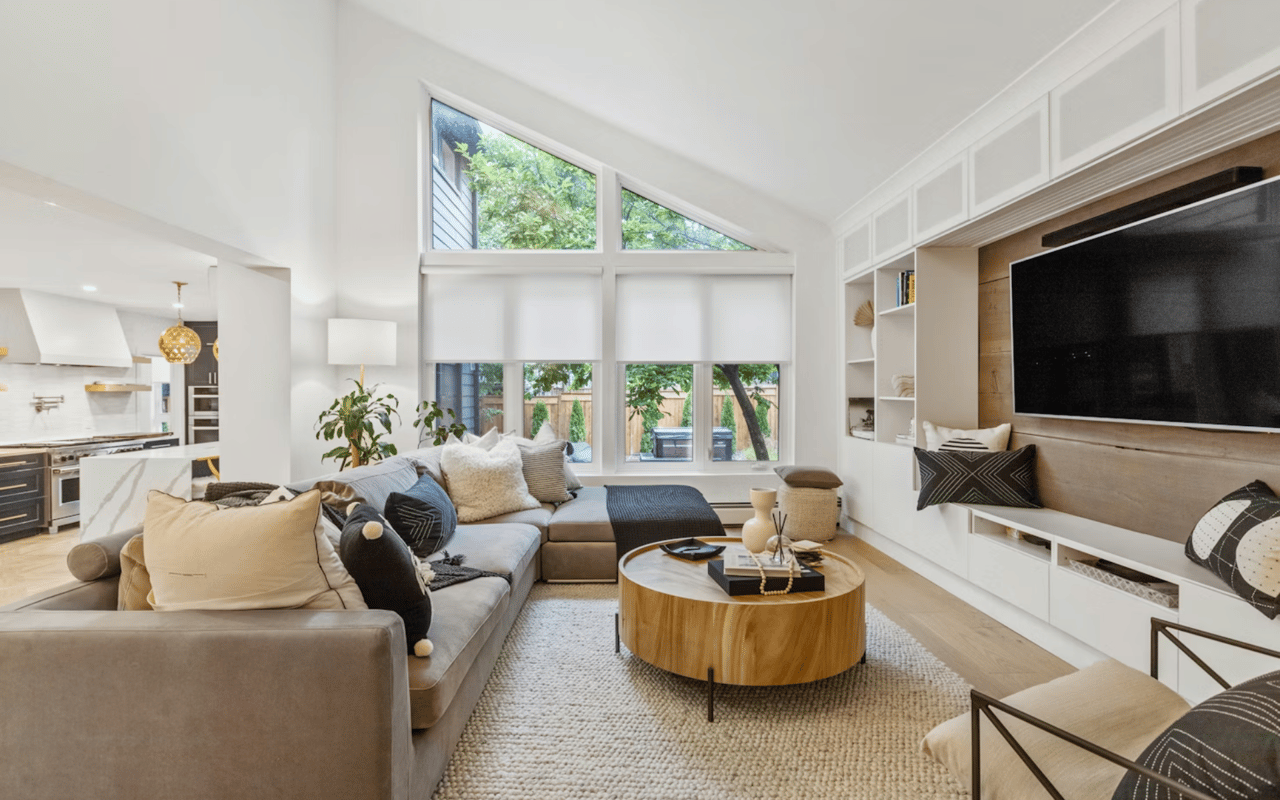
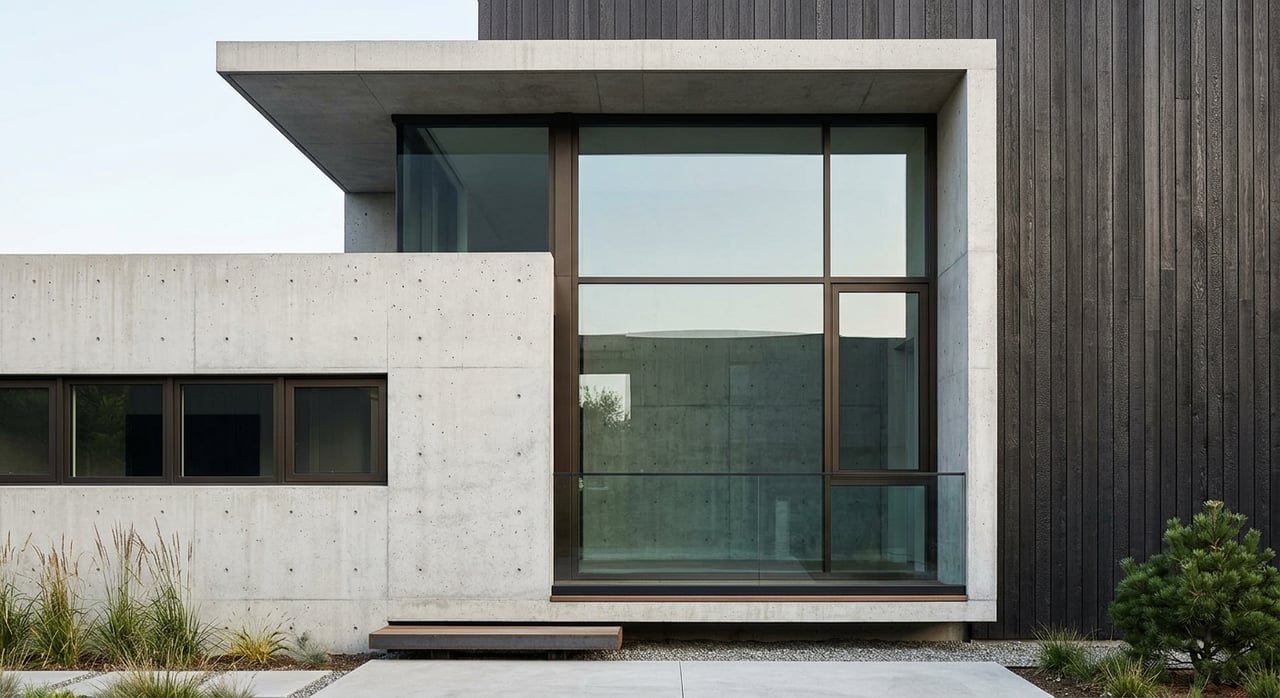
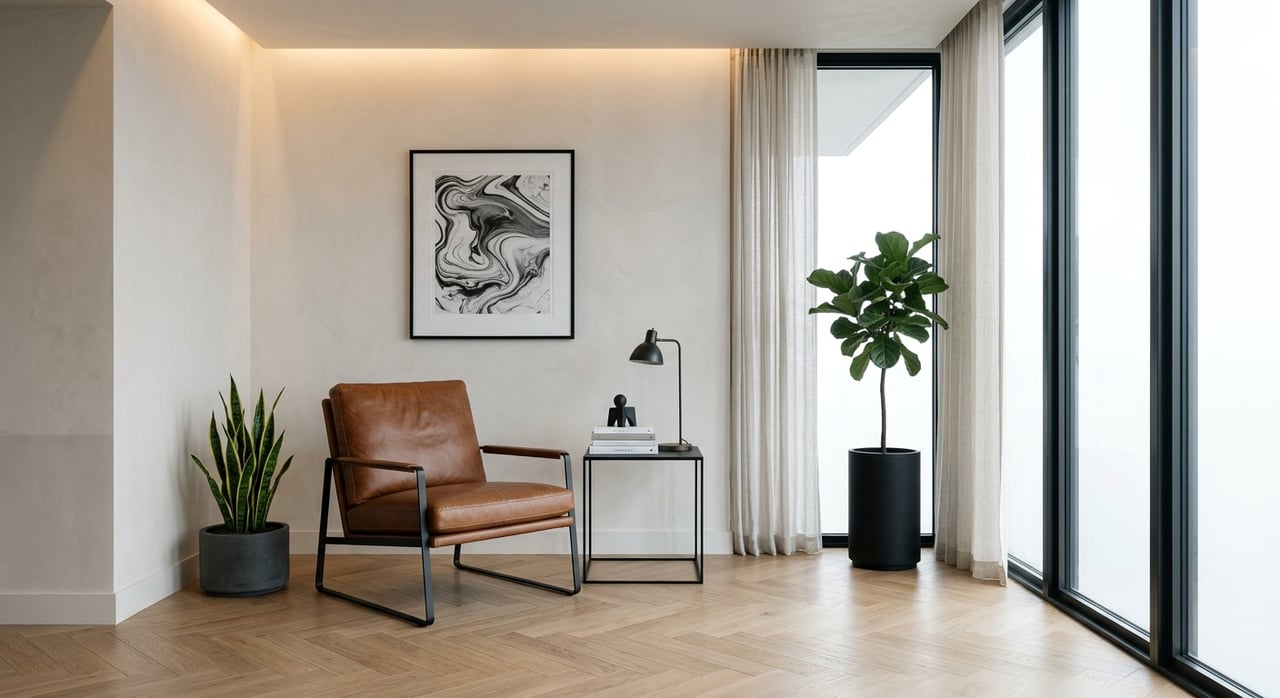
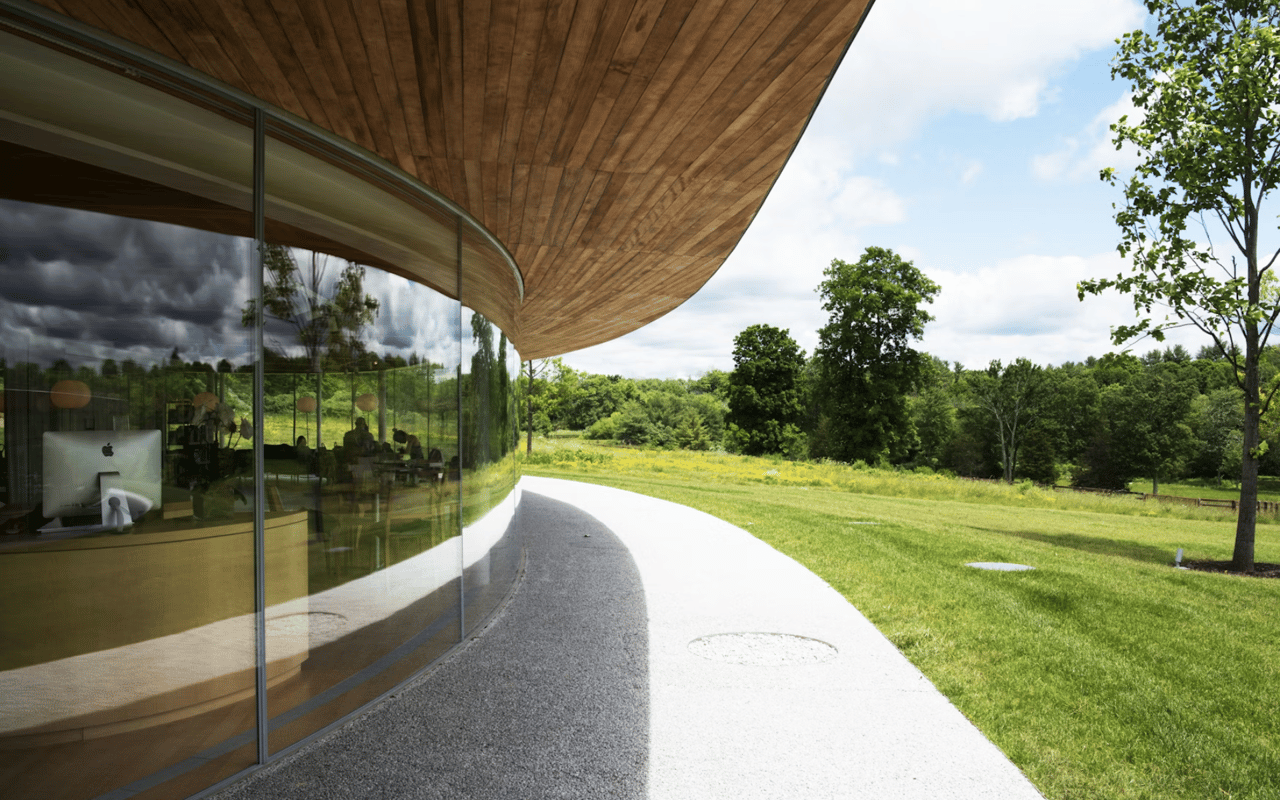
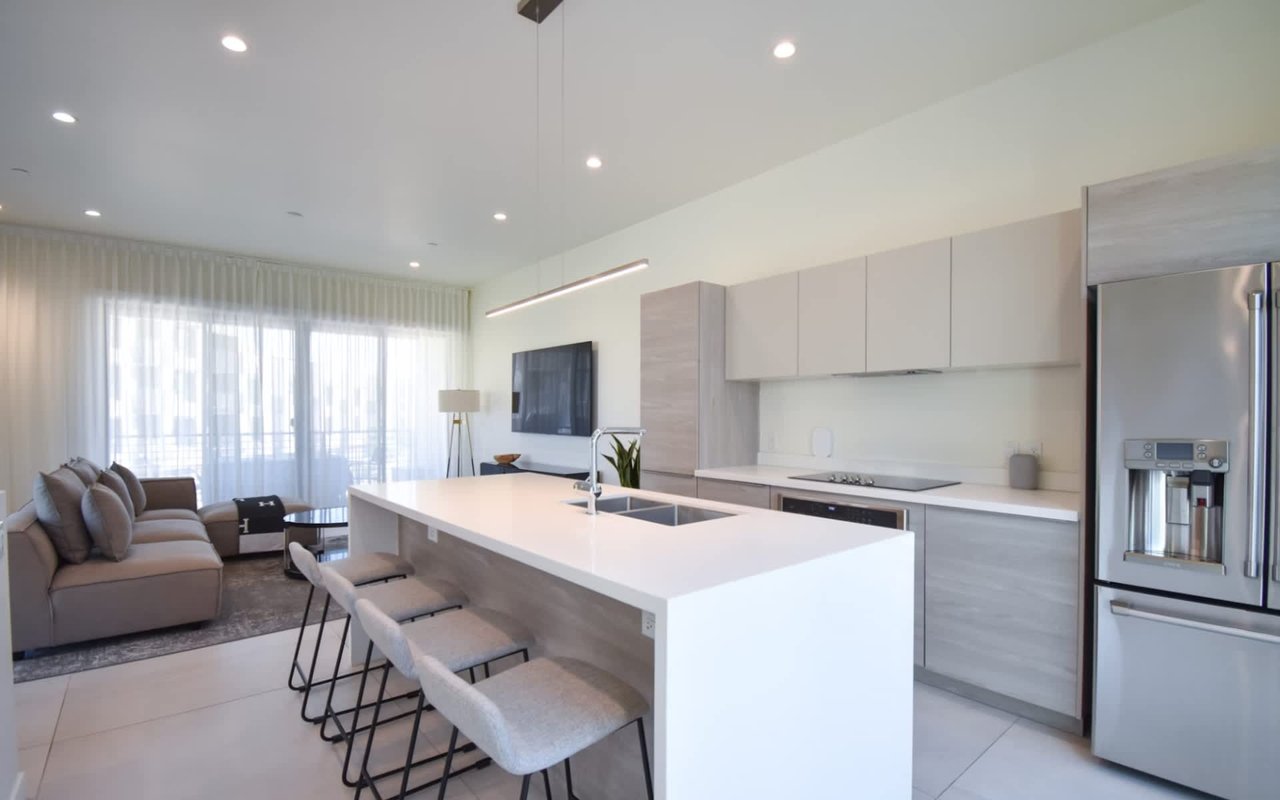
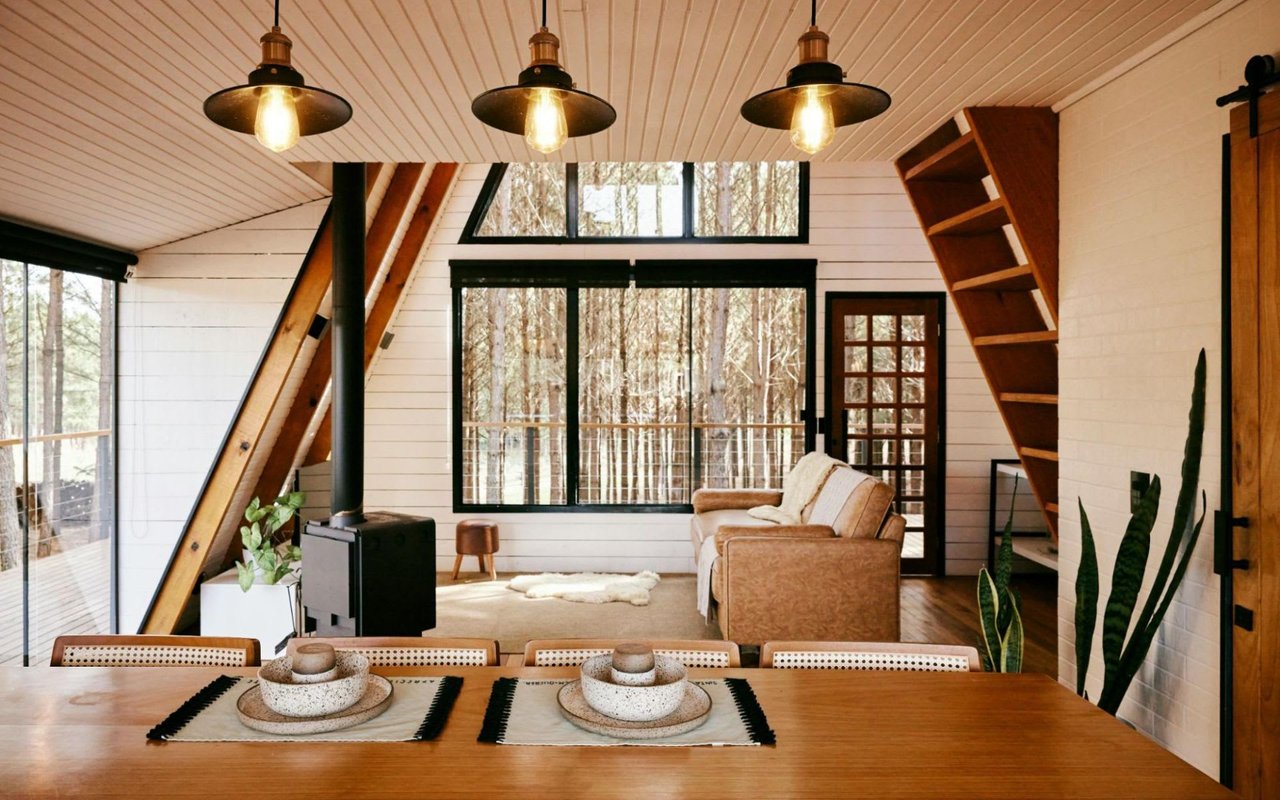
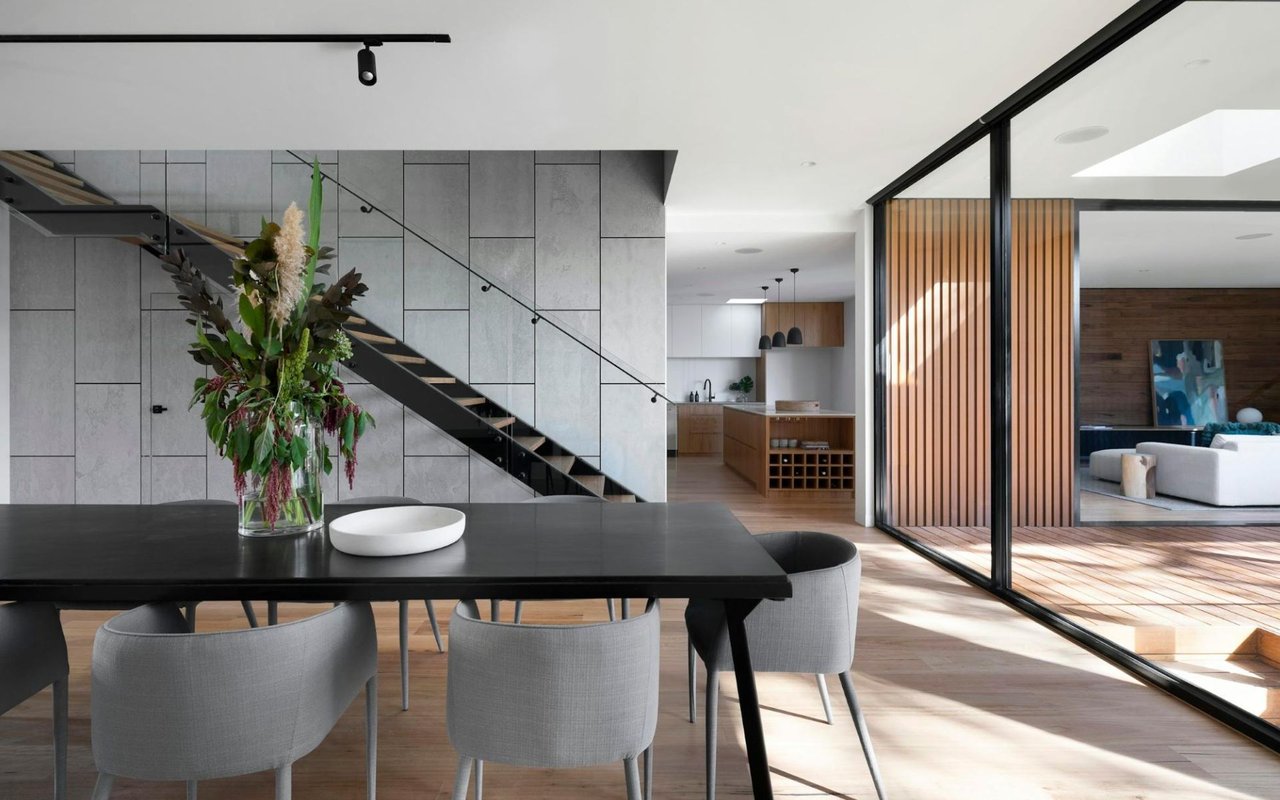
Contemporary and modern homes provide a clear contrast to Greenwich’s historic housing stock. These properties often focus on expansive windows, open sightlines, smooth surfaces, and stronger visual connections between indoor and outdoor space.
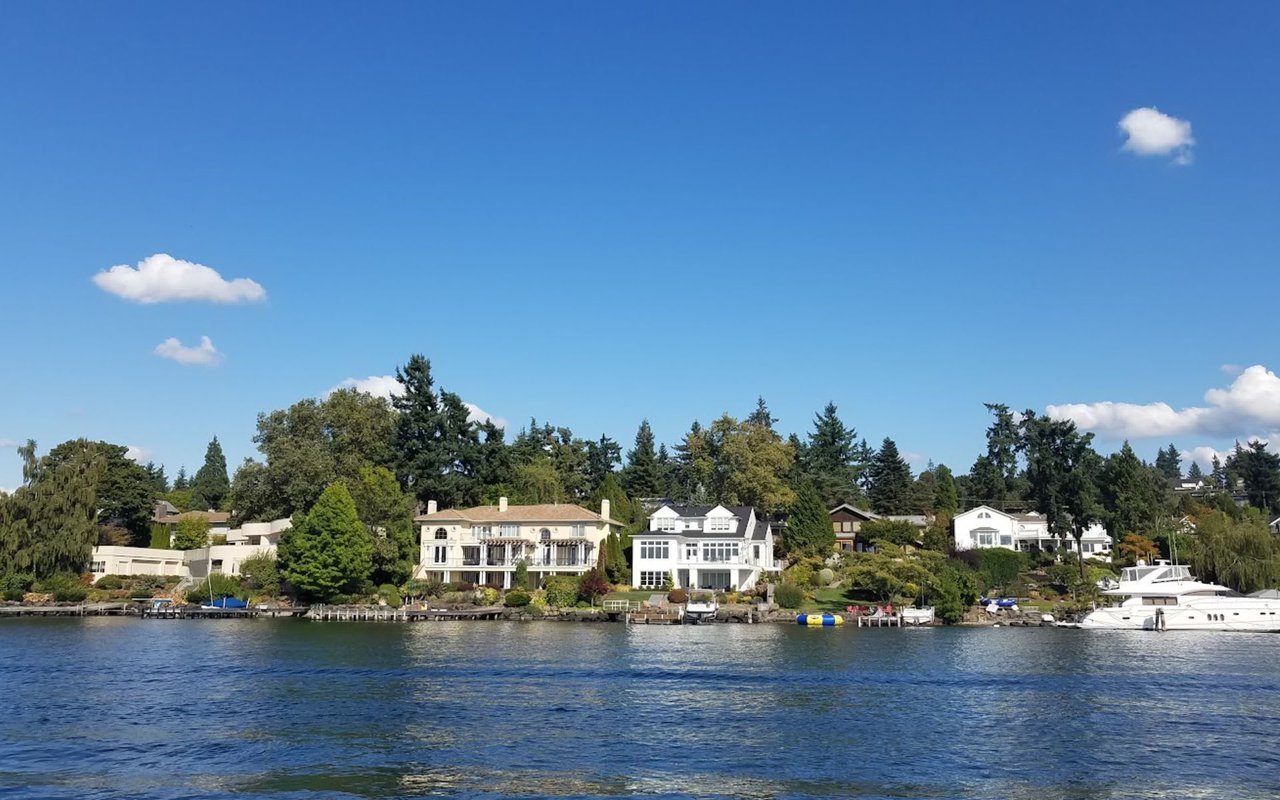
In recent Greenwich luxury coverage, modern homes have been described through features like oversized glass, terraces, balconies, rooftop decks, and water-focused design. On view lots and waterfront parcels, architecture often works to make the setting feel like part of the interior.
How modern style affects daily living
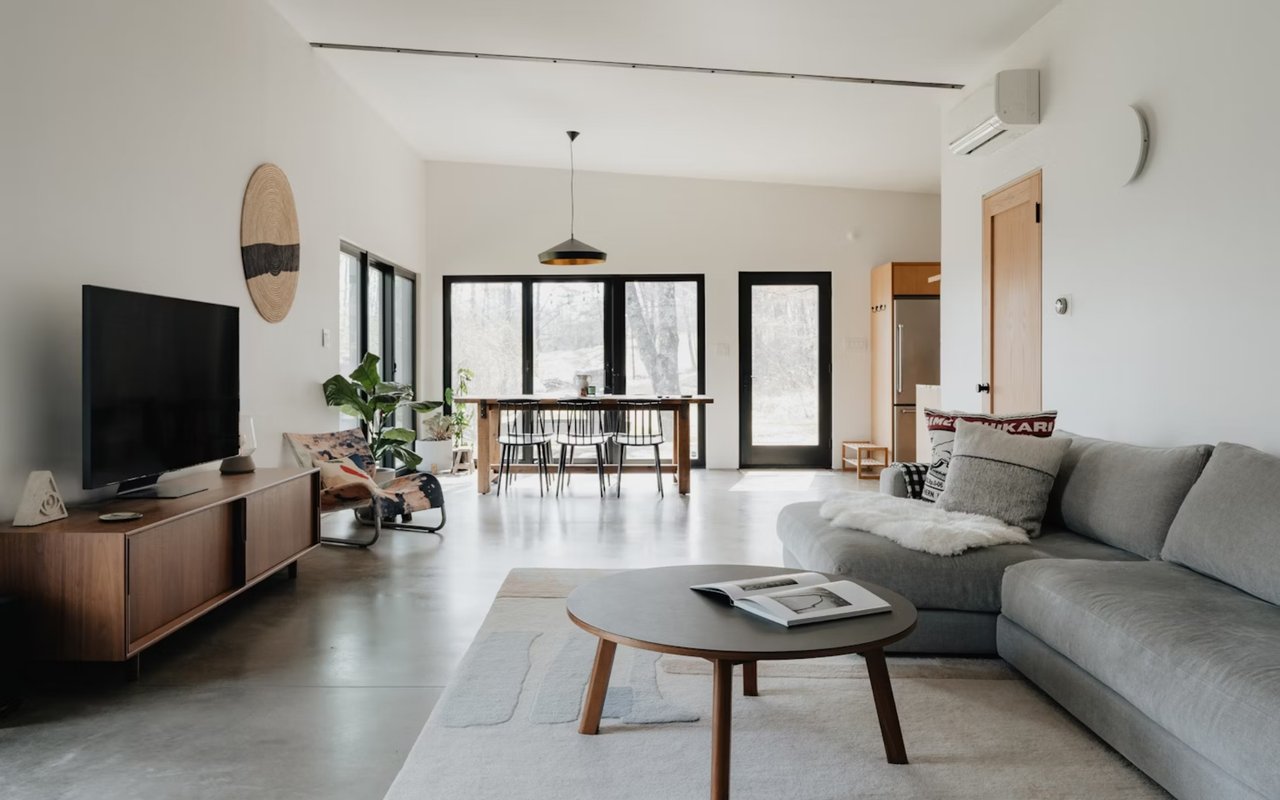
If you prefer light, openness, and clean lines over ornament, contemporary architecture may feel especially compelling. These homes often prioritize entertaining, flexibility, and connection to the landscape.
That can translate into:
- Open floor plans
- Large window walls
- Terrace-centered layouts
- Amenity-rich outdoor spaces
- Smart-home integration
For many buyers, the appeal is simple: the architecture makes the setting feel bigger, brighter, and more immersive.
The rise of modern farmhouse influences
New construction in Greenwich does not always fit one strict category. Local reporting notes that homes labeled colonial can also extend into modern farmhouse forms, blending traditional massing with updated materials and more casual interior flow.
That hybrid approach is part of what makes the local market interesting. You may see a home that reads classic from the street but feels far more contemporary once you walk inside.
Architecture and Renovation Go Hand in Hand
Why designation matters first
Before you plan updates to a Greenwich luxury home, the most important first question is often not design related. It is whether the property has a historic designation that affects the approval process.
The Town of Greenwich states that properties in a Local Historic District, designated as a Local Historic Property, or located in a Historic Overlay Zone are subject to Historic District Commission review. That review is tied to the Certificate of Appropriateness process for exterior work.
What is different about National Register properties
National Register properties are treated differently. According to town guidance, they receive only an advisory opinion rather than the same formal local review required for local historic district and overlay properties.
That distinction can have a major impact on your renovation planning. If you are buying an older luxury home, understanding that status early can save time and help shape realistic expectations.
How luxury renovations often work
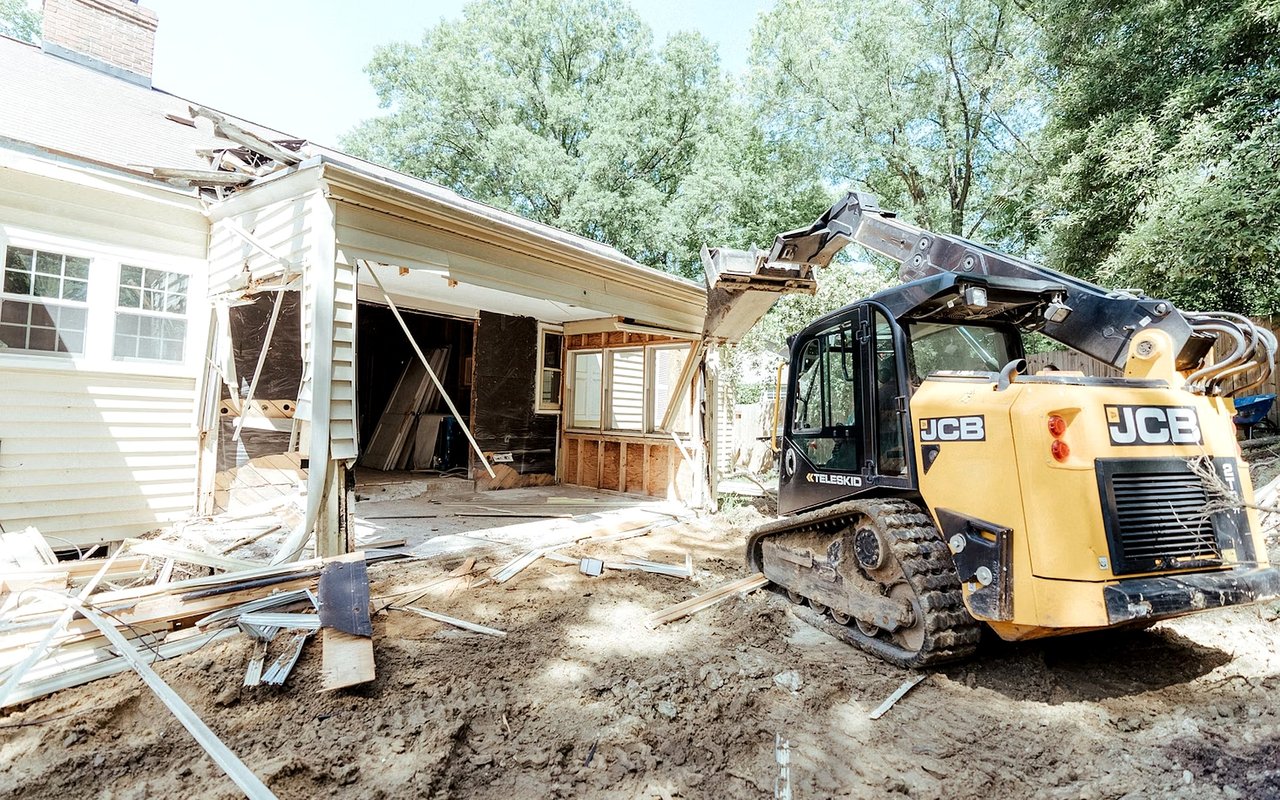
In Greenwich, a common renovation strategy is to preserve the home’s street-facing character while modernizing the interior and rear living spaces. Local examples have included homes reimagined for modern lifestyles, waterfront properties redesigned around terraces and views, and houses updated to meet flood-related compliance requirements.
This is one of the defining strengths of the Greenwich market. You do not always have to choose between classic character and modern function, because many of the area’s most compelling homes successfully combine both.
What Style Means for Buyers and Sellers
If you are buying
Architectural style helps you narrow your priorities faster. A Colonial may offer formal structure and familiar room separation, a Shingle-style home may support a more coastal entertaining lifestyle, and a contemporary home may focus on glass, light, and seamless outdoor living.
When you know how you want to live, style becomes more than visual preference. It becomes a practical filter for your search.
If you are selling
Your home’s architecture can shape the entire marketing strategy. The right positioning can highlight what buyers are really responding to, whether that is symmetry and tradition, waterfront ease, estate character, or modern indoor-outdoor design.
In the luxury market, presentation matters. A well-framed architectural story can help buyers understand not just what your home is, but why it is special.
The Big Takeaway on Greenwich Luxury Homes
Greenwich luxury architecture is best understood as a continuum. Colonials and Colonial Revival homes form the town’s core visual language, Shingle homes express its coastal identity, Tudor and other historic revivals add estate character, and contemporary homes push toward glass, views, and modern living.
For you, the most useful question is not simply, “What style is this home?” A better question is, “How does this style shape the way the home lives, the way it may be updated, and the way it fits my goals?” When you answer that well, you make better real estate decisions.
If you are exploring Greenwich’s luxury market and want thoughtful guidance on how architecture, lifestyle, and long-term value come together, connect with Fatou Niang.
FAQs
What architectural style is most common in Greenwich luxury homes?
- Colonial and Colonial Revival homes make up the majority of inventory in Greenwich, according to local market reporting.
What defines a Colonial Revival home in Greenwich?
- Colonial Revival homes typically feature symmetry, a centered entry, double-hung windows, and classical details such as fanlights, pediments, or porch trim.
Why is Shingle style popular in coastal Greenwich?
- Shingle style suits waterfront living because of its broad porches, complex rooflines, and strong connection to views and outdoor space, and local coverage notes cedar shingles are practical in salt air.
Are contemporary homes common in Greenwich?
- Contemporary homes are becoming more visible in Greenwich, especially on waterfront or view properties where large windows, terraces, and indoor-outdoor living are priorities.
Do historic designations affect Greenwich home renovations?
- Yes. Properties in Local Historic Districts, Local Historic Property designations, or Historic Overlay Zones are subject to Historic District Commission review for exterior changes.
What should buyers check before renovating an older Greenwich luxury home?
- You should confirm the property’s historic designation first, because local review requirements can differ significantly from one property to another.