A standard home inspection in New Canaan, CT typically spans a timeline of 2 to 4 hours to evaluate core structural and mechanical systems. Governed by Connecticut state licensing scope, these evaluations assess roofing, foundations, electrical panels, and HVAC performance across historic estates and mid-century modern properties throughout Fairfield County.
Protect your transactional equity with localized property guidance. Analyze active housing inventories or arrange a comprehensive buying consultation.
Inspection Category | Standard Timeline Parameters | Core Evaluation Targets | Fairfield County Environmental Focus |
|---|---|---|---|
Standard Home Inspection | 2 to 4 Hours | Roof, foundation, structural framework, plumbing, HVAC, electrical | Outdated panels like Federal Pacific or Zinsco across historical builds |
Specialized Testing Modules | Varies by Add-on | Radon gas monitors, septic cameras, chimney scans, well water potability | Underground oil storage tank verifications and soil testing mitigation |
By Fatou Niang
The home inspection is one of the most consequential steps between a signed contract and a closed deal. For buyers navigating this competitive Fairfield County market, understanding what to expect during a home inspection can mean the difference between a confident purchase and a costly surprise. After all, the area’s housing stock ranges from mid-century colonials to recently constructed estates, and each property type comes with its own set of considerations that an inspection is designed to surface. The great news is that a home inspection is not a pass or fail test. It is a detailed, professional evaluation of a property's condition.
Some buyers, especially those purchasing for the first time, walk away from an inspection report feeling overwhelmed by the volume of findings. However, knowing how to read and respond to that report is part of what makes the inspection process manageable.
In New Canaan, where property values are high and buyers often move quickly, having a clear framework for the inspection process will help you feel prepared rather than reactive. This guide covers everything you need to navigate the home inspection process with confidence and focus.
- A home inspection typically takes two to four hours on average and covers the home's major systems and structural components.
- Antiques may present specific considerations, including older electrical panels, original plumbing, and oil heating systems.
- It is always highly recommended for buyers to attend the physical inspection walkthrough in person to understand real-time contexts.
- Inspection findings are not automatically deal-breakers: most items remain entirely negotiable or manageable with proper planning.
- Specialized inspections for radon, well water, and oil tanks are common in Fairfield County and are highly recommended additions.
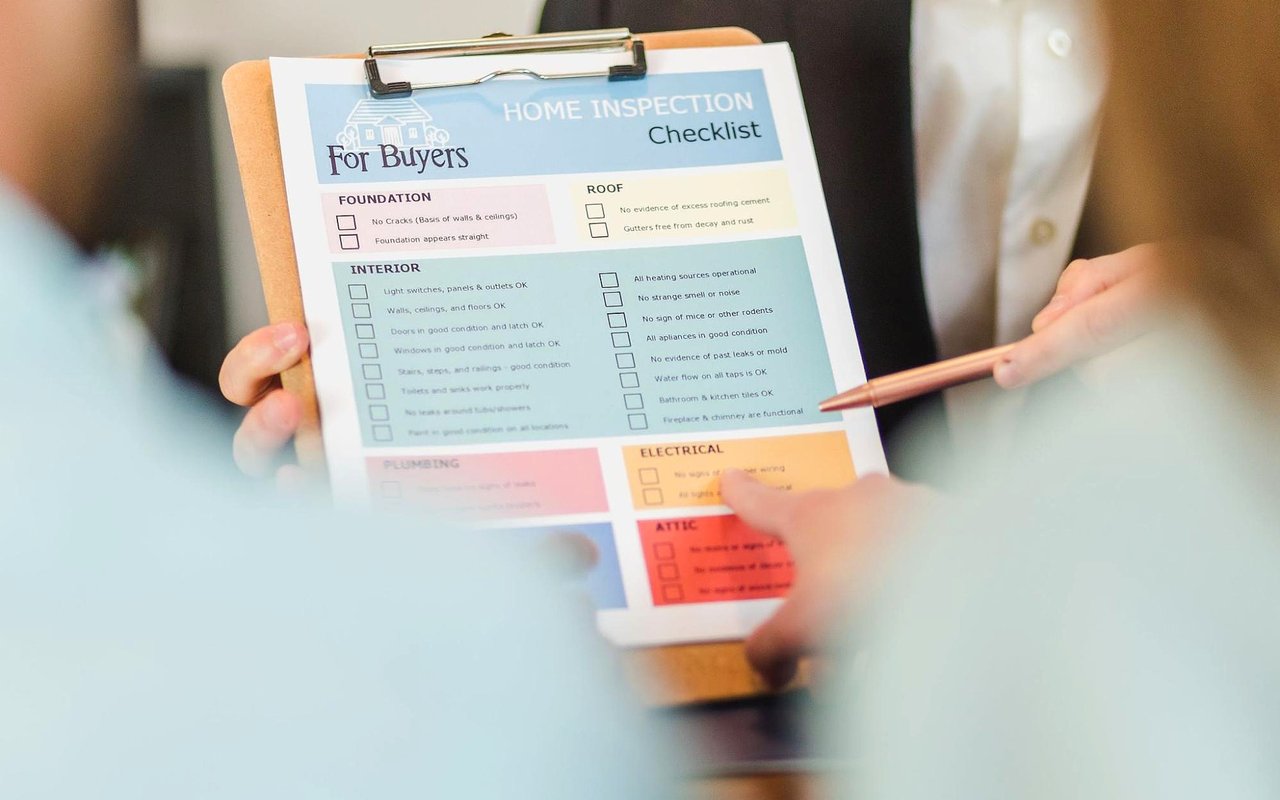
A standard home inspection is a visual evaluation of a property's accessible and observable systems and components. The inspector is not tearing into walls or running diagnostic equipment on every single system: instead, they are assessing what they can see and test during a walkthrough, which typically lasts between two and four hours. The written report that follows is a detailed record of conditions observed on that day.
Inspectors in Connecticut are licensed by the state and follow a defined scope of practice. That scope includes the roof, foundation, exterior, structural components, attic, insulation, plumbing, electrical, heating and cooling systems, interior rooms, windows, and doors. For each area, the inspector notes whether it appears functional, whether the features show any signs of wear or damage, and whether further evaluation by a specialist is recommended.
Buyers are strongly encouraged to attend the inspection in person if possible. Walking through the property with the inspector gives you the opportunity to ask questions, get a real-time explanation of what you are seeing, and develop a more informed sense of how serious any finding actually is. Reading a report in isolation, without the inspector's context, can lead to misinterpretations about urgency and cost.
- Roof condition, including shingles, flashing, gutters, and downspouts.
- Foundation and basement, with careful attention to cracks, water infiltration, and drainage path parameters.
- Attic insulation layers, proper ventilation paths, and any visible indicators of moisture or local pest activity.
- Electrical main panel boards and accessible home wiring configurations, outlining the age and type of functional service.
- Plumbing supply and drain lines, water heater age and condition, and visible interior fixture installations.
- HVAC infrastructure systems, including structural furnace setups, central air conditioning units, and supplemental heating lines.
- Windows, external entry doors, and cladding layers for clear signs of deferred maintenance or weather damage.
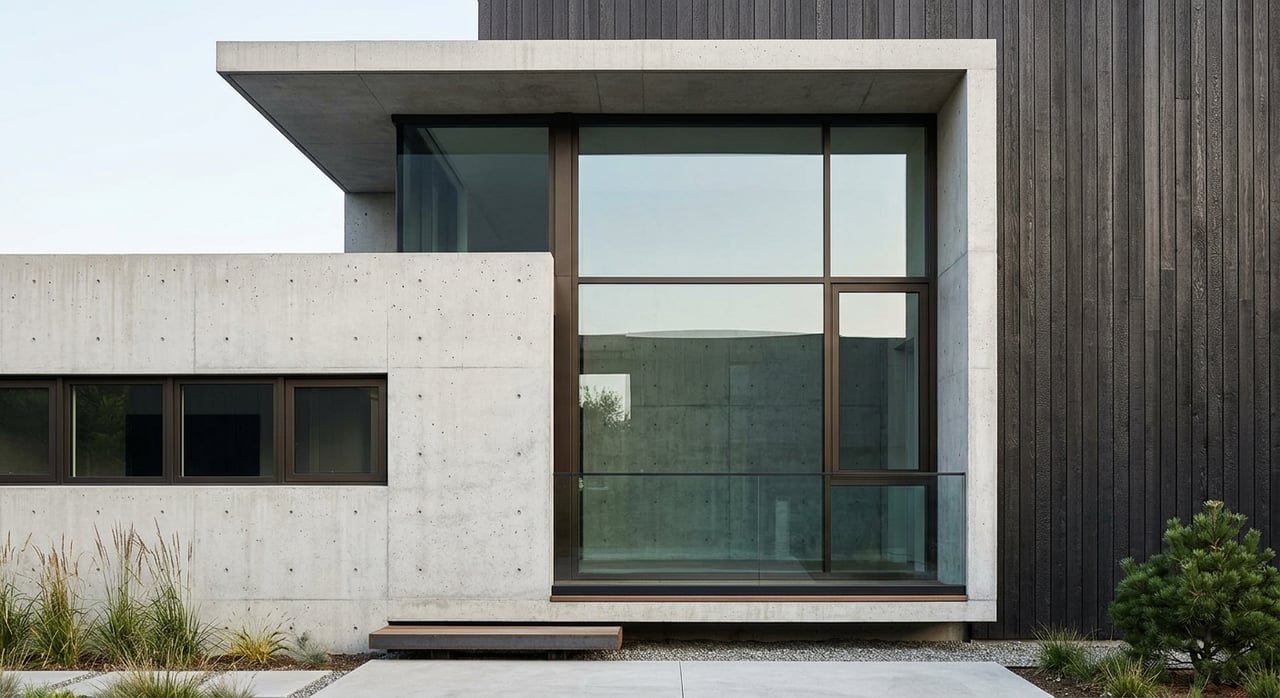
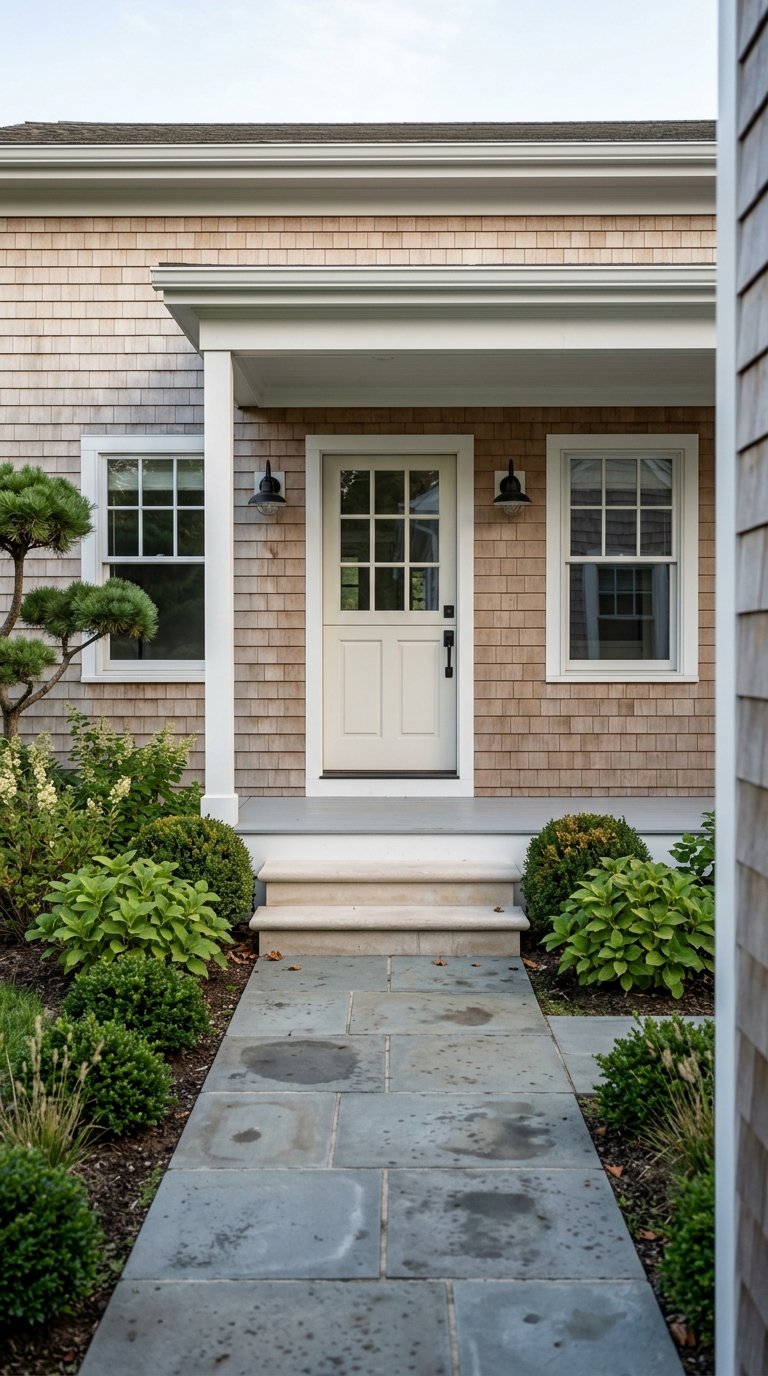
New Canaan's architectural landscape is part of what draws buyers to the town. The mid-century modern homes, designed by Harvard Five architects, are internationally recognized. The traditional colonials and Georgians lining the older neighborhoods have character and endless detail. But older homes, regardless of style or prestige, often carry maintenance histories that a thorough inspection is well-positioned to uncover.
Electrical is a common area of attention in older New Canaan properties. These older homes may have original wiring or panels that were never updated. Federal Pacific and Zinsco panels, once common in this region, are considered outdated and potentially problematic by today's standards. An inspector will flag these for further evaluation by a licensed electrician, and buyers should plan for that follow-up conversation.
Heating systems in Fairfield County frequently run on oil, and older oil tanks buried underground represent a specific liability. If a home has an in-ground oil tank that has been decommissioned or abandoned, buyers will want documentation that it was properly removed and tested. Active in-ground tanks warrant a separate evaluation by an environmental specialist. This is a detail that can have notable financial and legal implications if not addressed before closing.
- Radon gas, which remains common across Connecticut's geology and requires specialized testing kits or continuous monitors.
- Well water quality, evaluated for properties utilizing private wells rather than municipal town water infrastructure.
- Septic systems, required for luxury homes positioned outside of town sewer connection boundaries.
- Underground oil storage tanks, verifying structural compliance for active or decommissioned tank structures.
- Chimney and fireplace structural condition, especially across historic estates containing multiple wood-burning fireplaces.
The goal is not to find a perfect house: the goal is to understand what you are buying. Reports are typically organized by system or location, with photographs accompanying each finding. Items are often categorized by severity, ranging from safety concerns to monitor items that are noted but require no immediate action. Focus your attention on safety issues, structural findings, and anything involving water intrusion. These are the categories most likely to affect the home's livability or long-term value.
After reviewing the report, buyers have the option to request repairs, ask for a price reduction, or negotiate a credit at closing. Not every finding warrants a negotiation. Minor items, deferred maintenance that was reflected in the listing price, and cosmetic issues are generally not worth risking a deal over. Major systems that are at the end of their lifespan, structural concerns, and water damage are typically the items where negotiation makes the most sense.
- Prioritize safety issues flagged by the inspector, including electrical hazards, gas line concerns, or compromised structural elements.
- Consider the structural age and remaining useful lifespan of major home systems, particularly roofing, HVAC, and hot water heaters.
- Request supplementary evaluation from licensed structural specialists for complex items beyond standard inspection limits.
- Separate surface cosmetic elements from core functional defects before introducing requests to the negotiating table.
The home inspection is one of the few moments in a real estate transaction where you get a detailed, unfiltered look at the property you are about to buy. Rather than viewing it as a hurdle, experienced buyers treat it as one of the most valuable tools available to them. It provides the information you need to move forward with clarity, to negotiate from a position of knowledge, and to plan realistically for what homeownership in New Canaan will involve.
If you are ready to begin your home search in New Canaan, I would love to help. Reach out to me, Fatou Niang, and let's make sure you move into your next home with the full picture.
Technically yes, but it is rarely advisable, even in competitive markets. Some buyers in fast-moving markets consider waiving inspection contingencies to strengthen their offers. A better approach, if you want to compete aggressively, is to request a pre-offer inspection if the seller will allow access. This lets you submit a clean offer while still having reviewed the property's condition.
You have several options. You can negotiate with the seller for repairs, a price reduction, or a credit at closing. You can also walk away from the deal if your contract includes an inspection contingency, typically with your deposit returned. The right course of action depends on the severity of the findings, the market conditions, and your own risk tolerance.
Most residential inspections take between two and four hours. Larger or older homes may take longer, particularly if there are multiple systems to evaluate, complex rooflines, finished attics, or outbuildings on the property. Plan to be present for the full inspection and leave time to walk through findings with the inspector at the end.
Let us guide your transaction using verified local structural insight and risk management frameworks.